-

How to apply plant growth regulators to fruits and vegetables
Scientific and rational use of several plant growth regulators can effectively control the growth of fruit trees and vegetables at different stages, improve their quality and yield, and increase economic benefits. 1. Ethephon 1. Physical and chemical properties. The pure product is a white crystalline solid, easily soluble in water and ethanol, poorly soluble in benzene and dichloroethane, and in acidic solution...
-
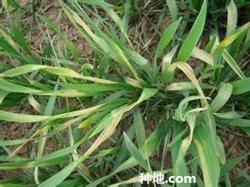
How can herbicide dosage be controlled in a scientific and reasonable way?
What should be done if wheat is damaged by herbicide phytotoxicity? What remedial methods are there? There are many varieties of herbicides for wheat crops, and their physicochemical properties, sites of action, and mechanisms of action differ, so the symptoms of phytotoxicity they cause also differ. Some are manifested inside the plant, some externally, some in the aboveground parts, and some in the underground parts...
-
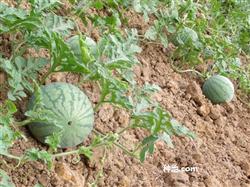
What are the methods for applying herbicides in watermelon fields?
How are herbicides applied to watermelon? What should be noted? To reduce and prevent mistakes in applying chemical herbicides to watermelon, the following issues should be noted in application technique. 1. Correctly select the herbicide. There are many herbicide varieties available for watermelon production, the most commonly used being 48% trifluralin emulsifiable concentrate, 25%...
-
What are the precautions for applying herbicides to watermelon?
What should be noted when applying herbicides to watermelon? In order to reduce and prevent mistakes in applying chemical herbicides to watermelon, the following issues should be noted in application techniques. 1. Correctly select the herbicide. There are many herbicide varieties available for watermelon production, the most commonly used being 48% trifluralin emulsifiable concentrate, 25% nitrofen wettable...
-
What should you do about herbicide damage in rice? Timely remediation is key
What should you do about herbicide damage in cotton? How should it be prevented and controlled? Cotton has many weed species, strong reproductive capacity and severe damage, and is one of the main natural enemies affecting cotton production. The use of chemical herbicides reduces labor, lowers production costs and improves cotton yield and quality. Due to a lack of herbicide use...
-
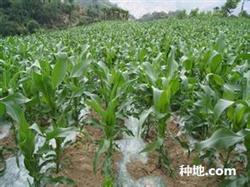
Methods for applying herbicides to wheat to prevent freeze-related herbicide injury
What herbicide is best for corn planting? Corn plants that preferably do not suffer herbicide injury are relatively sensitive to herbicides, so they should be chosen reasonably to avoid herbicide injury. For soil treatment, 40% atrazine-acetochlor aqueous suspension emulsion has high herbicidal activity, a long application period, and is safe for corn and subsequent crops. Before emergence after sowing or after emergence when weeds...
-
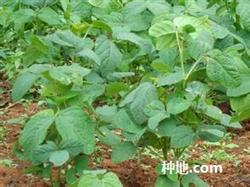
What are the commonly used herbicides in soybean fields?
What herbicides can be used for growing soybeans? How to use them without causing phytotoxicity. Fomesafen (fluoroglycofen-ethyl) is a herbicide for controlling broadleaf weeds with a relatively broad weed-killing spectrum. After application, contact phytotoxic spots will appear on soybean leaves; this is normal and has no obvious effect on soybean growth, and newly grown leaves will show no phytotoxicity. Value...
-
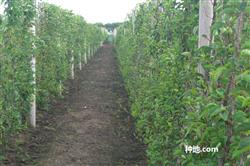
How to correctly use herbicides in forest nurseries?
Can herbicides be used when growing Schisandra chinensis? Will they cause phytotoxicity? 1. Soil residual phytotoxicity 1. Symptoms. In the middle of the growth period, the leaves wilt, and in the morning and evening the leaves recover and become upright, the plant becomes stunted and stops growing, similar to drought, and the root system develops slowly. 2. Causes. The phytotoxicity of triazine, sulfonylurea, imidazolinone, etc....
-
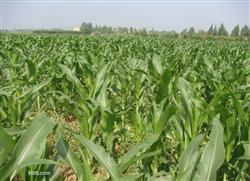
Causes of Herbicide Phytotoxicity and How to Prevent It
How can you improve the effectiveness of herbicides applied in corn fields? Farmer friends should carefully choose good herbicide varieties and correctly master the timing and method of application to improve herbicide effectiveness: 1. Timing of use: apply herbicides after harvesting wheat and irrigating the field, because high soil moisture allows the efficacy to fully...
-
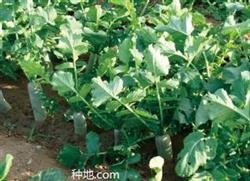
How to Correctly Use Herbicides When Planting Autumn Radishes
How should herbicides be used for planting autumn radishes? What are the application methods? When planting radishes in autumn, the amount of weeds in the field is relatively large, so in production, herbicides can be selected according to actual conditions for chemical weed control. For pre-sowing soil treatment, you can choose 48% trifluralin emulsifiable concentrate 100-150 ml (dosage per mu, same below...
条件筛选