-
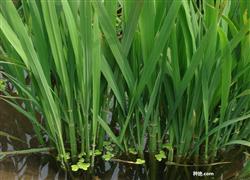
What is the best time for chemical weed control in rice fields?
When should chemical weed control be carried out in rice fields? Please explain. Weeds in paddy fields have a major impact on rice growth. They compete with rice for fertilizer, water and light, directly affecting rice growth and, in severe cases, causing yield reductions. Therefore, doing a good job of chemical weed control in paddy fields is very important for promoting normal rice growth. Entering June, rice in Dali City has...
-
What are the common mistakes in pesticide use?
Which pesticides are prohibited for vegetables? Please introduce the pesticides prohibited for vegetables (including highly toxic pesticides or mixtures containing highly toxic pesticides): methamidophos, acephate, carbofuran, 3911, 1605, suhua 203, methyl 1605, 1059, dimehypo, monocrotophos, phosphamidon, isophosphamide, trithion, omethoate, zinc phosphide, cyan...
-
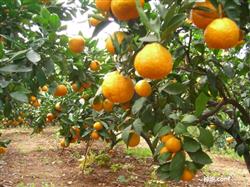
Which pesticides cannot be used on fruit trees?
Which pesticides cannot be used on fruit trees? Please refer to the following introduction on pesticides unsuitable for fruit trees: Phosphamidon: avoid on peach trees. Dichlone: avoid on all fruit trees. Dichlorvos: prohibited on stone fruit trees. Dimethoate, omethoate: peach and pear are sensitive to solutions diluted less than 1500 times, so test before use...
-
What precautions should be taken when dressing seeds with powder-form pesticides?
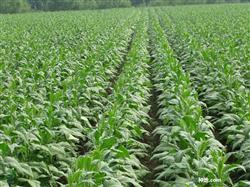
How should herbicides be used on tobacco? Please provide guidance. Tobacco has small seeds and slow-growing seedlings, and is often harmed by weeds. The main weeds include: green foxtail, Chinese sprangletop, early barnyardgrass, goosegrass, shortawn foxtail, cocklebur, flatsedge, cleavers, chickweed, plantain, dandelion, and others. Weed control in tobacco fields...
-
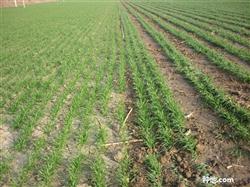
Correct use of herbicides after wheat emerges
How should herbicides be used after wheat emerges? Please provide guidance. Summarize the experience of chemical weeding in wheat fields across different regions. Different chemical herbicides should be selected according to different wheat seedling conditions and wheat subsequent crops. The following herbicides can be selected: Maiji quizalofop-p-ethyl, namely 15% quizalofop-p-ethyl wettable powder, mainly controls various grass...
-
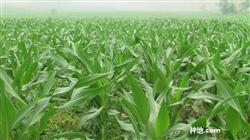
How to correctly use herbicides on corn in summer?
How should herbicides be used on corn in summer? Please provide guidance. The growth period of summer corn is from June to September, which coincides with the high-temperature and rainy season, favoring the occurrence and damage of field weeds. Once the proper control period is missed, it is very easy for weeds to run wild, seriously affecting corn growth. Chemical weeding is an important measure for controlling weed damage in corn fields and increasing corn yield...
-
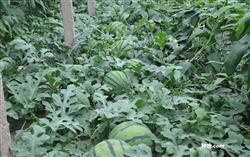
A Detailed Guide to the Correct Use of Herbicides in Watermelon Fields
How should herbicides be used correctly in watermelon fields? Please note the following points when using herbicides in watermelon fields: 1. Choose the right herbicide. There are many herbicide varieties available for watermelon production, and the most commonly used ones include 48% trifluralin emulsifiable concentrate, 25% nitrofen wettable powder, 33% pendimethalin emulsifiable concentrate, 48% butralin emulsifiable concentrate...
-
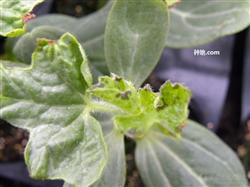
What are the symptoms of herbicide damage in watermelon seedlings?
What does herbicide damage in watermelon seedlings look like? Please explain the symptoms of herbicide damage in watermelon: the seedling leaves turn dull gray, the leaf surface is uneven with bumps and wrinkles and feels stiff, the vines are thin and the leaves become smaller, and plant growth is inhibited. The cause of the damage is that a "broadleaf-killing herbicide" sprayed on neighboring plots spreads through the wind. Even...
-
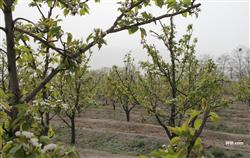
Can glyphosate be used to control weeds in peach, pear, and plum orchards?
Can glyphosate be used to control weeds in peach, pear, and plum orchards? Please advise and explain. Glyphosate is a low-toxicity, broad-spectrum, non-selective herbicide, widely used for weed control in orchards of cash crops such as fruit orchards, tea plantations, and mulberry plantations, as well as for weed control in no-till fields, along roads, in grassland renovation, and on forest firebreaks, and it has been widely used around the world...
-
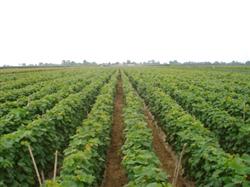
What are the methods for using herbicides on aquatic vegetables?
How can grapes be protected from herbicide damage? Please advise. According to surveys, the harm to grapes from herbicides is also becoming increasingly serious, especially for varieties that sprout and unfold leaves early, such as Vitis amurensis (Amur grape), which suffer particularly severe damage. The leaves of affected plants look as if they have been scalded with boiling water. Later they dry up and fall off, and the clusters also show varying degrees of wilting; in severe cases the berries...
条件筛选