-
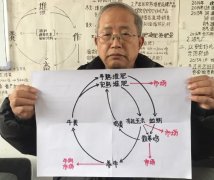
Five Ways to Turn Household Waste into Farm Compost
Everyone knows kitchen scraps are easily transformed into plant food through the alchemy of composting. Less known are all the other items you can divert from your household waste stream and use in the garden. Stale beer = bait On the morning after the party, no
-
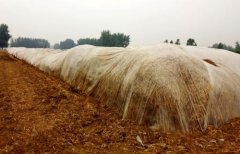
Want to make your own organic fertilizer? First, understand what compost is and its benefits
Organic compost. Composting is an ancient technique that requires no precise calculations or advanced skills. With just a little effort, you can both solve the environmental problem of waste and improve soil fertility, making it well worth adopting. Let's take a look together below. Farm compost
-
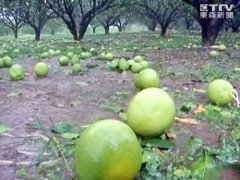
How to Make Compost from Fallen Pomelo Fruit? A Detailed Guide to Production and Use
Production and Use of Compost from Fallen Pomelo Fruit. In the Hualien area, the transition between summer and autumn is often hit by typhoons, and July and August coincide with the ripening period of pomelo fruit, which frequently causes enormous losses for fruit growers. Large quantities of fallen pomelo fruit have a huge impact on the environmental hygiene of orchards; they not only
-
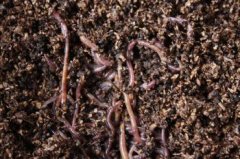
Vermicomposting: Turning Kitchen Waste into Fertilizer
Research and development of vermicomposting: How do you handle your household kitchen waste? If you always throw it away, that is actually a waste. Below we will teach you how to use kitchen waste to make valuable fertilizer. Kitchen waste is produced by every household every day
-
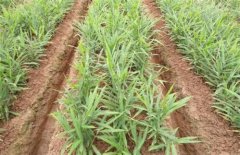
How to Build Soil Fertility? Main Sources of Crop Nutrients and Key Points of Fertility Management
Fertility management: To achieve the goal of sustainable agricultural production, so that nature cycles endlessly and life continues without cease. This is the ecological balance we need to achieve. The main significance of fertility management in sustainable agriculture lies in using natural substances that do not consume energy to supply crop nutrients
-
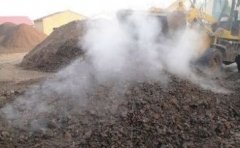
What Is Microbial Fertilizer? A Complete Guide to Its Uses and Benefits
What exactly is microbial fertilizer? The most essential and most striking feature of microbial fertilizer is that it is a living, life-bearing fertilizer. How is it formed? Let's take a look below. 1. What Is Microbial Fertilizer Microbial fertilizer refers to
-
What Is Microbial Fertilizer? A Complete Guide to Its Uses and Benefits
What exactly is microbial fertilizer? The most essential and most distinctive feature of microbial fertilizer is that it is a living, life-containing fertilizer. How is it formed? Let's take a look below. 1. What Is Microbial Fertilizer Microbial fertilizer refers to
-

What are the raw materials for organic fertilizer? Farm-made organic fertilizer vs. commercial organic fertilizer
In what ways do farm-made organic fertilizer and commercial organic fertilizer differ? Because organic materials differ in composition and in the nutrients they release upon decomposition, their application requires attention to the advantages and disadvantages of each organic material, making up for shortcomings by drawing on strengths, and making the most appropriate blending and application, which will achieve twice the result with half the effort
-
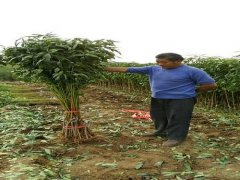
What is organic matter in fertilizer, and what types are there?
Do you know the selection and application techniques of organic matter fertilizers? If not, then take a look at this article and learn about it. This way you can fertilize crops better. Choose according to soil conditions. You can send soil samples to an improvement station to analyze the soil's organic matter.
-

The Benefits and Uses of Compost Explained in Detail
What benefits does applying compost have? Do you know? The nutrient source for organic crops, under the principle that chemical fertilizers must not be used, depends entirely on the use of compost. As for the nutrient content of compost, aside from itself containing a small amount of readily available inorganic nutrients, most
条件筛选