-
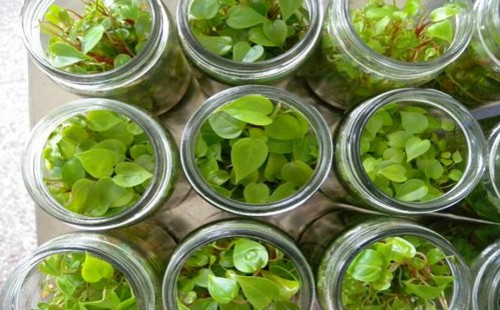
How to quickly propagate Anthurium? A detailed guide to tissue culture techniques
There are quite a few ways to propagate Anthurium potted seedlings. You can grow seedlings not only through conventional methods such as sowing, cuttings and division, but even through tissue culture. And the tissue culture propagation process for Anthurium can be carried out with the help of glass bottles through a root-free method, and the propagation efficiency is very high, with fast propagation speed
-
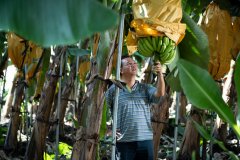
Fighting Banana Yellow Leaf Disease: Taiwan, China Pioneers Tissue-Cultured Plantlets with Tai Chiao No. 1, Banana Farmers Figure Out the Logic from the Soil
Banana's incurable disease, yellow leaf disease, has taken root in Taiwan, China for more than 50 years. Taiwan, China's leader in banana research, the Taiwan Banana Research Institute, has repeatedly set world precedents, developing tissue-cultured banana plantlets and multiple disease-resistant banana varieties and earning international fame, while professional banana farmers have developed a set of soil-improvement,
-
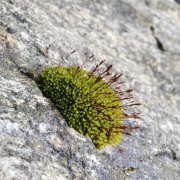
Does wall moss have leaves? A detailed explanation of its living environment, reproduction method and conducting tissue
Wall moss is a bryophyte, belonging to the family Pottiaceae among bryophytes, and is a clump-forming plant, mainly growing on soil under forests or on rocks at an altitude of about 1200 m. This moss is also very widely distributed; in China its main distribution areas are Xinjiang, the northern and southern
-
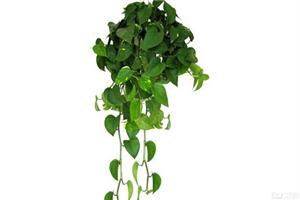
Introduction to the Prices of Tissue-Culture Pothos Seedlings and Daily Care Methods
Tissue-Culture Pothos Seedling Prices: How to Care for Pothos Normally
-

Detailed Explanation of Key Points of Rhododendron Tissue Culture Technology
Rhododendron is an evergreen or deciduous small shrub of the genus Rhododendron in the family Ericaceae, characterized by many varieties, early flowering, rich flower colors, and a long flowering period. In recent years, due to the development of cutting propagation technology, China's rhododendron production has increased. However, precious varieties still cannot meet social demand due to few mother plants and a low propagation coefficient. Tissue culture is precisely an effective measure for achieving factory-scale seedling production of rhododendrons. A brief introduction is given below: 1. Basic technical steps of rhododendron tissue culture. In rhododendron tissue culture, the explants usually used are stem tips, stem
-
Asexual Propagation and Seedling Cultivation Method for Schisandra chinensis: A Detailed Explanation of Tissue Culture Technology
As an emerging technology and research tool, plant tissue culture is flourishing in all fields of plant science and has been widely applied in production sectors such as agriculture, forestry, horticulture, and Chinese herbal medicine, demonstrating enormous advantages. It provides large numbers of seedlings in a short time to meet production needs. As a means of asexual propagation, tissue culture can propagate 60,000 shoots from 1 apple bud in 8 months, 1 million seedlings from 1 poplar axillary bud in 1 year, and 500,000 seedlings from 1 Schisandra chinensis bud in 1 year, thus
-
Detailed Explanation of Rhododendron Tissue Culture and Cultivation Management Techniques
As a high-grade ornamental flower, rhododendron is not easy to propagate and grow in North China. This is mainly because most of the soil in North China is alkaline, while rhododendrons prefer typical acidic soil, thus making propagation and planting somewhat difficult, and they can only be grown as greenhouse flowers. Rhododendron propagation methods include seed sowing, cuttings, layering and grafting, and tissue culture. Tissue culture does not require seeds; it only needs the stem tips of the current year's branches of the rhododendron. In a very short time, a large number of small rhododendron seedlings can be cultured in test tubes, and it is not restricted by season.
-
Detailed Explanation of Shoot-Tip Tissue Culture Technology for Chinese Cymbidium
The new shoot growth period of Chinese cymbidium coincides with the hot, humid, rainy season in the south, when miscellaneous fungi proliferate rampantly, and the soil and media are especially severely contaminated with fungi. The potting medium used for inoculation sampling should carry as few miscellaneous fungi as possible, receive no organic fertilizer, and be placed in a light-transmitting, rain-sheltered location; when the new shoots first emerge, let the young shoots be exposed above the surface. Take new shoots 6-13 cm long, cut them high from the base of the plant, use a scraper to remove roots, debris and 2-3 outer sheath leaves; after thorough washing, cut the material again to 2-3 cm in length, and sterilize in a 10% hypochlorous acid solution for 10 minutes. If contamination
-
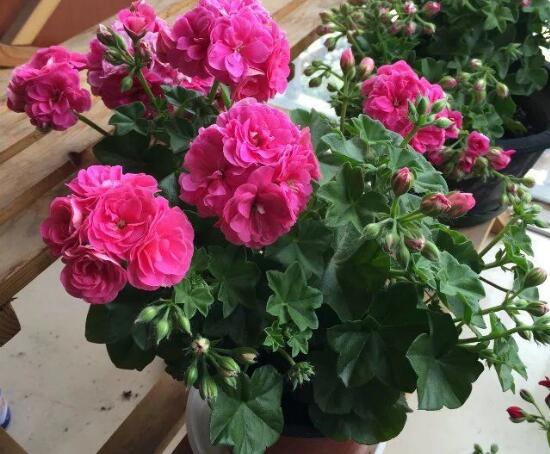
Geranium propagation methods include cuttings, seed sowing, and tissue culture.
Geranium is a highly ornamental plant, and it can be seen in many gardens in our country; its blooming period is also its most beautiful moment. Of course, wanting it to produce beautiful flowers has a lot to do with the propagation process. Regarding how geraniums are propagated
-
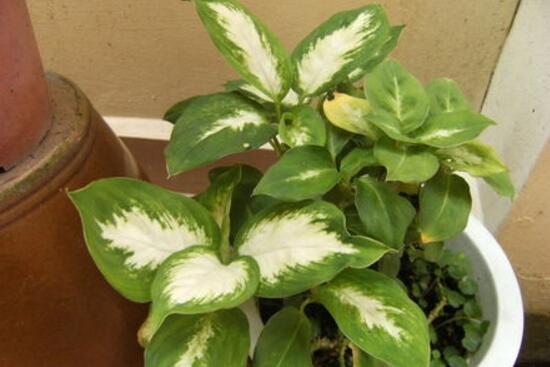
Propagation methods for Dieffenbachia: tissue culture can also succeed
Dieffenbachia has broad, beautiful leaves and is easy to keep alive. It is often used to accent living rooms, studies and other places, and is one of the most popular indoor potted plants. In daily life, many people keep a Dieffenbachia at home; some buy ready-made potted plants, while others propagate them themselves. So how do you propagate Dieffenbachia?
条件筛选