-

Key Technical Points and Detailed Operation Methods of Flower Tissue Culture
Flower Tissue Culture Techniques
-
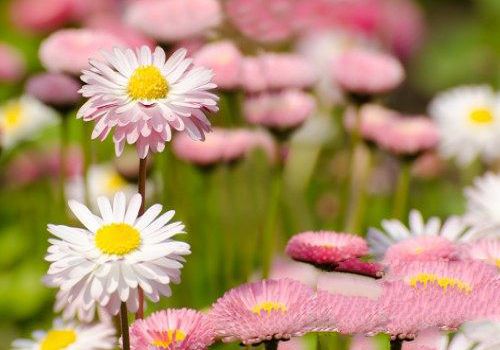
How can fresh-keeping in flower tissue culture be done well?
How can fresh-keeping in flower tissue culture be done well
-
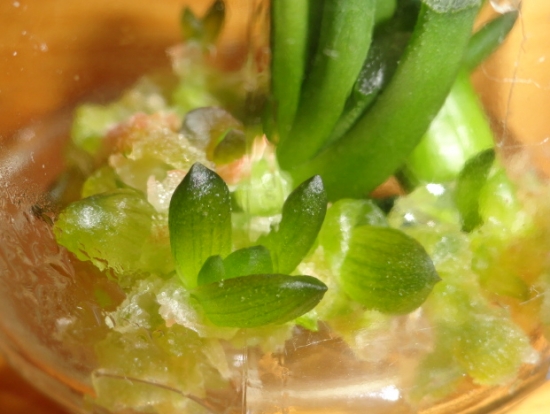
What Does Succulent Tissue Culture Mean? A Detailed Explanation
Succulent tissue culture refers to the process of using a certain part of a succulent plant to obtain new plants (cloned plants) through asexual vegetative propagation, also known as plant cloning.
-
Does wall moss have leaves? A detailed explanation of its living environment, reproduction method and conducting tissue
Wall moss is a bryophyte, belonging to the family Pottiaceae among bryophytes, and is a clump-forming plant, mainly growing on soil under forests or on rocks at an altitude of about 1200 m. This moss is also very widely distributed; in China its main distribution areas are Xinjiang, the northern and southern
-
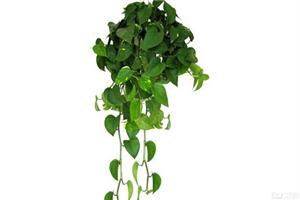
Introduction to the Prices of Tissue-Culture Pothos Seedlings and Daily Care Methods
Tissue-Culture Pothos Seedling Prices: How to Care for Pothos Normally
-
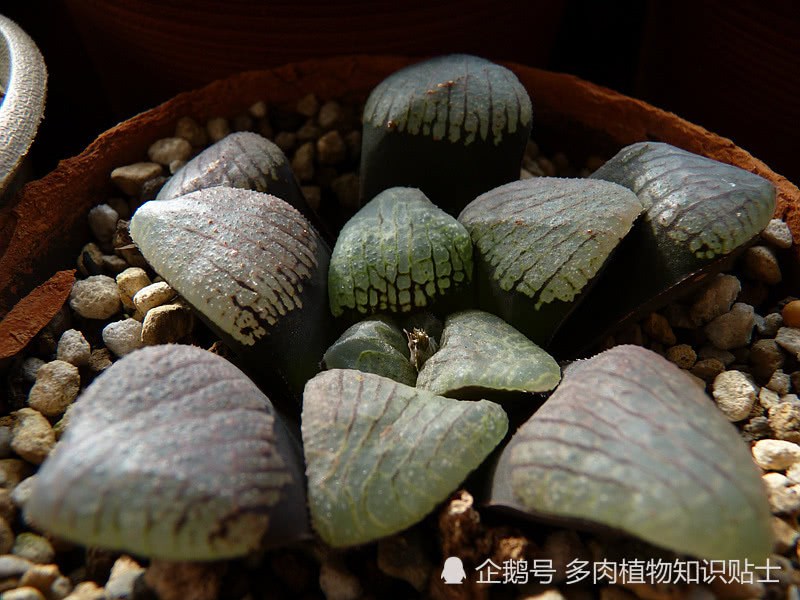
Haworthia tissue culture tips for beginners, a must-read for succulent newbies
I've been in the Haworthia rabbit hole for two years now, and I've grown quite a few varieties myself, some tissue-cultured, some not. I come to the forum every day, and from time to time I see posts analysing whether tissue culture is good or bad! I keep mulling over this question too. On the plus side, it lets everyone have Haworthias to play with; on the minus side, it disrupts the market order. (Thanks to jpw214 for the material)
-
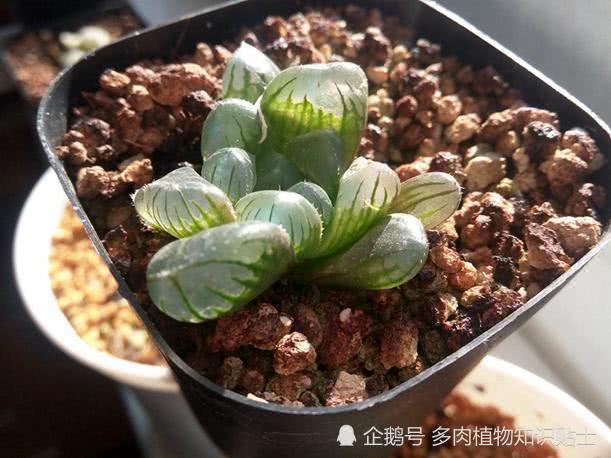
Talking about the care of tissue-cultured seedlings: a succulent newbie's care experience
Let me also discuss tissue-cultured seedlings. Tissue-cultured seedlings are now more and more common, seen everywhere. Generally they are Haworthia (especially the 'Dewy' and 'Mammoth' types), so why are Haworthia more common than others? Everyone knows the reason...
-
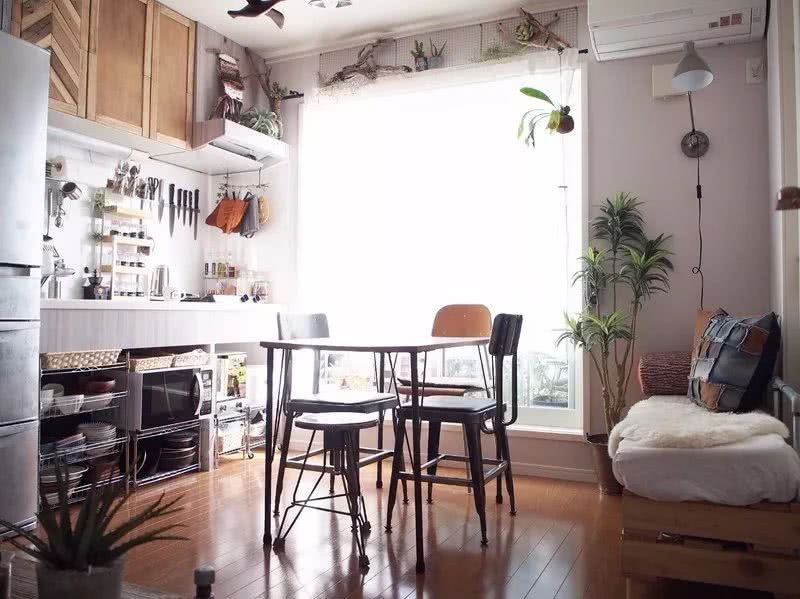
Snacks expiring again, and nowhere to put the tissues? This is how a Japanese housewife organizes to save money
In a small city, a house still comes with a storage room. But after fox moved to Beijing and rented, forget a storage room, even fitting a storage cabinet on the balcony is no easy feat. The moment you're halfway through a meal and realize you're out of tissues, you have to tear the place apart. via rkmama45 in Japan...
-
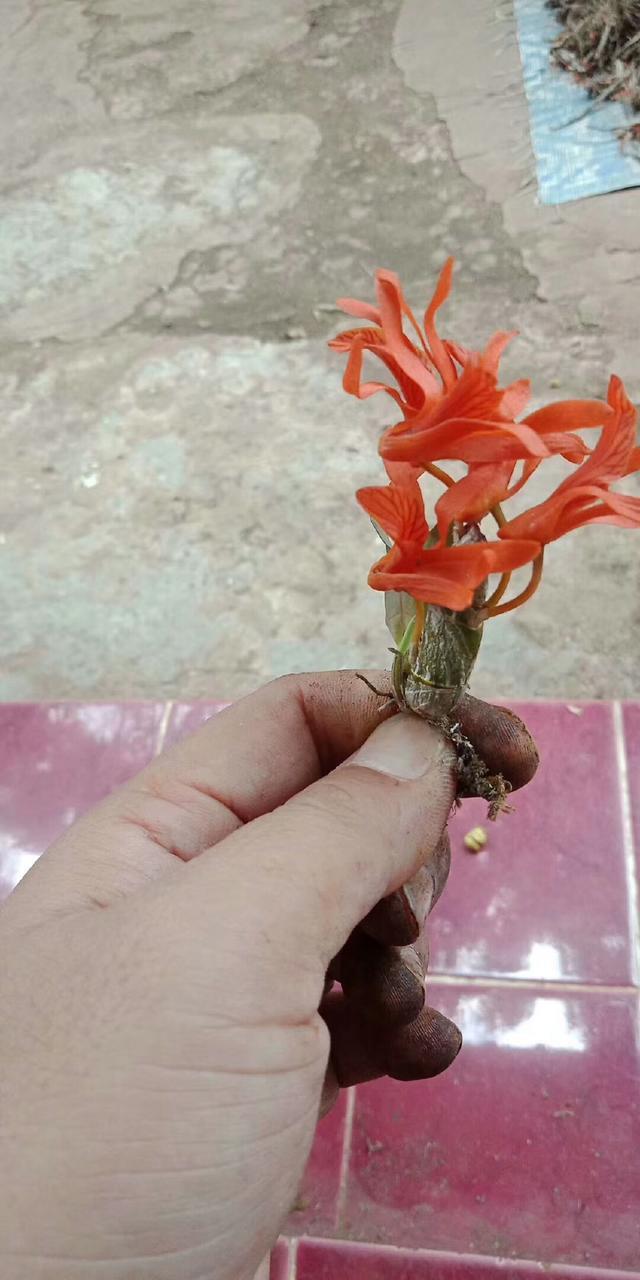
Methods for Tissue Culture of Dendrobium officinale and Selection of Cultivation Sites and Facilities
Selection of Tissue Culture, Cultivation Sites and Facilities for Dendrobium officinale I. Tissue Culture Techniques for Dendrobium officinale The seeds of Dendrobium officinale are affected by various factors during germination. If these factors cannot be effectively controlled, they will change the germination rate of Dendrobium officinale seeds, thereby affecting the yield and quality of Dendrobium officinale. After studying the relationship between seed age and germination, some scholars found that when using tissue culture techniques for germination, seeds with a seed age of 2-6 months were selected for separate cultivation. Among them, seeds with greater seed age showed obvious advantages in cultivation operations: the greater the seed age, the shorter the time required for germination and the higher the germination rate. It can be seen that when carrying out tissue culture, seeds with greater seed age should be preferentially selected for cultivation. In addition, adding appropriate NAA, IAA and IBA hormones to the culture medium promotes root growth in test-tube seedling cultivation. Therefore, during tissue culture, in order to increase the root growth rate of seedlings, hormones can be appropriately added to the culture medium according to actual cultivation conditions, thereby achieving the purpose of increasing income and yield.
-
Detailed Explanation of Medicinal Resources and Tissue Culture Rapid Propagation Technology of Bletilla striata
Medicinal Resources and Tissue Culture Rapid Propagation Technology of Bletilla striata. After tuber propagation, Bletilla striata is susceptible to infection by pests, diseases, and viruses carried by seed tubers, resulting in degeneration phenomena such as weak growth, severe pests and diseases, and reduced yield. Bletilla striata seeds are numerous and their propagation does not transmit...
条件筛选