-
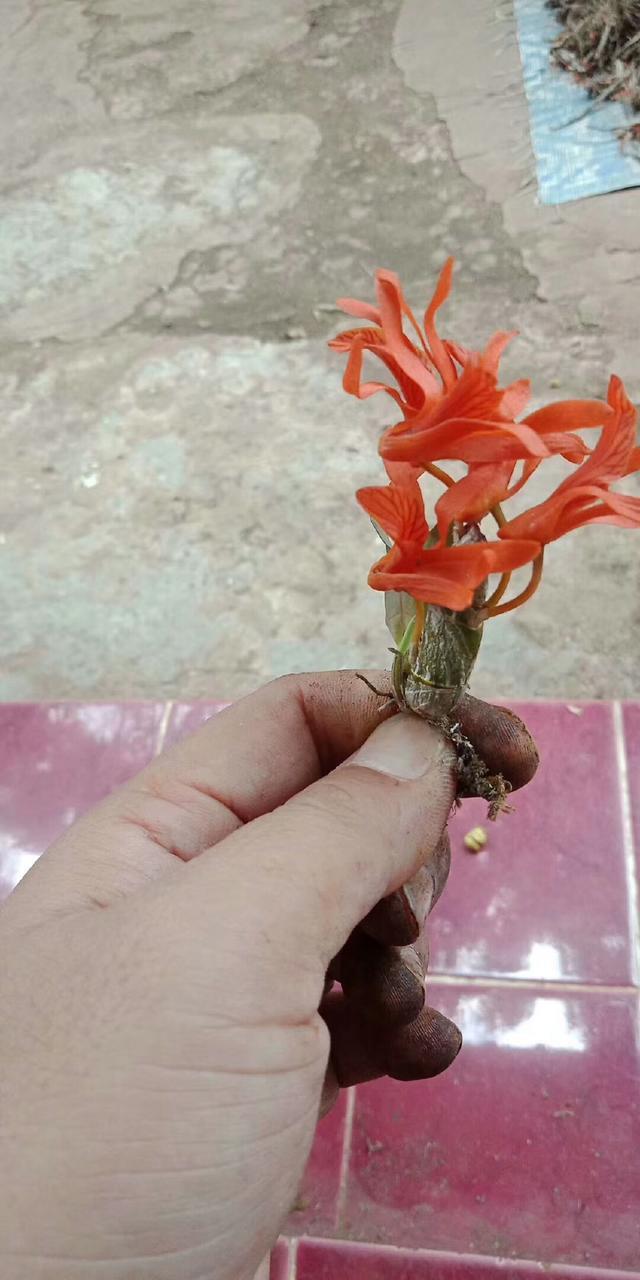
Methods for Tissue Culture of Dendrobium officinale and Selection of Cultivation Sites and Facilities
Selection of Tissue Culture, Cultivation Sites and Facilities for Dendrobium officinale I. Tissue Culture Techniques for Dendrobium officinale The seeds of Dendrobium officinale are affected by various factors during germination. If these factors cannot be effectively controlled, they will change the germination rate of Dendrobium officinale seeds, thereby affecting the yield and quality of Dendrobium officinale. After studying the relationship between seed age and germination, some scholars found that when using tissue culture techniques for germination, seeds with a seed age of 2-6 months were selected for separate cultivation. Among them, seeds with greater seed age showed obvious advantages in cultivation operations: the greater the seed age, the shorter the time required for germination and the higher the germination rate. It can be seen that when carrying out tissue culture, seeds with greater seed age should be preferentially selected for cultivation. In addition, adding appropriate NAA, IAA and IBA hormones to the culture medium promotes root growth in test-tube seedling cultivation. Therefore, during tissue culture, in order to increase the root growth rate of seedlings, hormones can be appropriately added to the culture medium according to actual cultivation conditions, thereby achieving the purpose of increasing income and yield.
-
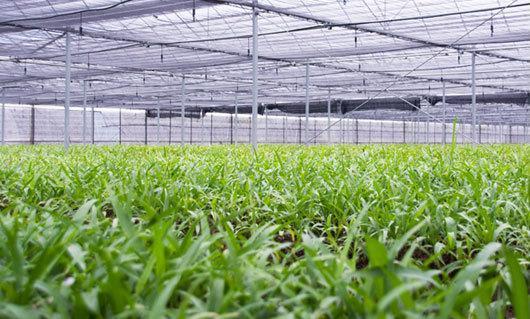
Detailed Explanation of Medicinal Resources and Tissue Culture Rapid Propagation Technology of Bletilla striata
Medicinal Resources and Tissue Culture Rapid Propagation Technology of Bletilla striata. After tuber propagation, Bletilla striata is susceptible to infection by pests, diseases, and viruses carried by seed tubers, resulting in degeneration phenomena such as weak growth, severe pests and diseases, and reduced yield. Bletilla striata seeds are numerous and their propagation does not transmit...
-
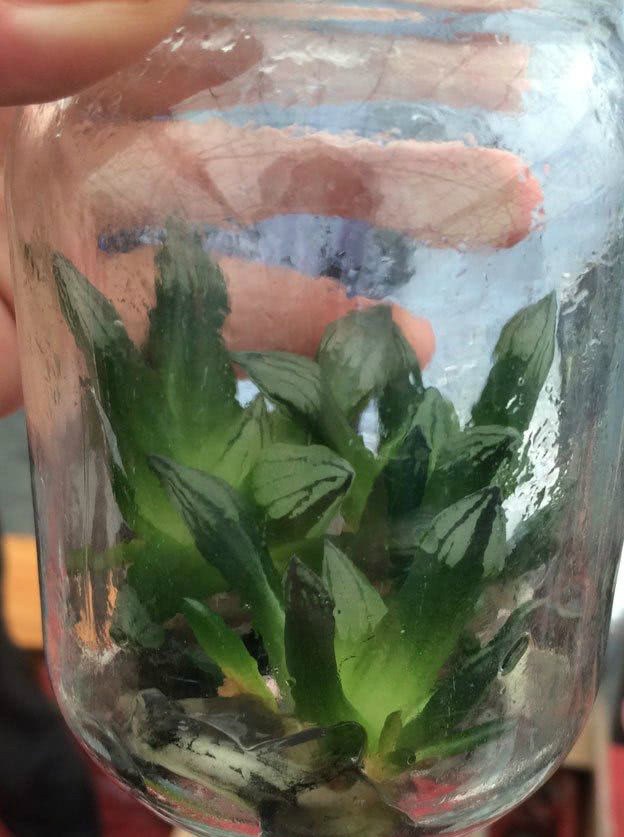
Nearly a year's growth record of watermelon Haworthia tissue-culture bottle seedlings, witnessing the transformation journey of Haworthia
Thanks to Nissan for the material. Location: Hangzhou. I saw watermelon bottle seedlings at a succulent show and loved them so much. After haggling with the vendor for ages, 200 got me a double-headed seedling of my choice. Once home, I restarted the rooting process. It was my first time trying to root one, and I was really worried it wouldn't survive...
-
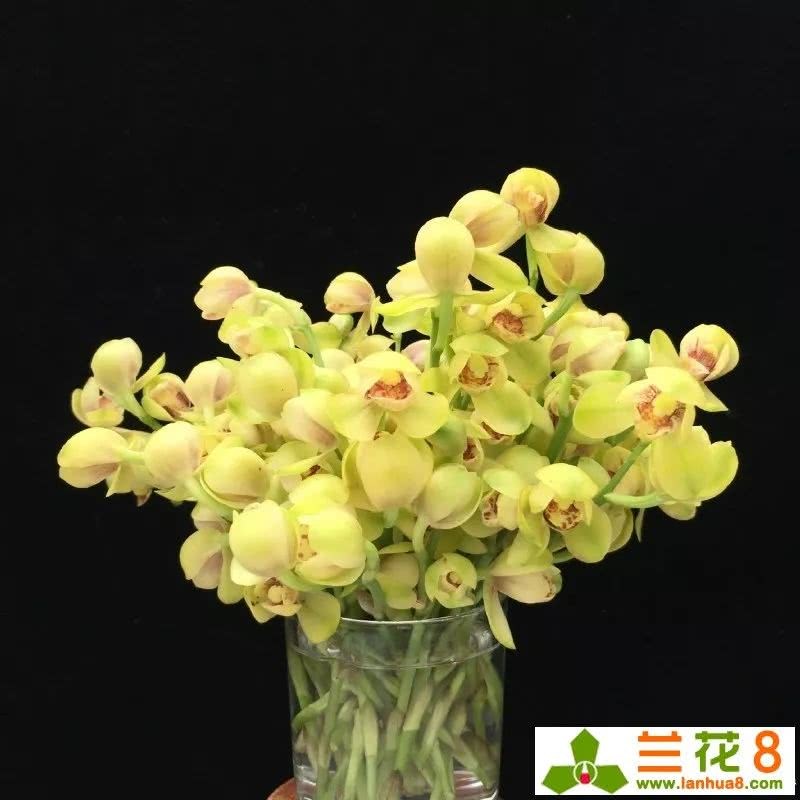
Analysis and Reflections on the Current State of the Chinese Orchid Tissue Culture Seedling Market
Promote Chinese orchid culture, spread orchid knowledge. Reports of initial success in Chinese orchid tissue culture in our country first appeared in the 1980s. Since then, some non-batch Chinese orchid tissue culture seedlings have gradually come onto the market, while stable batch supply of tissue culture seedlings...
-
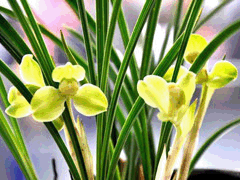
Detailed Explanation of Tissue Culture and Soilless Cultivation Techniques for Phalaenopsis
Tissue Culture and Soilless Cultivation of Phalaenopsis
-
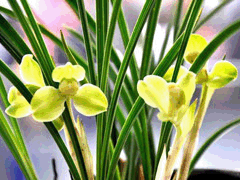
What conditions and equipment are needed for plant tissue culture?
Conditions and Equipment for Plant Tissue Culture
-
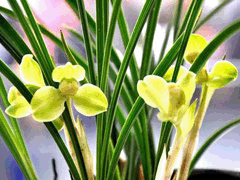
Detailed Explanation of Key Points of Orchid Tissue Culture Rapid Propagation Technology
Overview of Orchid Tissue Culture Rapid Propagation Technology
-
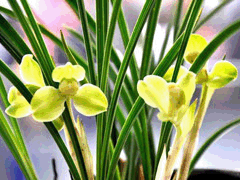
The secret formula for growing tissue-cultured orchids and rejuvenating weak seedlings fully revealed
Revealing the "secret formula" for growing tissue-cultured orchids and rejuvenating weak seedlings
-
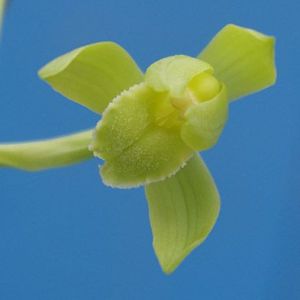
Orchid Cultivation and Tissue Culture Technology Video Tutorial
Huisi has good form and upright flower shape
-
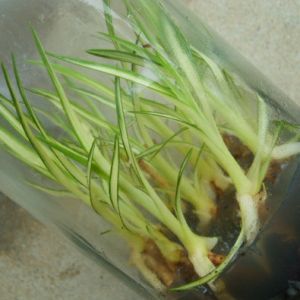
What are the reasons tissue-cultured orchid plantlets are not good
Besides being difficult to grow, tissue-cultured orchid plantlets also have a low survival rate. The low survival rate is related to the special propagation method used for tissue-cultured plantlets: the heavy use of hormones and chemical nutrients leaves the orchid plantlets in poor physical condition, frail and unable to withstand the slightest stress, and poorly adapted to the growing environment after being taken out of the flask, so they tend to sulk, neither dying nor thriving. If they are genuine tissue-cultured orchids, the flowers they produce should be the same as before, unless the wrong goods were sent. In short, tissue-cultured plantlets in the weak-plantlet stage are generally not suitable for growing at home, because these tissue-cultured plantlets themselves have low dry-matter content, poor disease resistance, a low survival rate in home cultivation, and a long cultivation cycle; many unscrupulous traders often pass off ordinary varieties as rare varieties to make money, because tissue-cultured plantlets make it hard to distinguish the characteristics of each variety (they look basically the same); if you want to introduce rare orchid tissue-cultured plantlets, it is advisable to do so at agricultural and forestry research institutes that carry out orchid tissue culture, where quality and variety are guaranteed.
条件筛选