-

What do old orchid varieties, new varieties, original species, re-imported varieties, and tissue-cultured seedlings mean?
Baomuzhaizhu First, it is something we often see: sellers add the two words "old variety" before the variety name. It should be pointed out here that this is a huge deception. The so-called "old variety" has, as parallel terms, "new old variety," "new variety," or "newly collected flower." "Old variety" is not a word describing origin; it...
-

Snacks expiring again, and nowhere to put the tissues? This is how a Japanese housewife organizes to save money
In a small city, a house still comes with a storage room. But after fox moved to Beijing and rented, forget a storage room, even fitting a storage cabinet on the balcony is no easy feat. The moment you're halfway through a meal and realize you're out of tissues, you have to tear the place apart. via rkmama45 in Japan...
-
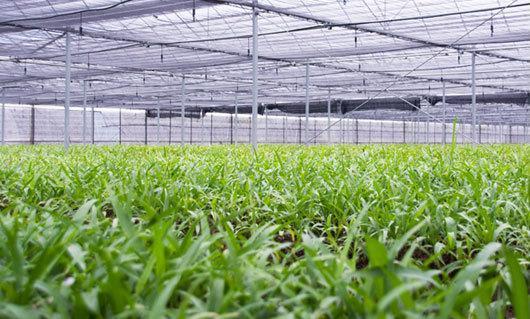
Detailed Explanation of Medicinal Resources and Tissue Culture Rapid Propagation Technology of Bletilla striata
Medicinal Resources and Tissue Culture Rapid Propagation Technology of Bletilla striata. After tuber propagation, Bletilla striata is susceptible to infection by pests, diseases, and viruses carried by seed tubers, resulting in degeneration phenomena such as weak growth, severe pests and diseases, and reduced yield. Bletilla striata seeds are numerous and their propagation does not transmit...
-
Key Technical Points and Detailed Operation Methods of Flower Tissue Culture
Flower Tissue Culture Techniques
-
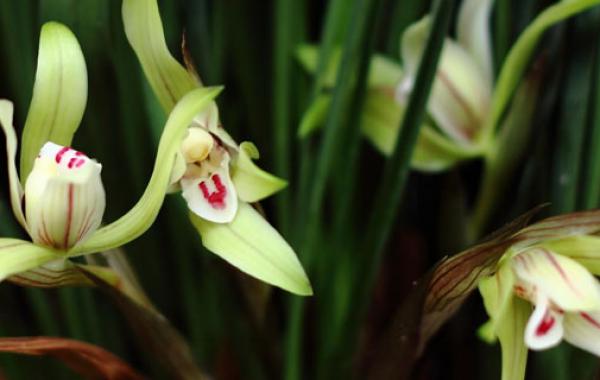
What is the difference between tissue-cultured orchid seedlings and wild seedlings?
The difference between tissue-cultured orchid seedlings and wild seedlings
-
How can fresh-keeping in flower tissue culture be done well?
How can fresh-keeping in flower tissue culture be done well
-
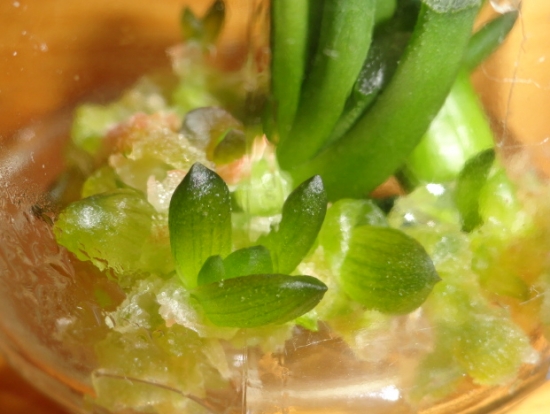
What Does Succulent Tissue Culture Mean? A Detailed Explanation
Succulent tissue culture refers to the process of using a certain part of a succulent plant to obtain new plants (cloned plants) through asexual vegetative propagation, also known as plant cloning.
-
Detailed Explanation of Key Points of Rhododendron Tissue Culture Technology
Rhododendron is an evergreen or deciduous small shrub of the genus Rhododendron in the family Ericaceae, characterized by many varieties, early flowering, rich flower colors, and a long flowering period. In recent years, due to the development of cutting propagation technology, China's rhododendron production has increased. However, precious varieties still cannot meet social demand due to few mother plants and a low propagation coefficient. Tissue culture is precisely an effective measure for achieving factory-scale seedling production of rhododendrons. A brief introduction is given below: 1. Basic technical steps of rhododendron tissue culture. In rhododendron tissue culture, the explants usually used are stem tips, stem
-

Fund Project: Technical Regulations for Micrografting of Rose Tissue-Cultured Seedlings
Fund Project: This study was supported by the National Natural Science Foundation of China (No. 31272208, 31772352); and the Special Project on National Science and Technology Basic Resources Investigation (No. 2017FY100100)
-
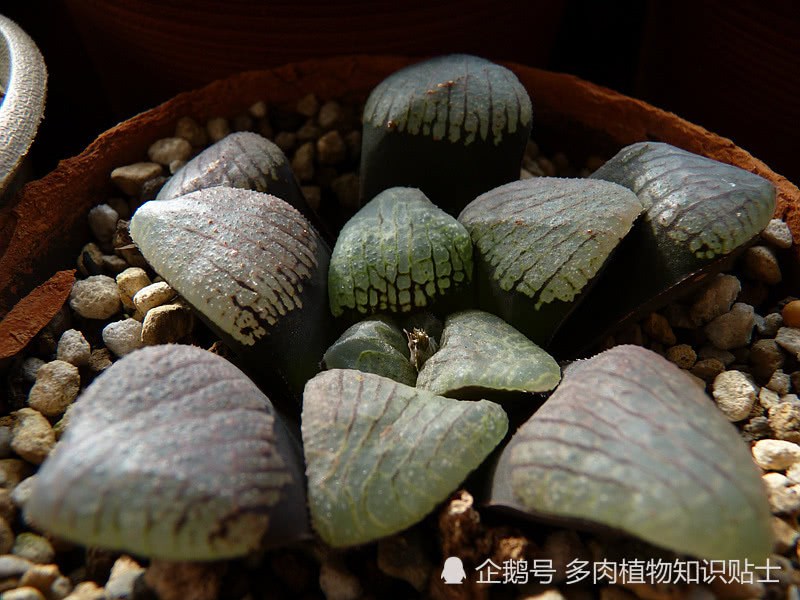
Haworthia tissue culture tips for beginners, a must-read for succulent newbies
I've been in the Haworthia rabbit hole for two years now, and I've grown quite a few varieties myself, some tissue-cultured, some not. I come to the forum every day, and from time to time I see posts analysing whether tissue culture is good or bad! I keep mulling over this question too. On the plus side, it lets everyone have Haworthias to play with; on the minus side, it disrupts the market order. (Thanks to jpw214 for the material)
条件筛选