-
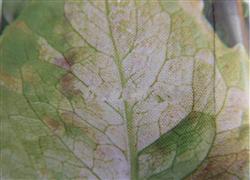
Detailed Explanation of Key Techniques for Open-Field Lettuce Cultivation
1. Disease symptoms: Both seedlings and mature plants can be affected, with mature plants suffering more severely, mainly damaging the leaves. Diseased leaves spread from the lower part of the plant upward. Initially, pale yellow nearly round to polygonal lesions appear on the leaves. When humid, white mold, which is the pathogen's sporangiophores and sporangia, grows on the lesions on the underside of the leaves, sometimes spreading to the upper surface of the leaves. In the later stages...
-
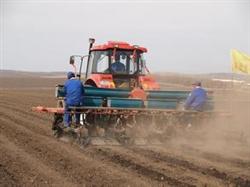
Detailed Explanation of Spring Soybean Cultivation Techniques and Management Points
I. Precipitation and temperature conditions from last winter to this spring. In the autumn and winter of last year, the northeast region suffered severe drought, with precipitation lower than normal and insufficient soil moisture. From January to October 2007, the average precipitation in Heilongjiang Province was 402 mm, 20% less than the same period in previous years. In addition, the widespread "dry sealing of the soil" at the onset of winter this year is not conducive to soil moisture retention...
-
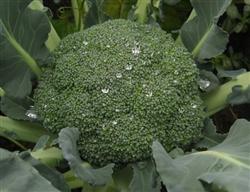
Key Techniques for Open-Field Cultivation of Broccoli in Spring
When broccoli is grown in open fields in spring, its growth and development take place in a season of gradually rising temperatures and increasingly severe pests and diseases. However, in cultivation, as long as the following five key techniques are mastered, high yield and high efficiency can be achieved while also meeting market demand. 1. Sow at the right time. For open-field cauliflower cultivation in spring, varieties with strong disease resistance and tolerance to high temperatures...
-
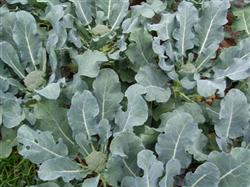
Five key techniques for open-field cultivation of broccoli in spring
When broccoli for export is grown in open fields in spring, its growth and development take place in a season of gradually rising temperatures and increasingly severe pests and diseases. In cultivation, as long as the five key points are handled well, high yields and high efficiency can be achieved, and the requirements of foreign buyers can also be met. 1. Sowing at the right time. For spring open-field broccoli, varieties with strong resistance, tolerance to high temperatures, and tight, uniform heads can be used, such as Hei Lu and Dongjing Lu...
-
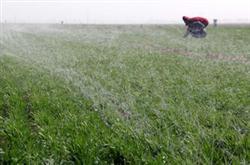
Spring lodging prevention in wheat: these management techniques you need to master
Water and fertilize well at the standing-up and jointing stages. Applying nitrogen fertilizer during the standing-up and jointing stages of wheat can both significantly increase protein content and is a key period for raising wheat yield. Therefore, the standing-up and jointing fertilizer and water should be applied according to local conditions. Wheat grain yield and protein content depend to a large extent on the nitrogen supply level during the development period. At every 66... ⟧3⟧ 1. Spraying paclobutrazol: At the standing-up stage of wheat, spray 30 kg of 200 ppm paclobutrazol solution per mu. This can dwarf the plants, enhance lodging resistance, and also control wheat powdery mildew and improve the plant's absorption and utilization rate of nitrogen.
-
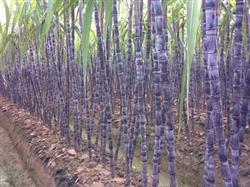
Detailed Explanation of Key Cultivation Techniques for Fruit Sugarcane
I. Variety Selection Currently, the fruit sugarcane varieties planted in Yuanjiang County are Crisp Red Cane and Foreign Red Cane. According to the results of a variety comparison trial conducted in 2000 at Daming'an, Crisp Red Cane is significantly superior to Foreign Red Cane in stem diameter, single-stem weight, internode length, powdery coating, eating quality, as well as in yield per unit area and marketable rate. Therefore...
-
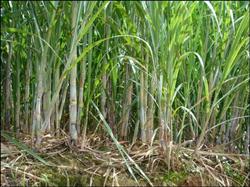
Key Points of Scientific Fertilization Techniques for Sugarcane Cultivation
Sugarcane enters the elongation stage from the time jointing begins and the average stem elongation exceeds 3 cm per ten-day period until elongation basically stops. This is also the golden season for rapid sugarcane jointing and growth, and doing a good job of field management is the key to a bumper harvest. Therefore, the following measures must be carried out well: 1. Apply heavy stem-promoting fertilizer. The sugarcane elongation stage is the period for developing large roots and...
-
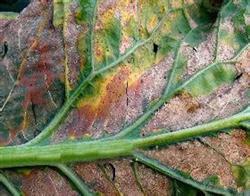
Detailed Explanation of Cauliflower Planting Techniques and Management Key Points
Cauliflower downy mildew is a fungal disease caused by infection with the parasitic downy mildew of the subphylum Mastigomycotina. The oospores of the pathogen overwinter in the soil along with diseased plants, and after overwintering they spread in the field with wind and rain. The most suitable climatic conditions for the disease are a temperature of 20-24 and a relative humidity above 90%. The disease is more severe during rainy or foggy periods or when water accumulates in the field; sowing...
-
Key Techniques for Winter and Spring Control of Wheat Red Spider Mites
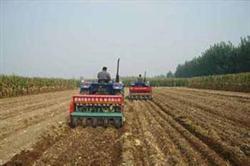
Seven parts planting, three parts management: improving sowing quality is the key to a grain harvest. At present, spring wheat in our province is about to enter the sowing period. How well the sowing stage is handled and sowing quality improved has a bearing on the overall success of the spring wheat harvest for the whole year. 1. Selecting improved varieties. To achieve a bumper wheat harvest, soil is the foundation, fertilizer is the nutrition, and water is the lifeblood, ...
-
Key Points of Dragon Fruit Irrigation and Drainage Techniques (Part 1)
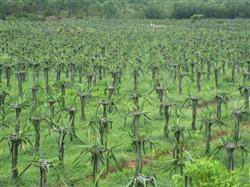
Soil moisture conditions are closely related to tree development, high and stable yields, and tree lifespan. Maintaining soil moisture within a range favorable for fruit tree growth and development through irrigation and drainage is an important task in orchard soil management. 1. Irrigation. Water is the lifeblood of plant growth and an indispensable...
条件筛选