-
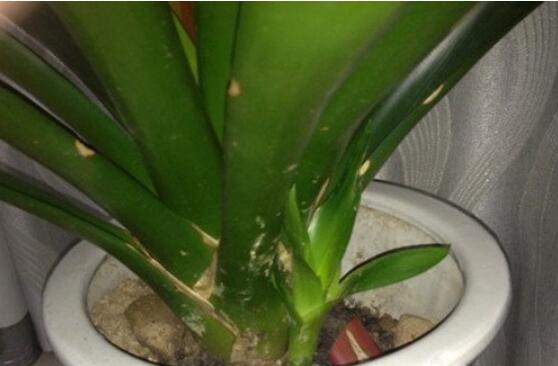
How to divide Guzmania (Guzmania lingulata)? A propagation method by division suitable for all four seasons
Gardeners are certainly familiar with the Guzmania flower; what leaves the deepest impression is that the head blooms only once in its lifetime! But precisely because of this, the Guzmania flower is very beautiful. And to keep enjoying this beauty, there is a good way, namely propagation. It is understood
-
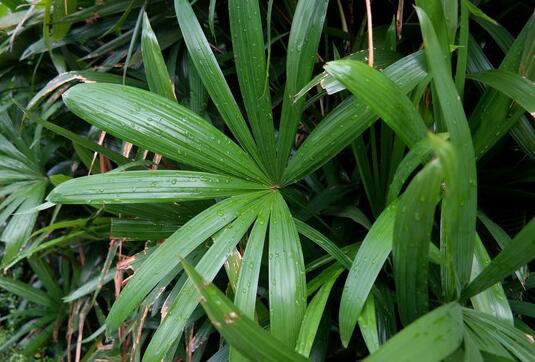
How to repot the broadleaf lady palm? Early March is the most suitable time for repotting
During the cultivation of the broadleaf lady palm, it needs to be repotted once every 2-3 years, which allows it to grow better. However, there are many things to pay attention to when it comes to repotting. So how do you repot a broadleaf lady palm? What are the precautions for repotting a broadleaf lady palm? Let us walk you through it below.
-
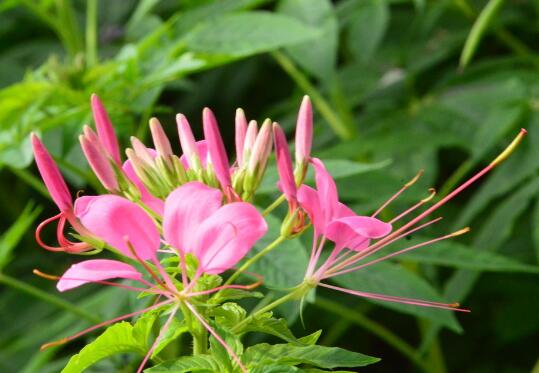
Is Cleome spinosa poisonous? It has mild toxicity but is suitable for indoor growing
Cleome spinosa is an excellent nectar plant, well known worldwide, and also highly ornamental, which is why many people want to grow one at home. However, many plants carry some degree of toxicity, so this is something we need to be clear about when growing them. Regarding whether Cleome spinosa is poisonous
-
Is String of Hearts Toxic? Suitable Indoor Temperature Conditions for Growing It
There are many kinds of plants on Earth. Some plants are very beautiful but are not suitable for growing indoors, because they may contain certain toxins, so when people choose plants, they often first consider their safety.
-
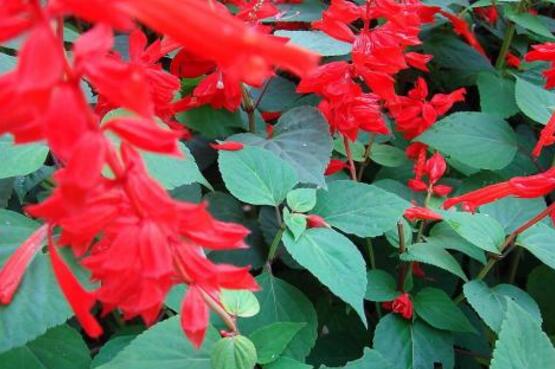
Scarlet sage is non-toxic and suitable for growing indoors
Scarlet sage is also known as ivory red. Since it belongs to the sage family, many flower enthusiasts are concerned about its safety, because some plants in the sage family can cause physical discomfort when grown. So, is scarlet sage toxic? Can scarlet sage be placed indoors? Next, the editor will answer in detail
-
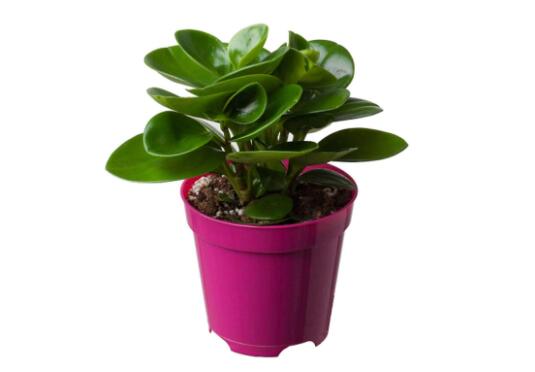
Is the jade plant (Peperomia) poisonous? Non-toxic and suitable for indoor growing
The jade plant (Peperomia) is a plant with high ornamental value, so many people want to grow one at home. However, many plants carry a certain level of toxicity, and we need to clarify this point before growing them. Is the jade plant (Peperomia) poisonous? Is the jade plant (Peperomia) suitable for indoor growing? Let's take a look below.
-
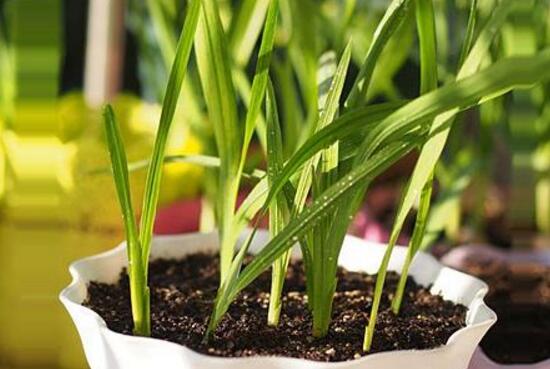
Freesia leaves turning yellow is mostly due to unsuitable light, improper water and fertilizer, and major environmental changes
The beauty of freesia should leave a deep impression on anyone who has seen it. Not only are its flowers beautiful, but its sword-like leaves are also very lovely. However, during cultivation, many flower lovers encounter yellowing leaves, which seriously affects the ornamental value of freesia. So what causes freesia leaves to turn yellow? On this
-
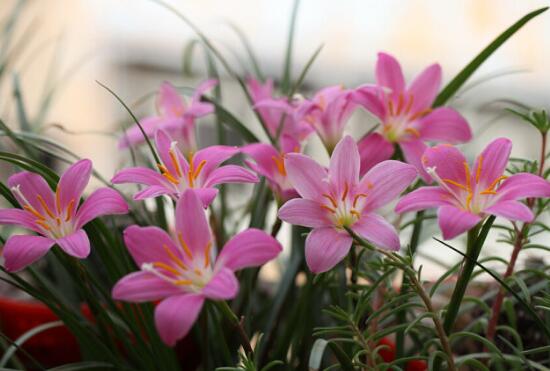
Is rain lily toxic, and is it suitable to put in the bedroom? / Many benefits of keeping it indoors
As a beautiful flower, the rain lily has excellent qualities. First, it looks lovely and is a delight to the eye; second, it purifies the air and beautifies the home, giving us a healthy living environment. Such a plant naturally attracts people's affection, but some say it is toxic! So, is the rain lily toxic?
-
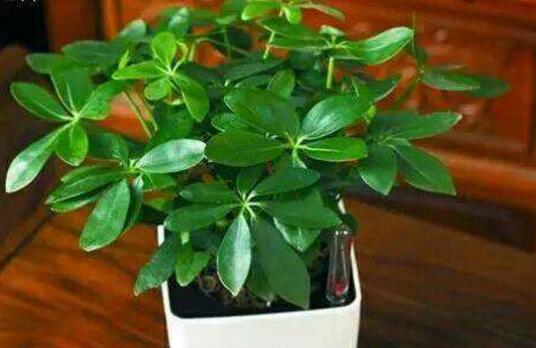
How to grow Schefflera arboricola? Suitable light and the right care methods and precautions
Schefflera arboricola is native to Guangdong in China, South America and other places. Because it is highly adaptable and has many benefits and uses, more and more people are growing it. Although this plant is easy to keep alive, growing it well still requires mastering certain methods.
-
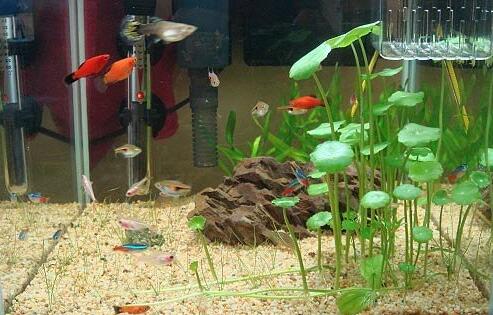
Can Pennywort (Hydrocotyle vulgaris) be grown in a fish tank? With suitable light and the right method, yes.
Pennywort is an amphibious plant that can be grown both on land and in water. It can be cultivated in soil or in water, and its leaves and rhizomes can be completely submerged in water. So some gardening enthusiasts have a question: can Pennywort be put in a fish tank? The answer is yes.
条件筛选