Is the jade plant (Peperomia) poisonous? Non-toxic and suitable for indoor growing
The jade plant (Peperomia) is a plant with high ornamental value, so many people want to grow one at home. However, many plants carry a certain level of toxicity, and we need to clarify this point before growing them. Is the jade plant (Peperomia) poisonous? Is the jade plant (Peperomia) suitable for indoor growing? Let's take a look below.
1. Is the jade plant (Peperomia) poisonous? It is non-toxic
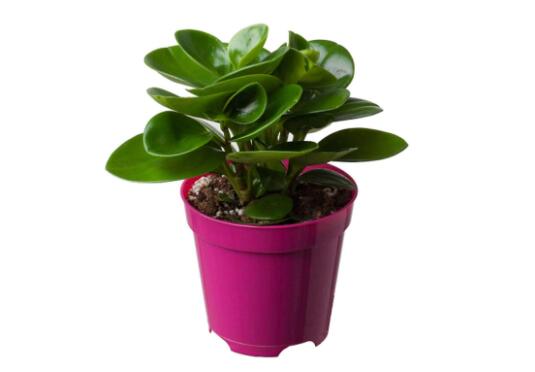
Regarding the question of whether the jade plant (Peperomia) is poisonous, the answer is no. This plant itself is not toxic, and moreover, it has high medicinal value; both its leaves and roots can be used as medicine. As for which specific ailments it can treat, you can refer to the article on the effects and uses of the jade plant (Peperomia). I won't go into too much detail here.
2. Is the jade plant (Peperomia) suitable for indoor growing? Yes
The jade plant (Peperomia) is a fairly common household potted plant, and it also dislikes strong light, so growing it indoors is more than suitable. What's more, keeping it indoors brings people many benefits. As for what those specific benefits are, they are described in detail below. Let's continue reading.
3. Benefits of growing the jade plant (Peperomia) indoors
1. Beautifying the environment
The jade plant (Peperomia) is highly ornamental and is often cultivated in people's homes. Pairing a white flower pot with its green leaves makes it a unique scenic feature in people's homes, with an excellent beautifying effect on the indoor environment. In addition, it can also be planted on a large scale, making a fine contribution to urban greening.
2. Freshening the air
The jade plant (Peperomia) is a very popular plant because it has the ability to purify the air. Growing it at home can bring people a healthy and comfortable environment. It can absorb harmful gases such as residual formaldehyde and secondhand smoke in the air, and it can also release oxygen, thereby making the indoor air fresher.
3. Radiation protection
Besides being grown at home, this plant is also a favorite in offices. If a jade plant (Peperomia) is placed beside you while you work, it can reduce the harm that electromagnetic radiation brings to the human body, so office workers who sit facing computers for long periods might consider getting one.
4. Feng shui effect
The jade plant (Peperomia) is a plant with good feng shui symbolism. In the five elements it represents the wood attribute, and in feng shui the east belongs to wood. If it is placed in an east-facing position in the home, it can bring the owner good fortune; besides that, it also has the effect of warding off evil and averting misfortune.
Loquat Eriobotrya japonica Loquat illustrated guide: how to grow loquat / how to propagate loquat
Loquat profileLoquat Eriobotrya japonica
Loquat growing methods and precautions Loquat introduction
Loquat (scientific name: Eriobotrya japonica; English name: Loquat), known in ancient Chinese as luju, also called jinwan and luzhi, is a genus in the Maloideae subfamily of the Rosaceae family, an evergreen small tree. Together with cherry and plum, it is called one of the "three friends among fruits." The crown is round and the trunk is rather short, with trees generally 3-4 m tall. The leaves are thick, dark green, with down on the underside and serrated edges. Loquat originated in southeastern China and is named because its fruit resembles the pipa instrument.
Morphological characteristics of loquat
Loquat originated in southeastern China. It is a genus in the Maloideae subfamily of the Rosaceae family, an evergreen small tree of the genus Eriobotrya in the Rosaceae family. The crown is round and the trunk is rather short, with trees generally 3 to 4 m tall. The small branches are densely covered with rusty-colored down. The leaves are thick, dark green, leathery, oblanceolate, obovate to oblong, with acute or acuminate tips and cuneate bases or gradually narrowing into the petiole, and the underside and petiole are densely covered with grayish-brown down. The upper edges have sparse serrations, and the surface is wrinkled and green. The panicle is terminal, and the pedicels and calyx tube are densely covered with rusty-colored down. The flowers are white and fragrant. The flowering period is from November to February of the following year. The fruit is spherical or oblong, yellow or orange-yellow. The fruit ripening period is from May to June. The fruit takes various shapes such as oval, elliptical and round. Around May to July, in the season when the fragrant orange-yellow fruits ripen, among the layer upon layer of verdant mountains of Dongting Mountain, the golden loquats hang all over the branches. Some compare them to "golden pills," and some call them "little golden hammers." The Ming dynasty poet Shen Zhou wrote: "Who cast three hundred golden pills, the pellet slightly damp with dew. From now on to strike the magpie, why need jade, there is also tin syrup refreshing the teeth with cold." The loquat tree is quite beautiful in form and grows rapidly with lush green leaves, and it is planted as an ornamental garden plant in many places. It is produced in Shaanxi, Gansu, Jiangsu, Anhui, Fujian and other provinces and regions of our country. Loquat is fresh and sweet with a slight sour taste, produced in areas south of the Huai River in our country, with Anhui's "Santang" being the most famous. In Huizhou folk culture there is a saying, "In heaven the Queen Mother's flat peach, on earth the Santang loquat," and together with cherry and plum it is called the "three friends." It is harvested from April to May; the outer skin is peeled off and the flesh is used fresh.
Unlike most fruit trees, loquat blooms in autumn or early winter, and the fruit ripens from spring to early summer, earlier than other fruits, so it is called "the one among fruit trees that alone embodies the qi of the four seasons." The loquat flower is white or pale yellow, with five petals, about 2 cm in diameter, borne in clusters of five to ten, and can serve as a nectar source crop.
The loquat tree is more than one zhang tall, with luxuriant branches and leaves, yellow hairs on the underside of the leaves, and it does not wither through the four seasons. The flowering period is generally concentrated from October to December, and by March and April it bears ball-like fruits, which when ripe are the color of yellow apricots, with small hairs, very thin skin and flesh, and a large stone like a chestnut. But in Panzhihua City, Sichuan Province, fruit ripens from December to May of the following year. Loquat, anciently named tianxiafan, belongs to the genus Eriobotrya in the Rosaceae family, an evergreen small tree, 3-5 m tall, with large and long leaves that are thick and downy, oblong-elliptical, shaped like a pipa. It is also known by other names such as luju, luzhi, jinwan, yanguo and jiaozi. Evergreen small tree, up to 10 m tall; small branches densely covered with rusty-colored or grayish-brown down. Leaves leathery, lanceolate, long-obovate or long-elliptical, 10-30 cm long, 3-10 cm wide, apex acute or acuminate, base cuneate or gradually narrowed into the petiole, edges with sparse serrations, surface wrinkled, underside and petiole densely covered with rusty-colored down. Panicle with many densely packed flowers; inflorescence stalk, pedicel and calyx tube densely covered with rusty-colored down; flowers white, fragrant, 1.2-2 cm in diameter, petals downy on the inner side, with a claw at the base. Pome nearly spherical or oblong, yellow or orange-yellow, covered with rusty-colored soft hairs that later fall off; fruit size and shape vary by variety. Flowering period October-December, fruiting period May-June of the following year. It is named for its resemblance to a pipa.
Loquat fruit: round or elliptical, 2-5 cm in diameter, the exocarp yellow or orange-yellow, with soft hairs, the top with persistent black calyx teeth, and after removing the calyx teeth a small empty chamber is visible. There is a short fruit stalk at the base, with rough hairs. The exocarp is thin, the mesocarp fleshy, 3-7 mm thick, and the endocarp papery-membranous, brown, containing 1 to many seeds. The aroma is faintly fresh, and the taste is sweet and sour. There are extremely many loquat varieties, which can be divided into two types, red-fleshed loquat and white-fleshed loquat. The former has a long lifespan, strong tree vigor and high yield, but its quality is inferior to the latter; famous varieties include Yuanzhong and Jidanhong. White-fleshed loquat is inferior to red-fleshed loquat in growth and yield, but has excellent quality; famous varieties include Yuanzhong, Yuzhong and Jidanbai. The seeds can be used to make wine and extract alcohol; the wood is hard and tough, used for making wooden combs, wooden sticks and other materials; the leaves and fruit are used as medicine, with effects such as clearing heat, moistening the lungs, and relieving cough and phlegm; the leaves are also steamed to obtain a distillate called "loquat leaf dew," which has effects such as clearing heat, relieving summer heat, and harmonizing the stomach; it is also an excellent nectar source plant, and among honeys, "loquat honey" is of high quality. The leaves contain saponins, amygdalin, ursolic acid, oleanolic acid, tannins, vitamin B1, vitamin C and so on. It has high medicinal value. The loquat tree is neat and beautiful in form, with large leaves and dense shade, evergreen through the four seasons, sprouting new downy white leaves in spring, bearing flower buds in autumn and blooming in winter, fruiting in spring and ripening in summer; among the green leaves, abundant golden pills, which the ancients called excellent fruit.
Ripe loquat fruits also hang on the tree in clusters, each fruit 3-5 cm long, round, elliptical, or long "pipa-shaped." The surface of the loquat is covered with down; when unripe it is greenish-green and rather firm, with a relatively strong fragrance. After ripening, the outer skin is generally pale yellow, and some are darker, approaching orange-red. The flesh is soft and juicy, and can mainly be divided into two types, white and orange; called "bai sha" (white loquat) and "hong sha." Among them, bai sha is sweet and the fruit is smaller; hong sha is more sour or quite sour, and relatively larger. Each loquat fruit contains five locules, of which one to five develop into brown seeds; artificially developed seedless varieties have no seeds.
Ecological habits of loquat
Loquat can bear fruit normally in places with an annual average temperature above 15°C, can grow in areas with an average temperature above 12°C, and has quite strong cold resistance: adult trees can withstand low temperatures of -18°C, and flowers can withstand low temperatures of -4°C, and the flowering period is long, so it is rarely completely damaged by freezing. In addition, loquat does not have high requirements for soil and sunlight, so it is planted in all places south of the Huai River in China. Besides China, loquat is also planted in Japan, the United States (Hawaii and California), India, Brazil, Israel, Turkey, Spain and other places. Among them, Japan's history of loquat cultivation dates to the late Edo period, when it was introduced from southern China. Japan's history of loquat cultivation has exceeded one thousand years.
Distribution range of loquat
The loquat tree is a subtropical tree species, native to Fujian, Sichuan, Shaanxi, Hunan, Hubei, Zhejiang and other provinces in China, and is now distributed in central-southern China as well as Shaanxi, Gansu, Jiangsu, Anhui, Zhejiang, Jiangxi, Fujian, Taiwan, China, Sichuan, Guizhou, Yunnan and other places. It is mostly cultivated as a fruit tree in the provinces south of the Yangtze River. Dongting Mountain in Wuzhong District (Wu County), Suzhou, Jiangsu (Dongshan Zhaozhong white-fleshed loquat); Tangqi in Yuhang District, Hangzhou, Zhejiang (Ruantiao white-fleshed), Ninghai and Sanmen white-fleshed loquat; Baokeng in Putian, Fujian (Dazhong/Jiefangzhong); She County in Anhui Province is one of China's five major loquat producing areas; Shufeng Township, Changtai Town and Yunxiao in Putian City, Fujian, are also praised as the hometown of Chinese loquat, and a large loquat festival gala is held every March.
Landscape uses of loquat
Loquat has strong adaptability. Besides being planted in parks, it is also often planted in courtyards as an ornamental garden plant. The loquat on the shores of Taihu Lake and on the islands in the lake is especially good because the winter water vapor and mist protect the winter flowers from cold damage, so it bears abundant fruit every year. Its fruit is edible and sweet; the fruit and leaves can be used as medicine; the wood is reddish-brown, hard and tough, and can be used to make walking sticks, wooden mallets, wooden sticks and so on. Loquat can be planted artificially or grown in greenhouses. Loquat's living habits: loquat likes light, is slightly shade-tolerant, likes a warm climate and moist, fertile, well-drained soil, is slightly cold-tolerant but not tolerant of severe cold, and grows slowly. It can grow well in areas with an average temperature above 12-15°C, where winter is not lower than -5°C, and during the flowering and young fruit stages not lower than 0°C. It has a relatively long lifespan; grafted seedlings begin to bear fruit in 4-6 years, enter full fruiting age at about 15 years, and yield decreases after 40 years. Under general conditions, it can also be cultivated in Henan Province, but if the fruiting period drops below minus 2 degrees, the young fruit will freeze, so the suitable cultivation area is the middle and lower reaches of the Yangtze River and areas to the south. Fertile soil is best. It is often used for garden ornamentation, in residential communities, gardens, schools, public institutions, factories, hillsides, courtyards, roadsides and in front of buildings.
Uses and purposes of loquat Loquat is soft and juicy, sweet in flavor, and fine in texture. Eating ripe loquat tastes sweet. The peak season is March and April every year. Loquat is rich in various nutrients needed by the human body and is a nutritious health fruit. Loquat is rich in cellulose, pectin, carotene, malic acid, citric acid, potassium, phosphorus, iron, calcium, fructose, glucose, and vitamins A, B and C. Among these, its carotene content ranks third among all fruits. It has the functions of protecting eyesight, keeping skin healthy and moist, and promoting children's physical development. The vitamin B17 it contains is also an anti-cancer nutrient! Therefore, loquat is also called the "crown of fruits"; it can promote appetite and aid digestion, and can also prevent cancer and prevent aging. Traditional Chinese medicine believes that loquat is sweet and sour in taste and neutral in nature, and has effects such as moistening the lungs and stopping cough, quenching thirst and harmonizing the stomach, and promoting urination and clearing heat; it is used for cough from lung atrophy and chest tightness with copious phlegm. Besides being eaten fresh, loquat flesh is also made into canned syrup or brewed into wine. Besides the fruit, loquat leaves and loquat seeds are also commonly used Chinese medicinal materials. Loquat leaves have the function of clearing heat from the lungs and stomach and directing qi downward to transform phlegm, and large pieces of dried loquat leaves are used as medicine for dry cough from lung heat, stomach pain, nosebleeds, and vomiting from stomach heat; they are also made with other medicinal materials into "Chuanbei Loquat Paste." Loquat seeds are used to treat hernia, reduce edema, and benefit the joints. But like other related plants, the seeds and new leaves of loquat are slightly toxic; eaten raw they release trace amounts of cyanide, but because of their bitter taste, one generally will not eat enough to cause harm. Jia Ming of the Yuan dynasty, in "Dietary Prohibitions," mentioned that "wheat should not be eaten with millet or loquat."
Nutritional analysis1. The organic acids contained in loquat can stimulate the secretion of digestive glands, and have a considerable effect on increasing appetite, aiding digestion and absorption, quenching thirst and relieving summer heat. 2. Loquat contains amygdalin, which can moisten the lungs, stop cough, and eliminate phlegm, treating various kinds of cough.
3. Loquat fruit and leaves have the effect of inhibiting influenza viruses, and eating them often can prevent seasonal colds. Loquat is rich in various nutrients needed by the human body and is a nutritious health fruit. Loquat is rich in cellulose, pectin, carotene, malic acid, citric acid, potassium, phosphorus, iron, calcium and vitamins A, B and C. The rich vitamin B and carotene have the functions of protecting eyesight, keeping skin healthy and moist, and promoting children's physical development. The vitamin B17 it contains is also an anti-cancer nutrient! Therefore, loquat is also called the "crown of fruits"; it can promote appetite and aid digestion, and can also prevent cancer and prevent aging. Every part of the loquat is useful: the tree stem can be used to make Chinese medicine; the leaves can clear heat and treat stomach ailments; the flesh is highly nutritious, and eating it often is very helpful for children's development, and it can also stop cough, moisten the lungs, clear heat and promote urination.
4. Loquat leaves can be dried to make tea, and have the effects of releasing heat and directing qi downward and harmonizing the stomach and directing rebellious qi downward. They are a good remedy for stopping vomiting and can treat various kinds of vomiting and hiccups.
Traditional Chinese medicine believes that loquat is sweet and sour in taste and neutral in nature, and has effects such as moistening the lungs and stopping cough, quenching thirst and harmonizing the stomach, and promoting urination and clearing heat; it is used for cough from lung atrophy and chest tightness with copious phlegm.
Besides the fruit, loquat leaves and loquat seeds are also commonly used Chinese medicinal materials. Loquat leaves have the function of clearing heat from the lungs and stomach and directing qi downward to transform phlegm, and are used for dry cough from lung heat, stomach pain, nosebleeds, and vomiting from stomach heat; loquat seeds are used to treat hernia, reduce edema, and benefit the joints. Loquat is a rare fruit unique to southern China. For more information search for loquat tree bases. It nurtures buds in autumn, blooms in winter, sets fruit in spring, and ripens in early summer, receiving the rain and dew of the four seasons, and is "the one among fruits that alone embodies the qi of the four seasons"; its flesh is soft and juicy, moderately sweet and sour, and delicious, and it is praised as the "emperor among fruits." Loquat is not only delicious and nutritious but also has high health value. "Compendium of Materia Medica" records that "loquat can moisten the five viscera and nourish the heart and lungs." Traditional Chinese medicine holds that loquat fruit has the effects of eliminating phlegm and stopping cough, promoting fluid and moistening the lungs, and clearing heat and strengthening the stomach. Modern medicine has further proven that loquat fruit contains abundant vitamins, amygdalin, and naringenin and other anti-cancer and anti-carcinogenic substances. Entering early summer, it is again the season when loquat ripens. Loquat is not only good in taste but also quite rich in nutrition. According to analysis, its main components include sugars, protein, fat, cellulose, pectin, carotene, tannins, malic acid, citric acid, potassium, phosphorus, iron, calcium and vitamins A, B, C and so on. Among these, the carotene content is especially rich, ranking third among fruits. Moreover, the types of sugar it contains are also quite rich, mainly composed of glucose, fructose and sucrose. In addition, the abundant vitamin B in loquat plays a very important role in protecting eyesight, keeping skin healthy and moist, and promoting children's physical development. Loquat is cool in nature and sweet-sour in taste, and has the effects of moistening the lungs and stopping cough, quenching thirst, and strengthening the stomach. It is often used for symptoms such as dry throat and excessive thirst, cough with blood, and hiccups. Not only the flesh of loquat can be used as medicine; its seeds, leaves and roots also have medicinal value. Fresh loquat washed and eaten raw can treat discomfort such as dry mouth and excessive thirst. In addition, take 50 g of fresh loquat, wash and peel, add 5 g of rock sugar, simmer for half an hour and take it; it is especially effective for red, swollen and painful throat caused by tonsillitis.
According to analysis by the Department of Nutrition of the Chinese Academy of Medical Sciences, every 100 g of the edible portion of loquat fruit contains 0.4 g protein, 0.1 g fat, 7 g carbohydrates, 0.8 g crude fiber, 0.5 g ash, 22 mg calcium, 32 mg phosphorus, 0.3 mg iron, 3 mg vitamin C, and 1.33 mg carotenoids. Among these, calcium, phosphorus and carotene are significantly higher than in other common fruits, and it also contains the 8 amino acids essential to the human body.Note:People with cough from lung atrophy, chest tightness with copious phlegm, blood-streaked sputum from overexertion, and scurvy patients are especially suitable to eat it. People with diarrhea due to spleen deficiency and diabetes patients should avoid eating it. Its stone contains amygdalin, which is toxic, so by no means eat it by mistake, lest it harm health and life.ExtractUrsolic acid Ursolic acid, wusu acid, ursolic acid Loquat leaf extract ursolic acid content: 25%, 90%, 98% HPLC Ursolic acid CAS: 77-52-1 Ursolic acid appearance: white fine powder 75179466 Ursolic acid melting point and solubility: mp 283-287°C. Insoluble in water, soluble in ethanol, no foreign matter after dissolution. Ursolic acid alias: wusu acid, ursolic acid, a triterpenoid compound. Ursolic acid molecular formula and molecular weight: C30H48O3; 456.68 Ursolic acid is a triterpenoid compound found in natural plants, with many biological effects such as sedation, anti-inflammation, anti-bacterial, anti-diabetic, anti-ulcer, and lowering blood sugar. It has been found to have anti-carcinogenic, anti-promoting-cancer, F9 teratoma cell differentiation-inducing, and anti-angiogenic effects, and is very likely to become a new type of low-toxicity, high-efficiency anti-cancer drug. In addition, ursolic acid has obvious antioxidant function, so it is widely used as a raw material in medicine and cosmetics. Ursolic acid pharmacological effects: ursolic acid, also known as wusu acid, ursolic acid, is a triterpenoid compound.Loquat juice beverageProcess flow: raw materials → washing → crushing and juicing → screening → heating → blending → canning → exhausting → sealing → sterilization → cooling → packaging → finished product. Key points of process operation Raw material selection: use ripe fresh loquat, or part of the broken fruit flesh selected from the production of loquat in syrup, but it must be fresh and hygienic. Washing: first rinse the dust and other matter off the fruit surface with running water, then soak in 0.5% potassium permanganate solution for 1 minute to achieve disinfection and sterilization. Then rinse clean with running water and remove the stones, stems, moldy and rotten and other unsuitable processing parts. Crushing and juicing: use a pulping machine with a screen plate aperture of 1.5-2.5 mm to extract the juice, then press the loquat flesh residue through a screw juicer to extract the residual juice, add 0.02%-0.04% ascorbic acid to prevent oxidation of the juice, and quickly carry out heat treatment to inhibit oxidase activity. Heating: after adding 0.02%-0.04% ascorbic acid to the extracted juice, quickly heat it in steam so that the center temperature of the original juice reaches 85-90°C, hold for 15 seconds, then quickly filter. Screening: filter the above juice while hot through silk cloth, or use a high-speed centrifugal separator to separate out coarse particles and coarse fibers, then filter through silk cloth to remove coarse fibers and broken fruit flesh. Blending: according to the specification requirements of fruit juice beverages and sensory needs, add sugar, water and citric acid to the filtered original juice to make a natural beverage. Canning, exhausting, sealing: put the adjusted beverage into bottles, heat and exhaust, control the center temperature of the fruit juice beverage at 90°C, hold for 1-2 minutes, take out, cool slightly and quickly seal. Sterilization, cooling: heat the bottled beverage in steam for 15 minutes for sterilization, then quickly cool to room temperature, and it is the finished product. To prevent browning of the fruit juice beverage, the entire production process should minimize contact between the juice and air and avoid direct contact between the juice and metal materials as much as possible. Sensory indicators: the color is uniform pale yellow, with no sediment, pure taste, pleasant sweet and sour, and an obvious fruit aroma.Loquat and white fungus soupIngredients: 100 g soaked white fungus, 50 g loquat. Seasonings: appropriate amounts of scallion sections, ginger slices, salt and rock sugar. Method: wash the white fungus, wash the loquat, remove the seeds, and slice. Pour an appropriate amount of cold water into a clay pot, add the white fungus, scallion sections, [8] ginger slices, and boil over high heat for 30 minutes. Remove the white fungus, drain, and tear into small florets. Wash the original pot, pour in an appropriate amount of boiling water, add the loquat, white fungus, salt and rock sugar, and boil over high heat. Pour the cooked ingredients into a bowl and steam in a steamer until the white fungus is soft and tender. If fresh loquat is not available, canned loquat can be used instead.
Selection and preservationWhen selecting loquat, choose those that are large and uniform, obovate in shape, with orange-yellow skin, intact down, juicy, thin-skinned and thick-fleshed, and with no green fruit. Loquat should not be put in the refrigerator; storing it in a dry, ventilated place is sufficient. If it is soaked in cold water, sugar water or salt water, it can be prevented from changing color. Never eat loquat that is not yet ripe.
Variety classification of loquat
Producing areas and varieties Loquat producing areasTangqi, Sanmen, Huangyan and Ninghai in Zhejiang, She County in Anhui Province, Putian in Fujian and Yunxiao County in Zhangzhou City, and East and West Mountains in Wu County, Jiangsu (Wuzhong District, Suzhou) are together called the country's six major loquat producing areas.Hangzhou Tangqi loquatTangqi loquat is mainly produced in Tangqi Town, Yuhang District, Hangzhou City. Tangqi loquat fruit is beautiful in shape, golden in color, large and thick-fleshed, juicy and sweet, pleasant sweet and sour, relatively good in flavor, and rich in nutrition. In May the Jiangnan region is verdant, silkworms are old and loquats are yellow. Tangqi loquat blooms in early winter, and the flowers are extremely fragrant. Each flower cluster consists of 60-90 small flowers, and the fruit ripens in May. Whenever in the depths of winter and the twelfth month, when the hundred flowers have withered, the loquat flowers bloom braving the cold, white as jade, deeply loved by literati and painters of successive dynasties, who called it "loquat morning emerald." According to historical records, Tangqi began planting as early as the Sui dynasty, with a history of nearly 1,400 years. Because of its excellent variety, superior quality and unique flavor, it was listed as a tribute from the Tang dynasty onward. In the Tang dynasty it was already quite flourishing, and there was a certain amount of cultivation, storage and transportation technology, regarding loquat as a "precious fruit." According to historical records, Tangqi loquat was first planted in the Sui, flourished in the Tang, and reached its peak in the late Ming and early Qing. In the Ming and Qing dynasties, Tangqi ranked first among the ten famous towns of Jiangnan, and was known as "a land of beauties in Jiangnan."She County Santang loquatSantang loquat of She County, Anhui, has long been famous, and historically was a tribute item.Lanxi Hongni Mountain loquatOn May 25, 2011, at the first Zhejiang Agricultural Guinness Loquat Contest held in Nubu Street, Lanxi City, the "Hongni Mountain" loquat of Lanxi became "the sweetest loquat in the whole province." Hongni Mountain loquat won: "First Prize in the Zhejiang Agricultural Guinness Loquat Contest." The contest used soluble solids content as the main quantitative indicator, tested with a digital measuring instrument meeting national standards, and with notaries present for on-site notarization. The competition attracted 11 loquat professional cooperatives and leading agricultural enterprises from Jinhua, Wenzhou, Taizhou, Hangzhou and other places to compete. After on-site testing by experts from the Provincial Department of Agriculture, the loquat of the Hongni Mountain Loquat Professional Cooperative of Nubu Street took first place with a sugar content of 18.1, the loquat of the Muwu Loquat Professional Cooperative took second place with a sugar content of 16.4, and the loquat of the Tangjia Loquat Professional Cooperative of Huangyan, Taizhou, took third place with a sugar content of 15.0.Other varieties Loquat belongs to the genus Eriobotrya in the Rosaceae family. This genus has more than 20 species in total, 14 of which are native to China, most native to the middle and upper reaches of the Yangtze River and the mountains of the southwest. The main ones are:
1. Common loquat
Common loquat is an evergreen small tree, 6-10 m tall, with grayish-brown, rough trunk, new shoots densely covered with down, leaves obovate or long-elliptical, nearly sessile, leathery, with rusty-colored down on the underside, and serrated notches on the leaf edges. Panicle, small white flowers, calyx and petals 5 each, stamens numerous, style 5-cleft, ovary inferior, 5 locules, 2 ovules each. Fruit large, orange-red or orange-yellow. Seeds 2-6. All cultivated varieties belong to this species. Its characteristic is winter flowers and summer fruit. The native species is distributed in Shaanxi, Hubei, Sichuan and other places.2. Taiwan loquatTaiwan loquat, also called red-leaf loquat, is native to Hengchun, Taiwan, China. Leaves thin, fruit small, round, ripening in October, sweet and edible, with the effect of treating febrile diseases, and weak cold resistance. It can be used as rootstock. Its characteristic is summer flowers and autumn fruit. Distributed in Taiwan, China and Guangdong.3. South Asian loquatSouth Asian loquat, also called Yunnan loquat and smooth-leaved loquat, has native species in Yunnan and northern India. Evergreen large tree
. Leaves smooth and hairless on both sides, glossy, petiole 2-3 cm long. Flowers have a hawthorn fragrance. Fruit small, elliptical. Seeds 1-2. Characteristic is winter flowers and summer fruit.4. Large-flowered loquatLarge-flowered loquat has a native species in western Sichuan. Leaf edges recurved, initially downy, later falling off, petiole 2.5-4.0 cm long. Flowers large, 2.0-2.5 cm in diameter, pistils 3. Fruit relatively large, nearly round, orange-red, smooth. Seeds 1-2. Distributed in Sichuan, Guizhou, Hubei, Hunan, Jiangxi and Fujian. Characteristic is spring flowers and autumn fruit.5. Oak-leaved loquatOak-leaved loquat is produced in Mengzi and other places in Yunnan and western Sichuan. Small tree. Underside of leaves densely covered with prostrate gray down. Ovary semi-superior. Fruit small, oval, thin-fleshed and edible. Single stone (1 seed). Characteristic is autumn flowers and summer fruit.6. Nujiang loquatNujiang loquat is produced along the banks of the Nujiang River in Yunnan. Small tree. Leaf surface glossy, underside with yellow long soft hairs. Fruit spherical. Single stone (1 seed). Ripens June-August. Characteristic is spring flowers and autumn fruit. As far as varieties are concerned, red-fleshed types have thick skin that is easy to peel, sweet taste and coarse texture, and are suitable for canning. White-fleshed types have thin skin and thick flesh, fine texture and sweet taste, and are suitable for fresh eating. Famous loquat varieties include: "Ruantiao Baisha" from Yuhang, Zhejiang, with white flesh and sweet taste; "Jiefangzhong" from Putian, Fujian, with thick and tender flesh, juicy and delicious; "Zhaozhong Baisha" from Wu County, Jiangsu, juicy and fine-textured, with a fresh and sweet flavor.
Original varieties
Jiefangzhong: a famous variety, selected in 1949. The fruit is extra large, averaging 61.04 g, but because of poor early fruiting, it bears fruit four years after planting, is prone to fruit cracking, and is susceptible to sunscald; in particular, the flavor is rather flat and rather sour, and the quality is clearly inferior to Dawuxing. It was eliminated in the mid-1980s in Longquanyi District, Chengdu, and development has basically stopped in its place of origin, Fujian. It may be developed in moderation in new loquat areas, but production scale should not be blindly expanded. Luoyangqing: a famous domestic variety. Average fruit weight 32 g, good high-yield performance, but the fruit is quite sour, the fruit is rather small, the appearance is not good, and the marketability is poor. It can be developed in moderation as a processing variety, but areas mainly focused on fresh eating should not blindly start it. Dahongpao: the fruit is rather small and is no longer developed. Dongting loquat: average fruit weight 30.2 g, mild taste, more sour than sweet, relatively poor quality, and the planting scale should no longer be expanded. Zaozhong No. 6: an early-maturing variety, average fruit weight 25-30 g, but the fruit is small and the flavor is flat, and the selling price is average. Development has stopped in its place of origin, Fujian, and it may be developed in small amounts in new areas. White-fleshed loquat (Baiyu loquat): relatively good quality, but the fruit is rather small, averaging 25-30 g, and the flavor becomes flat after over-ripening; it may be developed in moderation. Changhong No. 3: fruit weight 34.05 g, the fruit flavor is rather flat, and the tree tends to decline early, so it is not suitable for large-scale development. 8 "Guangronghua." "Dahongpao" has yellow skin but the flesh shows red, while "Guangronghua" is named because a clear five-pointed star grows at the calyx. First-grade loquat has only about 20 fruits per kilogram, and in Miantan Village in the Santang loquat producing area of She County, a "loquat king" with only 10 fruits per kilogram has even been cultivated.Five-star brand Early Five-starKing of early-maturing loquat - Early Five-star. Selected by scientific and technical personnel of Longquanyi District, Chengdu, from seedling trees, average fruit weight 66 g, extremely early-maturing, generally ripening around April 10 in the Chengdu area, about 20 days earlier than Dawuxing, with a ripening period comparable to Zaozhong No. 6, but the average fruit weight is clearly one to two grades larger than Zaozhong No. 6, and other traits are basically the same as Dawuxing. The number of seedlings of this variety is extremely small and it is very precious.Late Five-starKing of late-maturing loquat - Late Five-star (Red Lantern). This variety was selected in 1987 by scientific and technical personnel of Longquanyi District, Chengdu, from seedling trees in Meiman Village of the district, originally numbered 87-1-8. It passed expert appraisal in 2001 and was named Red Lantern, but locally in Longquanyi District most fruit farmers call this variety Late Five-star or Chi Five-star. This variety has moderate tree vigor and an upright tree posture. Leaves are medium-large, deep green, and the surface of new leaves is densely covered with white down (one of the important characteristics of this variety). Flower formation is extremely easy and it is extremely high-yielding; the flower formation rate of summer shoots produced in the same year after fruit harvest is above 80%, with 5-10 fruits per cluster. Generally it tries to flower and bear fruit in the second year after planting, and officially goes into production in the third year. A 5-year-old tree averages 25 kg per tree, and an 11-year-old tree averages 75 kg per tree. Calculated at an average of 111 trees per mu, a 5-year-old orchard averages 2,750 kg per mu. This is 161% higher than the yield of an orchard of the same age of Zaozhong No. 6, and 136.2% higher than an orchard of the same age of Jiefangzhong. The fruit is oval or nearly round, extremely large, with an average fruit weight of 65.3 g. The fruit skin is orange-red, the fruit surface has no or very little rust spots, the bloom is medium-thick, and it is bright and beautiful. The flesh is orange-red, extremely thick, with an average flesh thickness of 1.21 cm, fine and tender texture, especially abundant juice, and a rich, sweet flavor. According to determination by the central laboratory of the Sichuan Academy of Agricultural Sciences, the soluble solids content is 13.5%, and the edible rate is 76%. This variety has extremely strong drought resistance. In most years Longquanyi District, Chengdu, suffers severe spring drought, yet the Late Five-star orchards planted on the thin, stony mountain soil of Longquan Mountain can obtain a relatively good harvest every year. No fruit cracking or pre-harvest fruit drop has been found in this variety, and it does not produce sunscald fruit even without bagging, whereas Jiefangzhong, if not bagged, suffers extremely severe sunscald. This variety is extremely late-maturing; in a normal year it generally begins to ripen in early June, and the latest batch of fruit can be harvested in late June, 20 days later than the ripening period of Dawuxing, and more than 10 days later than the famous late-maturing loquat variety Jiefangzhong, which is favorable for filling market gaps, and the market price is 50-100% higher than that of Dawuxing. Late Five-star loquat is one of the latest-maturing loquat varieties and is in the early stage of development. Even in its place of origin, Longquanyi District, Chengdu, the cultivated area is less than 100 mu, and the area in production is less than 50 mu.Yellow Five-starNewest selected improved variety - Yellow Five-star. Newly selected and bred, slightly sweeter than Dawuxing, with a smaller five-pointed star at the calyx depression of the fruit, and other traits basically the same as Dawuxing.Big Five-starKing of loquat - Big Five-star loquat. Big Five-star loquat is the newest variety bred by Longquanyi District, Chengdu, through seedling selection, and is a major achievement in loquat breeding since the founding of the People's Republic. This variety has the following characteristics: extra-large fruit and good marketability. After fruit thinning, the average fruit weight is 81 g, with a maximum of 194 g, making it the largest-fruited loquat variety in China at present. The fruit surface of Big Five-star loquat is extremely beautiful. It clearly surpasses famous varieties such as Jiefangzhong and Luoyangqing (according to the latest test on May 9, 2001, with strict fruit thinning, the average fruit weight was 80.91 g and the maximum fruit weight was 206 g; in orchards without fruit thinning, the average fruit weight was 66 g and the maximum fruit weight was 173 g). The tree vigor is moderate, early fruiting performance is good, and it is extremely high-yielding. Generally it tries to flower and bear fruit in the second year after planting, two years earlier than Jiefangzhong goes into production. Planted at 222 or 111 trees per mu, if flowers and fruits are not thinned, the yield per mu can reach 5,000 kg, but to ensure the marketability of this variety, a large amount of flower and fruit thinning is needed every year, generally thinning away more than 2/3 of the flowers and fruits, and maintaining a yield of 2,000 kg per mu is sufficient. In addition, its stable-yield performance is also good; under normal management levels, there is almost no alternate bearing or the alternate bearing is not obvious. The flavor is rich and sweet, the sugar content is high, and the quality is of the highest grade, overcoming the shortcoming of Jiefangzhong's rather sour flavor. Sugar 11.5-12.6 degrees, soluble solids 13.5-14.8%, and the flavor clearly surpasses famous domestic varieties such as Jiefangzhong, making it the best variety for producing high-grade fresh loquat fruit. On May 15-16, 2000, a large company, after inspecting loquat producing areas in Fujian, Zhejiang and other parts of China, came to Longquanyi and Tongliang to inspect Big Five-star loquat. Tested with its own sugar meter, the sugar content of fresh Big Five-star fruit reached 13.2 degrees, so it gave Big Five-star the highest evaluation, considering this variety to be the one with the best overall traits at present. It has strong stress resistance, wide adaptability, simple management, few pests and diseases, and low production cost, and is suitable for vigorous development in all loquat producing areas in the south. According to feedback after trial planting and introduction in nine provinces and regions in the south, the performance of Big Five-star in each province exceeded all local varieties. Its performance in Guangdong and Guangxi is excellent, with quality, flavor and yield clearly surpassing Sichuan, and it was not affected in the slightest by the severe freeze damage at the end of 1999. The fruit has high hardness, and the fruit skin is highly tough, making it resistant to storage and transportation. It can be stored and transported for more than 10 days at room temperature, and can be stored for two months under refrigeration. If air-freighted from Chengdu to the Shanghai market, the good fruit rate can be maintained above 99.5%. Therefore, it is favorable for capturing the northern market. The fruit harvest period is long; generally from the first batch of fruit going on the market to the end of harvest, the whole period is more than 20 days, greatly easing sales pressure. The edible rate is high, the color is golden yellow, and the appearance is attractive. According to statistics on May 12, 2000, the edible rate reached 75.62%, clearly surpassing Jiefangzhong and Zaozhong No. 6. In addition, the fruit surface is golden yellow with few spots, which is favorable for entering supermarkets as a high-grade fruit.
Off-season marketing. It generally ripens in early May in the Chengdu area, half a month earlier than Jiefangzhong. It ripens in late April in southern Hunan, southern Guizhou and southern Jiangxi, and in mid-April in Guangxi and Guangdong. At this time the hundred fruits are not yet ripe, exactly filling the gap of other fruits, so its economic value is extremely high. This variety is the newest bred, and in terms of appearance, fruit weight, high yield, quality and stress resistance it greatly surpasses famous varieties such as Jiefangzhong, Luoyangqing, Taicheng No. 4, Dahongpao, Tianzhong, Maomu, Zaozhong No. 6 and Senwei Zaosheng, and won the silver medal (the highest award among loquat varieties) at the "99 Kunming World Horticultural Exposition." On June 10, 2000, the selected Big Five-star won the Golden Elephant Award at the "21st Century Agriculture and Animal Husbandry Science and Technology Achievement Exposition" hosted by the Thai Agricultural Economics Association and the Taiwan Agricultural Product Development Research Center.
Other classifications
Loquat, together with cherry and bayberry, is called the three sisters of early summer, and there are more than two hundred varieties. By ripening period, loquat can be divided into three types: early, middle and late. Early-maturing varieties can come on the market in May, middle-maturing varieties appear in large numbers in June, and late-maturing varieties can extend to early July.
By fruit shape, there are round-fruited and long-fruited types. Generally round-fruited types contain more seeds, while long-fruited types mostly have few seeds or a single seed.
By fruit color, they are also divided into red-fleshed and white-fleshed types. Red-fleshed loquat is called "golden pill" because its skin is golden yellow, as in what Lu You of the Song dynasty wrote: "Hard to learn from the powerful how to pile up fire together, rather follow the young lord to pick up golden pills." White-fleshed loquat has jade-colored flesh, which the ancients called "wax pill," just as Guo Zhengxiang of the Song dynasty wrote: "Each and every loquat still tastes sour, northerners once regarded it as a stamen branch. I do not know what thing can truly compare, I only fear sending a flying letter to entrust a wax pill." The former has a long lifespan, strong tree vigor and high yield, but its quality is inferior to the latter; famous varieties include Yuanzhong and Jidanhong. White-fleshed loquat is inferior to red-fleshed loquat in growth and yield, but has excellent quality; famous varieties include Yuanzhong, Yuzhong and Jidanbai.
As far as varieties are concerned, red-fleshed types have thick skin that is easy to peel, sweet taste and coarse texture, and are suitable for canning. White-fleshed types have thin skin and thick flesh, fine texture and sweet taste, and are suitable for fresh eating. Famous loquat varieties include: "Ruantiao Baisha" from Yuhang, Zhejiang, with white flesh and sweet taste; "Jiefangzhong" from Putian, Fujian, with thick and tender flesh, juicy and delicious; "Zhaozhong Baisha" from Wu County, Jiangsu, juicy and fine-textured, with a fresh and sweet flavor.
Medicinal or dietary therapeutic value of loquat
The medical information and health dietary therapy information on Huhua Network is for reference only and cannot serve as a basis for diagnosis or medical treatment. Any health problem should be consulted with professional medical personnel, and the treatment of any disease should follow a doctor's advice.
Ultimate flower-protecting mission: to love yourself, start from reality and strictly follow the doctor's advice. Toward illness, do not be careless, do not delay, do not give up hope; face it bravely, warm the silent world with love, and care for the flower field within your heart with your heart.
Medicinal value
Fruit: sweet-sour in taste, neutral in nature; seed: bitter in taste, neutral in nature, entering the lung and stomach meridians;
Fruit: clears the lungs, promotes fluid and quenches thirst; seed: eliminates phlegm and stops cough, harmonizes the stomach and directs rebellious qi downward;
Mainly used to treat conditions such as lung heat and cough, chronic unrelieved cough, dry throat and thirst, and insufficiency of stomach qi.
Application for cough: 9-15 g of loquat seeds, crushed, add 3 slices of ginger, decoct in water, remove the residue and take, once each morning and evening.
Suitable population
1. People with cough from lung atrophy, chest tightness with copious phlegm, blood-streaked sputum from overexertion, and scurvy patients are especially suitable to eat it;
2. People with diarrhea due to spleen deficiency and diabetes patients should avoid eating it.
Precautions for selecting and eating loquat
When selecting loquat, choose those that are large and uniform, obovate in shape, with orange-yellow skin, intact down, juicy, thin-skinned and thick-fleshed, and with no green fruit.
If loquat is put in the refrigerator, it will turn black due to excessive moisture; generally storing it in a dry, ventilated place is sufficient.
Because loquat contains polyphenolic components, after peeling it easily browns and changes color; soaking it in cold water, sugar water or salt water can prevent discoloration.
Never eat loquat that is not yet ripe.
Diabetes patients should avoid eating it, and people with diarrhea due to spleen deficiency should eat less or not at all.
Dietary therapy brief introduction Effects:Moistens the lungs and directs qi downward; quenches thirst.Textual research:From "Mingyi Bielu."Main indications:Cough and asthma from lung heat, vomiting, irritability and thirst, chronic unrelieved cough, yin deficiency with lung dryness, coughing blood; insufficiency of stomach yin, dry throat and thirst, loss of harmonious descending of qi, dry retching and unwillingness to eat, and other symptoms.Properties:Fruit: sweet-sour, slightly sour in taste, neutral in nature. Clears the lungs, promotes fluid and quenches thirst. Seed: bitter in taste, neutral in nature, entering the lung and stomach meridians; promotes fluid and quenches thirst, eliminates phlegm and stops cough, harmonizes the stomach and directs rebellious qi downward.Reference:The flesh contains sugars, protein, fat, pectin, carotene, vitamins B1 and C, tartaric acid, malic acid, citric acid and other components.Usage:Eat raw, make into a paste, or decoct in water.Attached formulas:Loquat fruit consists of both the flesh and the stone. The former can moisten the lungs and stop cough, while the latter can resolve phlegm and stop cough; together they exert the effects of moistening the lungs and resolving phlegm, stopping cough and directing qi downward. It is used for dryness-heat in the Lung meridian, with cough and expectoration of phlegm. Selected medicinal dietary recipes: To treat cough due to lung dryness: eat 5 fresh loquat fruit flesh each time, twice a day. To treat lung cancer with heat-type cough, purulent sputum and coughing of blood: loquat leaves 15g (fresh 60g), japonica rice 100g, a little rock sugar. First wrap the loquat leaves in cloth and decoct, take the thick juice and discard the residue. Or brush all the fuzz off the underside of fresh loquat leaves, cut them fine, decoct the juice and discard the residue, then add japonica rice to make congee. Once the congee is done, add a little rock sugar and take it with meals. To treat stomach cancer with incessant hiccups and inability to take food: loquat leaves 20g, dried tangerine peel 25g, honey-fried licorice 15g, ginger 3 slices, decoct in water and take, twice a day. To treat stomach cancer with lung metastasis, vomiting and hiccups, cough and spontaneous sweating: several fresh loquat leaves, glutinous rice 250g. Soak the glutinous rice in clean water overnight, remove all the fuzz from the fresh loquat leaves, wash them clean and wrap them into zongzi, then steam until cooked and eat. 1 to 2 times a day, for 3 to 4 consecutive days. To treat cough and jaundice, and to prevent influenza: loquat leaves (fuzz brushed clean) 60g, decoct in water and take in two divided doses. To treat diabetes: loquat root 60g, decoct in water and take. To treat jaundice: loquat root 120g, decoct in water, add an appropriate amount of brown sugar, take warm, once a day, for four consecutive days. Cough: loquat seeds 9 to 15g, crush, add ginger 3 slices, decoct in water, discard the residue and take, once each in the morning and evening. Loquat cough-stopping decoction: loquat (fruit) 100g, peel open into two halves, crush the seeds, add water and decoct as a decoction to take. To treat stomach heat: [Formula] 15 loquats. [Preparation] Put the loquats in a pot, add an appropriate amount of water, and simmer over gentle heat. [Administration] Take in divided doses each morning and evening. To treat hernia: [Formula] loquat seeds 10 to 20g. [Preparation] Crush the loquat seeds, put them in a pot, add an appropriate amount of water, and decoct over gentle heat. [Administration] Take twice a day. Loquat for weight loss. Loquat is rich in crude fiber and mineral elements. Every 100g of loquat flesh contains 0.4g protein and 6.6g carbohydrates, and also contains vitamin B1 and vitamin C; it is a very effective fruit for weight loss. Traditional Chinese medicine theory holds that weight loss should be based on strengthening the spleen, promoting diuresis and resolving phlegm, and loquat possesses these effects, so it is a very good fruit for weight loss. The following introduces two ways to eat loquat: Loquat paste. Ingredients: loquat flesh 500g, rock sugar 600g. Preparation: Put the rock sugar into boiling water and cook until dissolved, add the loquat flesh and continue cooking until thick and paste-like. Loquat congee. Materials: loquat, chrysanthemum, raw gypsum, japonica rice. Method: Wrap the above medicinal materials in cloth, then put them in a pot, add water and decoct; then add japonica rice and make congee. Usage: Take three times a day, for half a month. Effects: Both loquat and chrysanthemum have the effect of clearing stomach heat and purging lung heat, and can treat acne caused by accumulated heat in the lung and stomach. Loquat wine. Ingredients: low-alcohol glutinous rice wine with an alcohol content of 10 to 12, 0.8L; loquat 600g; clove 2g; vanilla bean 6g; lemon peel 10g; white granulated sugar 450g; cold boiled water 1.1L. Preparation: Put the sugar into a pot, add a small amount of boiling water to fully dissolve it, then add the washed, peeled and pitted loquats, soak for 2 hours, then add the crushed vanilla bean and stir evenly; wash the lemon peel, soak in warm water for 30 minutes, and cut into shreds; take a clean container, put in the wine, then add the lemon shreds, stir evenly, and soak for 30 minutes; take a clean container, put in the loquat mixture, then add the lemon mixture, stir evenly, finally pour in the cold boiled water and stir evenly. #5 After standing, store for 1 to 2 months, filter and discard the residue.WineIngredients: loquat, rock sugar, low-alcohol white liquor
Method: If not peeling, remove both ends; score the skin, add rock sugar; use low-alcohol white liquor of about 30 to 40 degrees, and soak for nearly three months.Nature and flavor:Sweet and sour, cool. ① "Shu Bencao": "The 'Tujing' says, the flavor is sweet and sour." ② "Kaibao Bencao": "The flavor is sweet, cold, non-toxic."Meridian entry: "Bencao Qiuzhen": "Enters the spleen and lung, and also enters the liver."Functions and indications: Moistens the lungs, quenches thirst, and directs qi downward. Treats lung atrophy with cough and blood-streaked sputum, nosebleed, dry thirst, and vomiting and hiccups. "Bencao Gangmu": "Stops thirst and directs qi downward, benefits lung qi, stops vomiting and hiccups as well as thirsty phlegm." "Bencao Xinbian": "Loquat leaf, flavor bitter, qi neutral, non-toxic. Enters the lung meridian, stops cough, directs qi downward, eliminates incessant vomiting and hiccups, and also relieves thirst. When using, remove the fuzz, but only use it to stop cough due to yin deficiency; other coughs must not use it." "Benjing Fengyuan": It must be extremely ripe to have the effect of stopping thirst, directing qi downward and moistening the five viscera. If it is unripe and sour in taste, its power can help the liver and attack the spleen, and eating it causes abdominal fullness and diarrhea. Meng Shen: Benefits the five viscera. Cui Yuxi's "Shijing": Directs qi downward, stops hiccups and vomiting. "Rihuazi": Treats lung qi, moistens the five viscera, directs qi downward, stops vomiting and hiccups, and also thirst diseases. "Diannan Bencao": Treats lung atrophy, consumptive injury with blood-streaked sputum, cough with phlegm, and asthma and wheezing. Also treats infantile convulsion and fever.CautionJia Ming of the Yuan dynasty mentioned in "Yinshi Xuzhi" that "wheat should not be eaten together with millet or loquat." "Suixiju Yinshipu": Eating too much promotes dampness and produces phlegm; those with spleen deficiency and loose stools should avoid it. Loquat leaf is also a kind of Chinese medicine; large loquat leaves are dried in the sun for medicinal use, and have the functions of clearing lung and stomach heat and directing qi downward to resolve phlegm, and are often made with other medicinal materials into "Chuanbei Loquat Paste." But loquat, like other related plants, has seeds and new leaves that are slightly toxic; eaten raw they release trace amounts of cyanide, but because of their bitter taste, people generally will not eat an amount sufficient to cause harm. The Ming dynasty physician Li Shizhen recorded in "Bencao Gangmu": "Loquat is an excellent product and good medicine for harmonizing the stomach and directing qi downward, clearing heat and relieving summerheat." Because of its remarkable effects, loquat has been rated the "king of fruits" and was often used as tribute in history. Loquat flowers and leaves can both be used as medicine; loquat leaf has the functions of clearing the lungs and harmonizing the stomach and directing qi downward to resolve phlegm, and is a key medicine for treating cough due to lung qi. During the Wanli period of the Ming dynasty, the Yunxiao worthy Lin Xiechun, who successively served as compiler of the Hanlin Academy, right assistant administration commissioner of the Huguang Provincial Surveillance Commission, commissioner of the Two Zhejiang Salt Administration, and deputy commissioner of the Huguang Military Defense Circuit, described the cultivation of loquat in many places in his manuscript "Yunshan Jushi Ji" (recorded in the Ming History, Arts and Literature Treatise). In the "Yunshan Academy," the temple in Yunxiao that enshrines Lin Xiechun, there are 260 medical divination lots, many of which have prescriptions using loquat leaf as a medicinal ingredient. This shows that Yunxiao already produced loquat abundantly in the Ming dynasty, and its functions were well known to the common people. During the Guangxu period of the Qing dynasty, Qiu Jin's grandfather Qiu Jiahe twice (in 1878 and 1889) served as subprefect in Yunxiao, and often placed the locally abundant loquat flowers, loquat leaves and loquat roots at his residence for the common people to boil in water and drink, in order to nourish yin and reduce fire, clear the lungs and resolve phlegm, and treat colds, coughs, excessive heat in the lungs and stomach, and dry mouth and tongue. He often told the people: "This is a folk medicine; it saves money and can also treat illness."Food incompatibilitiesJia Ming of the Yuan dynasty mentioned in "Yinshi Xuzhi" that "wheat should not be eaten together with millet or loquat." Small prescription for preventing and treating influenzaFormula: loquat leaves 15 grams.
Preparation: Remove the fuzz from the loquat leaves, wash them clean, put them in a pot, add an appropriate amount of water and decoct, and it is done.
Administration: Take for 3 consecutive days.Cough treatment plan one
Formula: 12 loquats, rock sugar 30 grams. Preparation: Peel and pit the loquats, put them with rock sugar into a pot, add an appropriate amount of water and decoct into a decoction, and it is done.
Administration: One dose a day, for 5 consecutive days.Plan two
Formula: loquat 30 grams, an appropriate amount of rock sugar.
Preparation: Remove the outer shells from the loquat seeds, dry them in the sun, crush them, put them in a pot, add an appropriate amount of water and decoct for 10-15 minutes, discard the residue, then add rock sugar, and it is done.
Administration: Take twice a day.
Effects: Most suitable for those with cough and much phlegm.Treating cough due to lung heat
Formula: several loquats.
Preparation: Peel the loquats and eat them raw.
Formula: Administration: 10-15 a day, eaten in 2-3 divided portions
Treating stomach heat
Formula: 15 loquats.
Preparation: Put the loquats in a pot, add an appropriate amount of water, and simmer over gentle heat.
Administration: Take in divided doses each morning and evening.
Loquat cultivation techniques. Cultivation methods1. For loquat planting, it is advisable to choose flat, high-yield dry land that has been cultivated for years, with deep and loose soil, fertile and rich in organic matter; a soil pH of 6.0 is most suitable. When choosing a site, water sources must be considered to ensure that the orchard can be irrigated from November each year to May of the following year, and that transportation and shipping are convenient. Land that is low-lying and prone to waterlogging should not be chosen. Before planting, deep plow more than 30cm throughout. 2. Where irrigation conditions exist, it is advisable to plant in February to March; where there are no irrigation conditions, plant in mid-June (early rainy season). 3. In warm climates, loquat trees grow quickly, so the planting density should be 960.5 trees/hm, with a row spacing of 3m x 3.5m; after 3 years of establishment they can come into production. After a certain number of years, thinning should be carried out, which is conducive to management and early high yield. 4. In September to October of the year before planting, while the soil is moist, dig planting holes 60cm deep, 80cm wide at the mouth and 70cm wide at the bottom, and at the same time pile the topsoil and subsoil separately. Apply 30kg of farmyard manure or sugar sludge and 0.8kg of calcium magnesium phosphate fertilizer as base fertilizer into each planting hole, mix with topsoil and apply into the planting hole, then backfill all the original subsoil. The backfilling work must be completed 2 months before planting the loquat seedlings, so that the base fertilizer is fully decomposed and the filled soil settles firmly. For transplanting seedlings, choose those free of pests and diseases, with deep green leaf color, well-developed root systems, a graft union diameter of more than 1cm, good healing at the union, and 45 to 50cm above the union (preferably branched). When planting, the root collar of the seedling should be level with the ground and must not be too deep; some leaves and tender shoots should be cut off to reduce evaporation. When planting, let fine soil fully contact the roots, compact the soil around the roots, and each plant must be watered with about 20L of settling water; after the water seeps down, cover with a layer of fine soil. Head back the trunk at 45 to 50cm above the ground.Strengthening management of young treesIn the first year after planting, apply human manure and urine at a concentration of 10% to 30% 3 to 4 times; in the second year, apply 15kg of farmyard manure or decomposed sugar sludge and 0.8kg of compound fertilizer per tree; pay attention to pest and disease control, and apply an appropriate amount of lime to acidic soil to promote the vigorous growth of young trees. Among the shoots sprouted by young trees in the same year, select 1 branch as the trunk and keep 4 to 5 branches to cultivate as the first layer of main branches; when the trunk grows 50cm from the first layer of main branches, pinch it to promote the sprouting of whorled branches to cultivate 3 to 4 branches as the second layer of main branches. When the trunk grows 50cm from the second layer of main branches, pinch it again to promote the sprouting of whorled branches to cultivate 3 to 4 branches as the third layer of main branches; when the main branches grow to 70cm, pull them into horizontal branches and pinch them to promote the sprouting of secondary main branches, making the canopy dwarf. After two and a half years of cultivation, the branching reaches 6 to 7 levels. After uniform heading, the first sprouted shoots are 4 to 5, cultivated as first-level main branches; on each main branch, 3 to 4 shoots are sprouted for the first time to form second secondary main branches; on each secondary main branch, 2 to 3 shoots are sprouted again to form third-level skeleton branches, and then fruiting branch groups are cultivated on the skeleton branches.Promoting and controlling flower bud differentiationGirdling, branch bending and light breaking of branches to promote and control flower bud differentiation. In late June, girdle the trunk 2 to 3 times, and use 50% thiophanate-methyl wettable powder at 50 times dilution to smear the wounds to prevent infection by pathogens; in June to July, pull all main and side branches with a branch diameter of more than 1cm and branch length of more than 70cm to form an angle of 50 to 55 degrees with the trunk, and guide the branch tips to develop horizontally, so that the branches grow obliquely and droop slightly; other branches are twisted and kneaded to change the direction of branch growth, so as to facilitate flower bud formation. 4.2 Fertilizer and water regulation to promote and control flower bud differentiation. From June to August, do not apply nitrogen fertilizer, and appropriately increase phosphorus and potassium fertilizer; from June to August after branch bending until before flower bud formation, if vigorous branch growth still cannot be controlled, spray the leaves 2 to 3 times with a mixed solution of 600 to 800 times potassium dihydrogen phosphate and boric acid. From June to September, for vigorously growing loquat trees, open ditches to drain rainwater, reduce soil moisture, appropriately cut off part of the root mass in the topsoil, and reduce branch moisture. 4.3 Using regulators to promote and control flower bud differentiation. Use paclobutrazol (PP333) by soil application at 0.5g/m plus foliar spraying at 1,000mg/L, treating once each around June 20 and June 30; or spray the leaves once a month with paclobutrazol 1000mg/L from June to August, so that the summer shoots quickly stop growing, increase cell sap concentration and C/N concentration, and promote flower bud formation.Fertilization managementFertilizer should be mainly organic fertilizer, with balanced fertilization. For loquat orchards in production, apply 25kg of farmyard manure and 2kg of compound fertilizer with N, P and K contents each of 15% per tree each year. From September to October, flower spikes begin to appear, and the fertilization amount should account for 20% to 30% of the annual fertilization amount; after fruit thinning, mainly use compound mixed fertilizer supplemented with potassium fertilizer, with the fertilization amount accounting for 20% to 30% of the annual fertilization amount; 1 week before and after heavy fruit harvesting, mainly use organic fertilizer supplemented with nitrogen fertilizer, with the fertilization amount accounting for 40% to 50% of the annual fertilization amount. Remove flower spikes that are too small in the canopy, improperly positioned, or excessive in flower buds. When the support axes have just separated, cut off most of the support axes of the flower spike, leaving only 2 to 3 relatively robust support axes in the middle; thin fruits when the quality of fruit development can be distinguished, leaving more on strong branches and fewer on weak branches, keeping young fruits in the middle section of the fruit spike with similar flowering periods and uniform size, and the retained fruits should not be scattered. For large-fruited varieties such as Zaozhong No. 6 and Jiefangzhong, keep 3 to 5 fruits per spike; for medium-fruited Changhong No. 3, keep 4 to 6 fruits per spike. To prevent uneven fruit color and scabbing of the fruit skin caused by exposure to the sun, spray an insecticide and fungicide once after the last fruit thinning, make paper bags of suitable size from kraft paper for bagging the fruit spikes, make the paper bag bulge when bagging to avoid the fruit contacting the paper bag, and tie the bag mouth with thin iron wire.Preventing pests and diseasesThe main pests and diseases include leaf spot disease, sooty leaf disease, branch and trunk brown rot, loquat shoot-boring insect, pear fruit moth, red spider mite, and bats. To prevent leaf spot disease and sooty leaf disease, start spraying fungicides to protect the leaves when the leaves of each new shoot have grown to half; generally use equal-strength Bordeaux mixture 0.5% to 0.6%, 50% dimethachlon wettable powder or 50% carbendazim wettable powder, or 75% thiophanate-methyl wettable powder or 75% chlorothalonil wettable powder, or 70% thiophanate-methyl wettable powder at 800 to 1,000 times dilution, spraying once every 10 to 15d, for a total of 2 times. To prevent branch and trunk brown rot, strengthen fertilizer and water management, enhance tree vigor, scrape off diseased spots as early as possible and burn the diseased bark, apply 50% carbendazim wettable powder at 200 times dilution to the scraped wounds, and after drying apply Bordeaux mixture to help wound healing; if the diseased area is large and difficult to scrape, use a sharp knife to make vertical cuts every 2cm on the bark, 1 cut each, deep to the xylem, and apply 1:15 concentrated alkaline water; for unaffected branches and trunks, spray 50% thiram wettable powder at 600 times dilution once every 15d, for 3 consecutive times, for prevention. In winter, use lime slurry to whitewash the tree trunks, and use 50% fenitrothion emulsifiable concentrate at 1,000 times dilution, 40% omethoate emulsifiable concentrate at 1,000 to 1,500 times dilution, and 5% hexythiazox wettable powder at 1,000 to 2,000 times dilution for spray control, which can effectively control pests. Bats mainly harm the fruit and can be captured by setting sticky nets in the orchard.Harvesting and handling8.1 Harvest at the proper time. Harvest when the fruit is fully colored, shows the inherent color of the variety, is fully mature, and is of the best quality. Do not harvest under the scorching sun. When harvesting, the fruit must be handled gently; hold the fruit stalk with the hand and carefully cut it off with fruit shears, with the fruit stalk shorter than 1cm, avoiding rubbing off the down on the fruit surface and not bruising the fruit, so as to avoid browning, which affects appearance and reduces commercial value. 8.2 Grading and packaging. After harvesting, grade and pack on site in the orchard according to the national standard (GB/T13867-92 Fresh Loquat Fruit) or according to the buyer's requirements. 8.3 Transportation
Requires speed, stability and low temperature. If conditions permit, it is best to use a cold chain system. (Selected from Longchuan Agricultural Information Network)
Key temperature pointsLoquat originated in the subtropics and requires relatively high temperatures; it can grow normally when the annual average temperature is above 12°C, but for economic cultivation the annual average temperature should be 15 to 17°C, and there should be no severe cold weather. The flowering period of loquat is in late winter and early spring, and low temperatures in winter and spring will affect its flowering and fruiting. A temperature of -6°C causes freezing damage to flowering, and -3°C to young fruit; pollen begins to germinate above 10°C, and pollen germination is most suitable at around 20°C. But when the air temperature or soil temperature reaches above 30°C, the growth of branches, leaves and roots stagnates and becomes poor, and if the fruit encounters high temperature of 35°C in the 7 to 15 days before harvest, it is very prone to sunburn damage and may even lose edible value. Loquat does not have strict requirements for soil and has wide adaptability; generally any soil can grow and bear fruit, but it grows better in loose soil containing more sand or gravel.Key points of propagation and plantingPropagation is mainly by sowing, and grafting can also be used. Sowing can be carried out immediately after seed collection in June. Grafting is generally mainly by cut grafting, which can be carried out in mid-March or from April to May; the rootstock can be loquat seedlings and photinia. Field planting is from late March to early April before budding, and can also be carried out in the Meinan period from May to June or in October. Planting seedlings need to carry more fibrous roots and attached soil to facilitate survival. The planting site is best where it faces south and has little wind.Key fertilizer requirementsNitrogen is one of the elements most needed for loquat growth; increasing nitrogen fertilizer can enhance tree vigor, delay the flowering period, and also has a certain effect on frost prevention. When nitrogen is sufficient, the tree is vigorous, branches are thick and leaves are large, the amount of flowers is moderate, and the fruit is large and the yield is high. When nitrogen is excessive, the shoots grow excessively; although the fruit is large, the color and taste are bland and the flesh is relatively hard. When nitrogen is insufficient, growth is weak, shoots are few and thin and short, leaves are small and thin, old leaves fall early, and the fruit is small and the yield is low. Phosphorus is present in large amounts in the reproductive organs of loquat; applying phosphorus can increase the fruit-setting rate, promote root growth, and increase the sugar content of the fruit. Loquat deficient in phosphorus has poor root growth, small leaves, dark green color, and weak growth. Potassium is present in large amounts in the fruit, and the potassium content in leaves and new shoots is also high. Increasing potassium fertilizer has an obvious effect on promoting fruit enlargement and improving product quality. Potassium can also promote branch fullness and improve disease resistance. Calcium is the element with the highest content in the loquat plant; calcium can regulate the acid-base balance of the tree body, and on soil rich in calcium, loquat trees are vigorous. When calcium is deficient, loquat buds turn brown and die. Magnesium is a component of chlorophyll; when magnesium is insufficient, the areas between leaf veins lose green, the leaves turn yellow, and they fall early. Looking at the loquat plant as a whole, calcium accounts for 0.71% of dry matter weight, potassium 0.53%, nitrogen 0.39%, magnesium 0.10%, and phosphorus 0.06%. Analysis of loquat fruit flesh shows that in addition to nitrogen, it also contains calcium, magnesium, potassium, sodium, phosphorus, iron, manganese, zinc, boron, etc., among which iron content is the highest, at 126 to 700 mg/100 grams; potassium is next, at 210 mg/100 grams. Analysis of normal loquat leaves shows nitrogen 1.35%, phosphorus 0.09%, potassium 0.4%, calcium 0.16%, and magnesium 0.05%. If any element is lower than the above content, it indicates that the loquat lacks that element. Therefore, leaf analysis can serve as a basis for loquat fertilization.Greenhouse cultivation techniquesCultivation is intended to ensure that green loquat can supply high-quality fruit. Protected cultivation has the following techniques: Greenhouse heat preservation. Loquat is one of the easier fruit tree species for greenhouse cultivation. This is because when the greenhouse is covered, it is already flowering and fruiting, so there is no need to promote flowering and fruiting. And through the heat-preservation effect of the greenhouse, it can both avoid the damage of low-temperature frost in winter and early spring and promote accelerated fruit development, early ripening, market capture, and high benefits. Loquat varieties selected for greenhouse cultivation should have the following characteristics: Early maturity: because climatic conditions vary from place to place, the maturity period may be somewhat affected; however, it should be observed from the local actual situation that the variety has early maturity. In this way, after greenhouse cultivation, it can mature early and capture the market early. Large fruit shape: it is required that after flower and fruit thinning, the fruit can reach the maximum fruit weight; for example, the single fruit weight of the red-sand type is more than 50g; that of the white-sand type is more than 30g. Bright fruit color: it should have the inherent color of the variety, that is: the fruit skin of the red-sand type is orange-yellow or orange-red; the fruit skin of the white-sand type is yellow or orange-yellow. Coloring is uniform, with fewer rust spots. High sugar content: the soluble solids of the red-sand type are required to reach more than 12%; the white-sand type more than 14%. The fresh-eating taste is relatively sweet. Strong growth vigor: that is, strong adaptability to environmental conditions and a vigorous tree. According to these requirements, loquat varieties suitable for greenhouse cultivation include: red-sand types such as Tangqi Loquat, Huangyan No. 5, Fine-seeded Loquat, Tangqi Zaofeng, etc. White-sand types such as Xishang Baisha, Baili (also known as "Bailizhi"), Ruantiao Baisha, Zaozhong, etc. Regarding the time of covering the greenhouse: greenhouse heat-preservation cultivation is intended so that the young fruit set by the early flowers of loquat neither suffers low-temperature freezing damage nor is prevented from developing. Therefore, it can make loquat fruit ripen early and be harvested early. Although a very small number of loquat flowers can open in late September, from early October to early December, the temperature in some southern places is sometimes still relatively high. After the loquat greenhouse is covered, the temperature inside the greenhouse can easily rise sharply, causing the tree body to suffer high-temperature damage and lose a large number of leaves. Therefore, the relatively safe period for covering the loquat greenhouse should be before the first low-temperature cold wave arrives. Measured by climatic conditions, this is early or mid-December. Of course, the earlier or later time of covering the greenhouse is related to the maturity and harvest period of the fruit in the greenhouse. If the temperature and humidity in the greenhouse can indeed be well regulated, then if the greenhouse is covered in early or mid-September, the fruit can mature and go on the market in early or mid-February of the following year. Management after covering the greenhouse is the key to the success or failure of greenhouse heat-preservation cultivation of loquat. Management in the greenhouse includes disease control, flower and fruit thinning, foliar fertilization, etc., and management techniques for temperature, humidity and light.One. Temperature managementshould be regulated according to the different phenological periods of loquat. "High-yield and High-quality Cultivation Techniques of Loquat." For example: slow young fruit development period: the daytime temperature should be 10 to 20°C, and the maximum temperature can exceed 25°C, but cannot exceed 35°C. The minimum nighttime temperature is 5°C. Rapid young fruit development period: the daytime temperature is required to be above 25°C; but the maximum temperature cannot exceed 35°C. The nighttime temperature is 7 to 10°C. Fruit coloring and ripening period: the daytime temperature is 25 to 30°C, and also cannot exceed 35°C. The nighttime temperature is 7 to 10°C.Two. Humidity management, excessively high air humidity, or excessive soil moisture, are both unfavorable to the growth and development of loquat. Relative air humidity: different periods have different humidity requirements, such as: flowering period: that is, within one month after covering the greenhouse, the relative air humidity is 75 to 85%. Slow young fruit development period: 70 to 80% is required. Rapid young fruit development period: 80 to 85% in the early stage; 65 to 70% in the later stage. High humidity in the later stage hinders fruit coloring, so the humidity is reduced. Fruit harvest period: only 70 to 75%. Soil moisture: should not be too much. Therefore, generally no irrigation is done in the greenhouse. If special weather occurs and the soil is indeed short of water, methods such as hose drip irrigation or under-film hidden ditch water storage and seepage irrigation should be used to avoid increasing the relative air humidity.Three. Light regulation, light affects the development of loquat flower buds and young fruit, and also affects fruit coloring. But too strong light will burn the fruit. Therefore the requirements are: Increase light. Methods include: ① Hang reflective curtains in the greenhouse; or lay white plastic film on the ground to increase reflected light, so that the lower part and inner canopy of the loquat tree can receive more diffuse light. ② Use long-wave radiation incandescent lamps combined with short-wave radiation white fluorescent lamps to supplement light in the greenhouse. Shading: to prevent sunburn of mature fruit from high temperature and strong sunlight; or when short-term cooling in the greenhouse requires shading, use colored plastic film, straw curtains, shade netting, etc. to shade, weakening the light intensity in the greenhouse. Loquat uses summer shoots as the main fruiting mother branches. After removing the greenhouse cover, grasp management firmly to promote vigorous summer shoots, so as to achieve the goal of high yield year after year. The main management work after removing the greenhouse cover includes: fertilization, pruning, pest and disease control, etc. Fertilization includes: fertilization after removing the cover (that is, fruit-picking fertilizer) and pre-cover fertilizer (that is, pre-flowering fertilizer). Pruning should be mainly heading back, supplemented by thinning, paying attention to controlling canopy height and promoting inner canopy branches, etc. Closely monitor the occurrence and damage of gray spot disease and yellow tussock moth, etc., and control them in time.Greenhouse rain shelteringThis is an effective method for increasing yield and improving quality in open-field loquat orchards. From the rapid expansion period to the ripening period, some loquat varieties are prone to fruit cracking. There are many reasons for fruit cracking, but it is mainly caused by heavy rain, poor drainage in the orchard; or by unfavorable weather such as long clear spells followed by sudden rain, or long rain followed by sudden clearing. There are many methods to prevent fruit cracking: strengthening fertilizer cultivation, enhancing tree vigor; timely drainage or drought resistance; timely pest and disease control, etc., are all effective. And the spraying of ethephon introduced earlier also has an effect. Loquat trees under greenhouse heat-preservation cultivation basically have no fruit cracking. This section introduces that for open-field loquat trees, after adopting rain-shelter cultivation, there is an obvious effect on preventing fruit cracking, producing twice the result with half the effort. It is determined according to the early or late fruit-cracking period of each variety. If the fruit-cracking period is earlier, it should be set up during the rapid fruit expansion period. Taking Huangyan, Zhejiang as an example, it starts on April 15. However, most start when the fruit begins to ripen. Also taking Huangyan, Zhejiang as the measure, it is around May 10. Each place can decide according to specific conditions. There are many forms of rain-shelter facilities; but all are simple and improvised, with easily available materials and simple methods. Umbrella type: a rain-shelter facility independent for a single tree. That is, in the middle of the canopy, a vertical bamboo pole is tied, and plastic film is set up on the bamboo pole, like a sunshade umbrella. Sky-curtain type: bamboo or wood posts are set up at the four corners of the loquat orchard, then iron wire is stretched between the posts, and then plastic film is set up, and the four sides of the film are tied and bound on the iron wire or clamped firmly with clips. There are also those that do not set up posts but use miscellaneous trees at the edge of the orchard, stretching iron wire onto the miscellaneous trees to set up a curtain. Shed-frame type: first build a shed at the edge of the orchard with bamboo or wood, then lay plastic film over the frame to become an elevated shed film. Management after setting up is relatively simple. The main thing is to prevent strong winds from lifting off the film. If high temperature and strong sunlight occur, first uncover the film, and then cover it again around 4 p.m.; second, cover the film with shade netting to weaken the light. Before rain, the film must be well covered. Plastic mulching technology. Plastic mulching in loquat orchards is one of the protected cultivation methods that saves labor and cost, is simple in method, has many functions, and has remarkable effects. Plastic mulching has many effects, such as:One. Avoiding deterioration of soil properties caused by loosening the soilChina historically has had the habit of intertillage and loosening the soil. In fact, this artificially worsens soil properties. The reason is: after loosening the soil, in "Loquat and Bayberry Cultivation and Management," fine soil or fertile soil is easily washed away by rainwater. Frequent loosening of the soil not only hinders root absorption, but also affects the reproduction of soil microorganisms and the activity of soil enzymes, affecting the decomposition of soil organic matter and the supply of available nutrients. When the soil is loosened too many times, the soil will form hardpan due to the sinking of fine particles. This sinking of fine particles is due to the combined effect of mechanical operations and rainwater infiltration. However, all are effects brought about by loosening the soil. Therefore, after plastic mulching, the negative effect of soil deterioration caused by loosening the soil can be avoided.Two. Improving soil conditionsAfter plastic mulching, the soil's ability to retain fertilizer and water is strengthened, and soil temperature can be regulated. For example: avoid fertilizer loss due to rainwater erosion. Moreover, it prevents nitrogen in the soil from volatilizing due to ammonification. It is conducive to the effective exertion of soil fertility. It avoids excessive soil moisture caused by heavy rain or long rain; and can also prevent the harm of soil water shortage during long-term drought. It regulates soil temperature. It will not affect loquat growth because it is too high in summer or too low in winter. According to our observations: the topsoil temperature in mulched orchards does not exceed 30°C at the highest in summer, 5.5 to 6.5°C lower than open fields; while in winter (December to January of the following year), in the 0 to 40cm soil layer, the soil temperature in mulched orchards is 2.99°C higher than in open fields, does not freeze, and is favorable for root growth.Three. Increasing diffuse light in the loquat orchardDiffuse light is very favorable for fruiting in the lower part or inner canopy of the loquat tree. Because white plastic film is used for mulching, on clear days during the daytime, only 70 to 80% of natural light passes through the plastic film, and the natural light that cannot pass through the plastic film is reflected and becomes diffuse light in the loquat orchard space. If the loquat orchard has sufficient diffuse light, the fruit in the lower part of the canopy develops well, the fruit surface has good luster, and the sugar content increases.Four. Reducing pests and diseasesThe phalera assimilis that harms loquat overwinters as pupae in the soil in winter, and plastic mulching can hinder the emergence of its adults. For trunk-base rot disease, because plastic mulching can avoid soil water accumulation, it reduces the occurrence of rot disease. Moreover, after plastic mulching, it can avoid the harm of white root rot at the roots. Therefore, plastic mulching can reduce loquat pests and diseases. Thus it can reduce pesticide use and pesticide pollution of the environment. In short, plastic mulching can enhance the tree vigor of loquat, increase yield significantly, improve quality, and also save labor and reduce costs. Many comparative trials have confirmed that plastic mulching significantly increases efficiency. According to the needs of loquat growth and development, plastic mulching is divided into two types: year-round mulching or seasonal mulching. Year-round mulching: it is advisable to mulch in autumn and winter. In this way it can be used for 1 year. After 1 year, if there is damage, repair it. Seasonal mulching: although the mulching time is short, the effect is still remarkable. It is divided into: Spring mulching: mainly to promote flowering and fruiting; to improve flower quality in the inner canopy; to promote young fruit development; and also to kill spring grass. The period is in early to mid-January. Summer mulching: mainly to prevent rainstorms from washing away orchard soil and to promote the sprouting of summer shoots. The period is in early May. Autumn mulching: aimed at promoting flower bud differentiation and development and preventing autumn drought. The period is in late August. Winter mulching: intended to increase soil temperature and enhance the cold resistance of young fruit. The period is in late October.The method of plastic mulching is simple, but attention should also be paid to:It should cover the whole bed: that is, except for the ditches in the orchard, everything should be covered with plastic film; it must not be covered only near the trunk, otherwise it cannot play the role of mulching. Choose non-toxic plastic film: plastic film includes white plastic film, black plastic film and many other types. However, toxic ones must never be used. Japan has also developed a breathable plastic film, whose performance and effectiveness exceed those of the plastic film used in the past, and which has the characteristics of breathability, lightness and strong durability, making it even more applicable. If there is water accumulation in the orchard, drain it as early as possible. Never use plastic mulching to eliminate water accumulation. If the roots have disease, treat the disease first and then cover with film, so as not to aggravate the root disease after covering. Drying the roots of loquat is a measure to delay flowering and enhance cold resistance. For loquat orchards covered with plastic film, the film should be uncovered and the roots dried. However, after drying the roots and fertilizing, the film cannot be covered immediately. Cover the film only more than 20 days after fertilization, so as to avoid producing ammonia gas and poisoning the roots. Construction of windbreaks. Windbreaks are an indispensable measure for cultivating loquat on coastal mudflats or open plains. Some ridge land or windward mountainous land also cannot do without them. The effects of windbreaks on green loquat can be summarized in the following 3 aspects:One. Blocking strong winds and reducing cold damage: Building windbreaks is mainly to block strong winds and facilitate the growth and development of loquat. For example: because loquat has relatively shallow roots, with a windbreak, wind speed can be slowed, wind force reduced, and loquat trees can be prevented from being overturned. Block cold wind and raise temperature. According to data, because of the influence of windbreak forests, the temperature can be raised by 0.5 to 1°C. Therefore, windbreaks can reduce cold damage to loquat flowers and young fruit.Two. Favoring the activity and reproduction of natural enemies: Many beneficial insects, beneficial birds and other natural enemies that eat loquat pests like to move and reproduce in trees. Because of the establishment of windbreaks, favorable conditions are created for them, which also has a positive impact on controlling loquat pests. For example: because the seven-spotted ladybug and the multicolored Asian lady beetle that prey on aphids both prefer cool shade. During high temperatures in summer and autumn, although they cannot be found in the loquat orchard, they all go to the windbreak to move about. Because the casuarina, pagoda tree and other trees in the windbreak have many cracked bark, green lacewings like to overwinter in the cracks, and return to the loquat orchard the following year. In addition, the minute pirate bug also goes under the loose bark to occupy an overwintering spot, and the next year sucks the body fluids of lepidopteran larvae. Many hoverflies, when there are not many aphids on the loquat, move to the windbreak trees to prey on aphids. Adult parasitic flies go to the windbreak to find pagoda tree flowers and holly flowers to suck nectar, prolonging life and increasing the egg-laying rate. Trichogramma has a parasitism rate of about 90% on the eggs of the pear fruit moth that harms loquat fruit. Originally there are brown-banded tortrix moths in the windbreak trees, and after Trichogramma reproduces a large number of offspring, they then rush into the loquat orchard. Beneficial birds such as great tits, azure-winged magpies and willow warblers all build nests and raise young in the windbreak trees. They become hunters that prey on pests in the loquat orchard. Beneficial animals, in order to preserve life and reproduce offspring, have to avoid pesticides and go to the windbreak forest to inhabit.Three. Regulating the climatic conditions in the loquat orchard: In addition to reducing cold damage, windbreaks also, because loquat likes sunlight and tolerates shade, with the shading effect of the windbreak trees, lower the orchard temperature in hot high-temperature weather; or delay exposure in the morning and create shade earlier in the afternoon. In addition, windbreaks can block cold dry winds, damp hot warm winds, and the bitter salty halide winds suffered by loquat trees on coastal mudflats, regulate orchard humidity, and benefit loquat growth. As a windbreak for green loquat, it is required to achieve: before the loquat orchard is established, organize the land well into a "well" shape or a "field" shape. The plot area is 2 to 3 hectares. Set up main roads, branch roads, irrigation and drainage canals and ditches, windbreaks, etc. in a regular pattern. For small loquat orchards, windbreak forests only need to be set up on the west and north sides. For large ones, set up a wide forest belt on the north side, medium forest belts on the east and west sides, and a narrow forest belt on the south side. The width of the windbreak is set according to the size of the orchard area: wide forest belt 8 to 10m wide; medium forest belt 5 to 6m wide; narrow forest belt about 3m. The tree species of the windbreak should be a combination of tall and short trees. Tall tree species include metasequoia, casuarina, sweetgum, white elm, etc.; short tree species include French holly, holly, privet, amorpha, green bamboo, etc. Because trees such as ? and mulberry easily attract longhorn beetles, they are not suitable as windbreak tree species. When controlling pests and diseases in the windbreak, similarly do not use moderately toxic or highly toxic pesticides, so as not to pollute the environment. The windbreak also needs strengthened management and timely filling of gaps. If growth is excessively weak, fertilization is also needed. Make the windbreak exert greater effectiveness.Grafting and variety replacement techniques. 1. Cut graftingThe cut grafting method is easy to operate, has a high survival rate, sprouts quickly, and uses less scion, and is the best grafting method for loquat variety replacement. Sawing (cutting) the rootstock: on the tree to be replaced, select 2 to 3 uniformly distributed, obliquely growing first- or second-order branches, and saw them off 15 to 22cm from the branch, with the cut smooth, slightly slanted, and not torn. Smooth the bark at the cut surface with a grafting knife, slightly slanted, and not torn. Smooth the bark at the cut surface with a grafting knife, and keep 1 to 2 obliquely growing side branch nodes with a large branch angle below the grafting part as "water-pumping branches," and saw off the remaining branches from the main trunk fork; the grafting site is about 1 meter above the ground. Cutting the rootstock: choose a place with smooth bark, at the junction of the bark and xylem, slant slightly toward the xylem by 5 to 10 degrees, cut vertically with a slight bit of xylem, 2 to 2.5cm deep, with a straight cut; if the grafting part diameter is more than 6cm, cut two cuts on the opposite side of the cross-section and graft two scions, so that the cross-section of the grafting part heals as quickly as possible. Cutting the scion: hold the scion upside down in the left hand, hold the knife in the right hand, cut a long cut surface 2 to 2.5cm long at the base of the scion with a slight bit of xylem, cut the opposite side into a 45-degree slant, and cut a short cut surface 1 to 1.5cm long; the intersection of the two cuts forms a line; turn the scion around, keep 1 to 2 bud eyes and cut it off; the scion is cut into a wedge shape, 3 to 4cm long, with 1 to 2 plump bud eyes, the bud eyes should be between the two cut surfaces, and the long and short cut surfaces should be flat and straight. Inserting the scion and wrapping: the cambium of the scion and the rootstock must be aligned and closely attached; the insertion depth should be such that the cut surface is slightly exposed, so as to facilitate healing with the wound on the rootstock cross-section. After inserting the scion, immediately wrap with plastic tape, first tightly tie two turns at the upper middle part of the grafting part to fix the scion, so that the cambium of the scion and the rootstock cut closely adhere, then cover the rootstock cross-section with plastic film, continue wrapping the plastic tape around, wrap the entire grafting part, and wrap the scion part with plastic film leaving the bud eyes exposed.2. Inlay graftingIt is suitable for replacement trees with a tall trunk and a grafting part trunk diameter of more than 15cm; inlay grafting is more difficult to operate, has a lower survival rate than cut grafting, and requires thick scions and a large amount. Sawing the rootstock: generally saw the rootstock 40 to 50cm above the ground; the trunk should leave a 1/4 inverted rootstock, and must never be sawed off. If the canopy is relatively large, before sawing the rootstock, first saw off part of the large branches of the canopy to reduce the canopy weight, preventing the trunk from tearing and the rootstock from breaking. Cutting a groove in the rootstock: use a hand saw to vertically saw a wedge-shaped notch about 1cm wide, 1.2 to 1.5cm deep, and 5 to 6cm long on one side of the smooth cross-section; use a grafting knife to trim the saw groove so that the inside of the groove is slightly wider than the outside, the top of the groove is slightly wider than the bottom, the lower 2cm of the groove slants from the inside to the outside, and the two sides of the groove are trimmed flat and straight. Open the same groove on the corresponding opposite side. Cutting and inserting the scion: on the two symmetrical sides of the scion branch, cut a slant 4 to 5cm long with a slight bit of xylem, and cut a short slant about 2cm long at the lower end of the inward side, deep to the pith of the scion xylem, forming a wedge shape similar in shape to the size of the graft opening; after the scion is cut, align the cambium on both sides and insert it into the opening, and tap lightly downward to make the scion and rootstock closely attached. Wrapping: plug the gaps in the opening with sawdust, bind the grafting part firmly with plastic tape, cover the cross-section with plastic film and tie it tightly, and wrap the scion part with plastic film leaving the bud eyes exposed.
The cultural background of loquat
Shilin Guangji
The Santan loquat of Anhui is famous nationwide. Among the people of Huizhou there is a saying, "In heaven the Queen Mother's flat peach, on earth the Santan loquat," and it is called the "Three Friends" together with cherry and plum. It is harvested from April to May (Fujian Yunxiao Zaozhong No. 6 can generally be harvested in early February and is known as the "first fruit of spring"); peel off the outer skin and take the flesh for fresh use.
Related poemsSu Shi's poems also once mentioned this fruit: "Below Mount Luofu it is spring all year round; loquats and bayberries come fresh one after another. If I could eat three hundred lychees a day, I would not mind staying forever as a man of Lingnan." And: "When guests come and tea is finished, there is nothing to offer; the loquats and bayberries are still sour." Someone asked him: what fruit is the lu orange? He said, "It is the loquat." Later some books followed along and said, "The loquat is also called the lu orange." I think this was most likely Academician Su's "taking it for granted." Because in Sima Xiangru's "Rhapsody on Shanglin," it says, "The lu orange ripens in summer, yellow sweet oranges and bitter oranges, loquats and wild jujubes and persimmons, flat peaches and magnolia bark." These several items are listed side by side. It can be seen that the lu orange is the lu orange and the loquat is the loquat; the two cannot be equated. Li Shizhen said, "Those who annotated the Wen Xuan took the loquat to be the lu orange; this is an error." This is quite right. Yang Wanli wrote a poem on the loquat: "Broad leaves rise like long ears, one branch can fill a whole plate. The lychee has many pits, the kumquat has no sourness. Rain on the leaves, low branches heavy, juice flows and chills the teeth. Is Zhangqing still here today? Do not send him to be a garden official." The first six lines describe the loquat's characteristics fairly accurately, but they lack poetic flavor. Although Confucius said that reading poetry allows one to learn more names of birds, beasts, and plants, poetry after all is not a botany textbook. Guo Moruo's "A Hundred Flowers Bloom" is a failed example. Yang Wanli's loquat poem seems to have opened the way for poems of Guo's kind. As for the last two lines, I do not even know what he is saying. Although Sima Xiangru wrote about the loquat in "Rhapsody on Shanglin," he did not show any drooling look, nor did he have a record like Sun Wukong stealing the peaches of immortality; what does it matter whether he became a garden official or not? There is also a doggerel poem about the loquat, which says that someone sent loquats to another person and attached a letter saying: "Sending up two baskets of pipa," and so on. The recipient then wrote a poem: "The loquat is not this pipa; it is only because in those years people were poor at recognizing characters. If the pipa could bear fruit, all the flutes and pipes in the city would bloom." Although the poem is witty, eating the loquats sent by someone while writing a poem to mock them also makes one feel uneasy. As Lu You of the Song Dynasty wrote, "It is hard to imitate the powerful gates piling up fire-red fruits; better to follow the young lord and pick up golden pellets." The white-fleshed variety of loquat has jade-colored flesh; the ancients called it "wax pellet," just as Guo Zhengxiang of the Song Dynasty wrote, "Each and every loquat still tastes sour; northerners once took them for flower-bud branches. I do not know what truly compares to them; I only fear sending a flying letter to entrust a wax pellet." A line from Song Qi of the Song Dynasty: "There is a fruit in Western Shu, it flowers braving the early cold. The tree is lush with jade-green leaves, the branches piled with golden pellets. The soil cannot be sent there; chewing the flavor, one can only heave a long sigh." This is a realistic description of the loquat tree's flowers, leaves, and fruit, and is very exact. A poem by Yang Shie of the Tang Dynasty: "The precious tree flowers only when cold begins, dense and misty under the ninth-autumn moon. If there is a good time, it seems to wait; its fragrant intent is ever unbroken. The sharp sharp wind from the blue sea, the misty snow on green branches. In the hurried scene there is lingering beauty; the spring birds take their own pleasure." It depicts the loquat tree as a graceful maiden, not competing with others for spring, but only in the season when all flowers wither, autumn leaves fall, and late autumn arrives does it begin to nurture flower buds until they open in deep winter, facing mist and snow, alone showing its purity and leaving golden pellets. It leaves a deep impression on people. Shen Zhou of the Ming Dynasty wrote: "Who cast three hundred golden pellets, the bullet embryo slightly wet with dew oozing? From now on, to shoot the magpie, why need jade? There is also tin syrup that chills the teeth.".
Loquat picture