How to grow Schefflera arboricola? Suitable light and the right care methods and precautions
Schefflera arboricola is native to Guangdong in China, South America and other places. Because it is highly adaptable and has many benefits and uses, more and more people are growing it. Although this plant is easy to keep alive, growing it well still requires mastering certain methods. How do you grow Schefflera arboricola? Let's look at the growing methods and precautions for Schefflera arboricola.
Is Schefflera arboricola easy to grow?
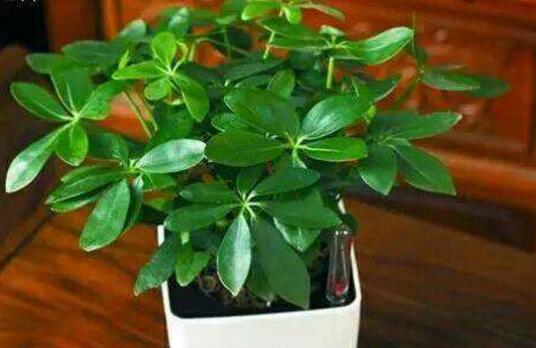
Schefflera arboricola is a relatively easy plant to grow, with average requirements for environment and methods. It likes a warm, humid, semi-sunny environment; its soil requirement is fertile acidic soil, and it can tolerate slightly poor soil; it has fairly strong cold tolerance, with a suitable temperature of 16-27°C. Below 0°C it may suffer frost damage, and with high humidity it grows vigorously, so it is very easy to grow.
How to grow Schefflera arboricola
1. Light
Schefflera arboricola can adapt to many kinds of light conditions. For example, it can grow normally in full sun, partial sun, or semi-shade. However, to make its leaf color deeper green, it needs suitable light. If the light is relatively strong, the leaf color will be on the lighter side, while in semi-shade its leaf color will be on the greener side, and in bright light the colors will be more vivid.
2. Soil
Schefflera arboricola can survive in slightly poor soil, but in the growing methods and precautions for Schefflera arboricola, you should try to create suitable soil conditions for it. For example, fertile, loose, well-drained acidic soil is best, preferably made by mixing peat soil, leaf mold and coarse sand.
3. Temperature
The more suitable growing temperature for Schefflera arboricola is 16-27°C. At 30°C it can grow normally, but if it gets any higher, growth may stall. Its cold tolerance is moderate. In winter, the temperature should not fall below 5°C. In a 0°C environment it is very easily frost-damaged, and heavy leaf drop will occur.
4. Watering
Schefflera arboricola likes a relatively humid environment and is fairly afraid of dryness. If moisture is relatively sufficient, its stems, leaves and roots will be very lush, but too much water will cause root rot. So when it comes to watering, how do you grow Schefflera arboricola? In summer, water once a day; when the air is dry, spray water on the leaf surface; in spring and autumn, water twice a week; in winter, reduce watering.
5. Fertilizing
From March to September, Schefflera arboricola grows fastest, so in the growing methods and precautions for Schefflera arboricola, fertilizing at this stage must be reasonable. Generally, fertilize once every 2-3 weeks, mainly with compound fertilizer and cake fertilizer water.
Precautions for growing Schefflera arboricola
1. Shaping and pruning. Schefflera arboricola sprouts new branches relatively easily. If new branches are not pruned in time, leggy growth may occur, so during regular care, pay attention to pinching and thinning, etc. This can maintain a good plant shape and also promote the sprouting of side branches.
2. Repot regularly. The nutrients contained in the soil are limited. After Schefflera arboricola has been grown for 1-2 years, the nutrients in the soil will have been absorbed. To maintain enough nutrients, the potting soil needs to be replaced regularly. Generally, the potting soil needs to be replaced once every 1-2 years in spring.
3. Control light. The leaf color of Schefflera arboricola is directly related to light, so if you want the leaf color to look better, you need to reasonably control light. In summer, you can give it a semi-shady environment, while in winter it can have full sun, which can make the leaves more verdant.
How to grow Schefflera arboricola? Home growing methods and precautions for Schefflera arboricola
Schefflera arboricola has lush green leaves, and its glossy, shiny leaves have a very good effect on greening a home environment, so many people place Schefflera arboricola in living rooms, studies and other places. So how should Schefflera arboricola be grown? Next, we will introduce the home growing methods and precautions for Schefflera arboricola.
Image: Schefflera arboricola
I. Growing methods for Schefflera arboricola
1. Soil selection
The planting soil for Schefflera arboricola requires deep, loose and fertile soil. For home potted plants, generally use leaf mold or peat soil, garden soil, plus 1/4 river sand or perlite, evenly mixed and prepared. To ensure the soil is fertile, a small amount of cake fertilizer can be added to the soil as a base fertilizer.
2. Potting and planting
Choose healthy young seedlings with well-developed, intact root systems, and plant them in pots in late autumn or before sprouting in spring. Before planting, lay a layer of tile fragments at the bottom of the container, add a small amount of nutrient soil, and after placing the plant into the flower pot, add a small amount of soil so the roots and soil are closely combined. Then water thoroughly and compact the soil. After the newly potted plant is established, it should first be placed in semi-shade for a week, then gradually moved to a sunny place for normal management.
3. Watering management
Schefflera arboricola grows well in an environment with high air humidity and sufficient soil moisture. In daily care, pay attention to replenishing water in time, but do not let water accumulate, otherwise it will cause a large amount of leaf drop. Under low-temperature conditions in winter, pay attention to controlling water.
If Schefflera arboricola is grown in a plastic flower pot, pay attention to timely drainage. When watering, water in time before the soil dries out completely, keeping the soil moist at all times. When the weather is dry, spray around the plant, and during the plum rain season pay attention to rain protection to avoid water accumulation in the pot.
4. Sunlight and temperature requirements
Schefflera arboricola likes a semi-shady environment and is suitable for care in a place with plenty of bright, scattered light, so placing one at home is simply ideal. As long as the light at home is bright, it can be enjoyed for a long time. In winter it can be moved near a south-facing window, and in spring and autumn the flower pot can be moved outdoors to a well-ventilated place for a period of care, but pay attention to proper shading to avoid leaves turning yellow and withered from direct sun exposure.
Schefflera arboricola is not cold-tolerant. In winter, the room temperature should be kept above 10°C. If the room temperature stays below 8°C for a long time, the leaves will gradually turn yellow and wither, and if it drops below 0°C, it will cause leaf drop. So winter, the hardest season for Schefflera arboricola, requires good control of indoor temperature.
Image: Schefflera arboricola
5. Repotting and pruning
Schefflera arboricola needs to be repotted once every spring. If using a plastic pot, note that the soil should be slightly looser.
Schefflera arboricola grows relatively quickly and easily sprouts leggy branches, so once it becomes a mature plant it needs frequent shaping and pruning to keep the plant shape neat and attractive. Schefflera arboricola grown for many years has perennial old branches, and the plant shape may become too large. When new buds sprout each year, heavy pruning can be carried out together with repotting, cutting back branches, leaves and old roots.
II. Precautions for growing Schefflera arboricola
If Schefflera arboricola was obtained by cuttings, do not rush to repot it before it has taken shape. Wait until growth is obvious before repotting. Usually, repot after 2-3 years of growth, and then once a year afterward.
Create a comfortable care environment. Ensure suitable temperature, suitable conditions for both drought and waterlogging, timely watering, timely spraying of water on the leaf surface in summer, and sufficient light duration.
That is all for the introduction to the home growing methods and precautions for Schefflera arboricola. Schefflera arboricola can absorb secondhand smoke and purify the air. It is a very good home plant and very worth growing a pot of at home.
Growing methods and precautions for Schefflera arboricola (Heptapleurum arboricola)
Choose soil suitable for Schefflera arboricola growth
The planting soil for Schefflera arboricola requires deep, loose and fertile soil. For home potted plants, generally use leaf mold or peat soil, garden soil, plus 1/4 river sand or perlite, evenly mixed and prepared. To ensure the soil is fertile, a small amount of cake fertilizer can be added to the soil as a base fertilizer.
How to pot and plant Schefflera arboricola
Choose healthy young seedlings with well-developed, intact root systems, and plant them in pots in late autumn or before sprouting in spring.
Before planting, lay a layer of tile fragments at the bottom of the container, add a small amount of nutrient soil, and after placing the plant into the flower pot, add a small amount of soil so the roots and soil are closely combined. Then water thoroughly and compact the soil. After the newly potted plant is established, it should first be placed in semi-shade for a week, then gradually moved to a sunny place for normal management.
How to water Schefflera arboricola
Schefflera arboricola grows well in an environment with high air humidity and sufficient soil moisture. In daily care, pay attention to replenishing water in time, but do not let water accumulate, otherwise it will cause a large amount of leaf drop. Under low-temperature conditions in winter, pay attention to controlling water.
If Schefflera arboricola is grown in a plastic flower pot, pay attention to timely drainage. When watering, water in time before the soil dries out completely, keeping the soil moist at all times. When the weather is dry, spray around the plant, and during the plum rain season pay attention to rain protection to avoid water accumulation in the pot.
Sunlight and temperature requirements for Schefflera arboricola
Schefflera arboricola likes a semi-shady environment and is suitable for care in a place with plenty of bright, scattered light, so placing one at home is simply ideal. As long as the light at home is bright, it can be enjoyed for a long time. In winter it can be moved near a south-facing window, and in spring and autumn the flower pot can be moved outdoors to a well-ventilated place for a period of care, but pay attention to proper shading to avoid leaves turning yellow and withered from direct sun exposure.
Schefflera arboricola is not cold-tolerant. In winter, the room temperature should be kept above 10°C. If the room temperature stays below 8°C for a long time, the leaves will gradually turn yellow and wither, and if it drops below 0°C, it will cause leaf drop. So winter, the hardest season for Schefflera arboricola, requires good control of indoor temperature.
Repot and prune Schefflera arboricola in time
Schefflera arboricola needs to be repotted once every spring. If using a plastic pot, note that the soil should be slightly looser.
Schefflera arboricola grows relatively quickly and easily sprouts leggy branches, so once it becomes a mature plant it needs frequent shaping and pruning to keep the plant shape neat and attractive. Schefflera arboricola grown for many years has perennial old branches, and the plant shape may become too large. When new buds sprout each year, heavy pruning can be carried out together with repotting, cutting back branches, leaves and old roots.
Precautions for growing Schefflera arboricola
If Schefflera arboricola was obtained by cuttings, do not rush to repot it before it has taken shape. Wait until growth is obvious before repotting. Usually, repot after 2-3 years of growth, and then once a year afterward.
Create a comfortable care environment. Ensure suitable temperature, suitable conditions for both drought and waterlogging, timely watering, timely spraying of water on the leaf surface in summer, and sufficient light duration.