-
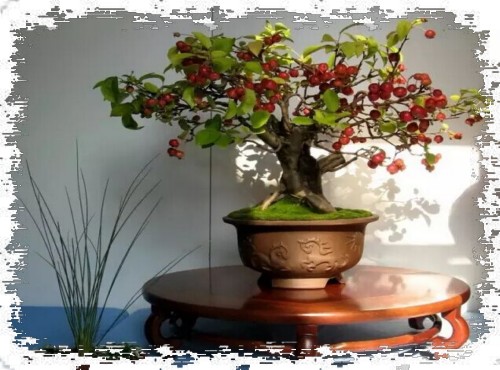
How to Make a Hawthorn Bonsai and Detailed Steps
Hawthorn, also known as Chinese hawthorn or hawthorn fruit, is a deciduous shrub or small tree of the genus Crataegus in the rose family (Rosaceae). The plant is much branched, with dark brown bark and branches that are thornless or have few thorns; the leaves are triangular-ovate or rhombic-ovate, deep green and glossy on the upper surface, with sparse irregular serrations along the edges. The corymbose inflorescences emerge from the branch tips or upper leaf axils
-
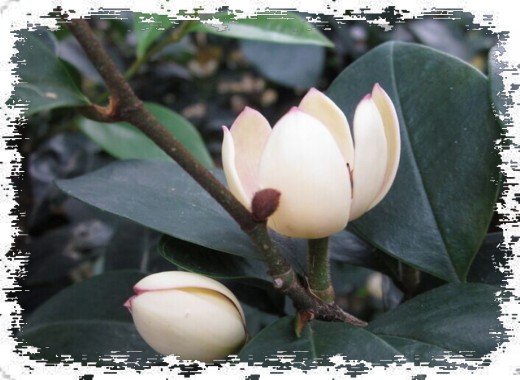
Detailed Explanation of the Production Method and Steps for a Michelia Bonsai
Michelia, also known as Pidai Xiang and Shanzhenzi, is an evergreen shrub or small tree of the genus Michelia in the family Magnoliaceae. Together with ginkgo, it belongs to the Mesozoic tree species that survived after the Quaternary glaciation, and is commonly known as a "living fossil." Although no true wild place of origin has yet been discovered, it is found in broad-leaved or coniferous open forests of the eastern Yunnan and central Yunnan plateaus
-
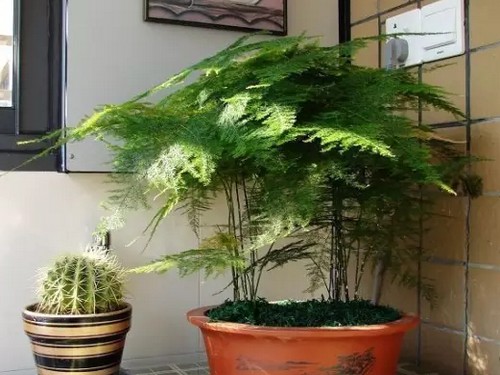
Detailed Guide to the Methods and Steps for Making Bamboo Bonsai
Bamboo is elegant and graceful, refined and classic. Used to make small bamboo bonsai to accent a room, it has a very distinctive charm. There are many varieties of bamboo, and for making bamboo bonsai, small bamboos with thin, short culms and narrow little leaves are best, such as Buddha belly bamboo, square bamboo, Guanyin bamboo, black bamboo, and white jade bamboo. For transplanting bamboo, it is best in spring to select one- or two-year-old
-
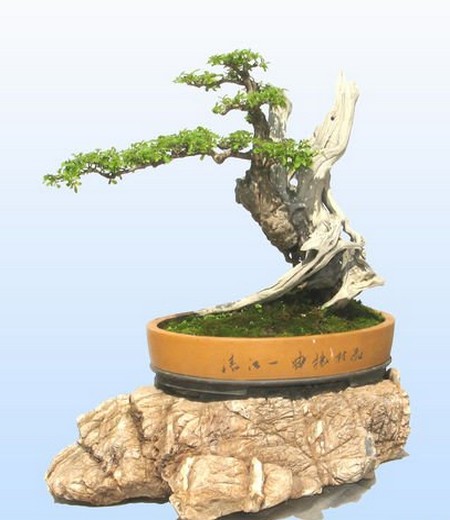
Detailed Guide to the Methods and Steps for Making a Vitex Bonsai
Vitex negundo, a deciduous shrub or small tree, belongs to the genus Vitex in the family Verbenaceae. The genus contains about 200 species, and Vitex negundo var. cannabifolia is one of them. Vitex negundo var. cannabifolia is an excellent tree species for making and cultivating bonsai. Vitex negundo can be made into many forms of stump bonsai.
-
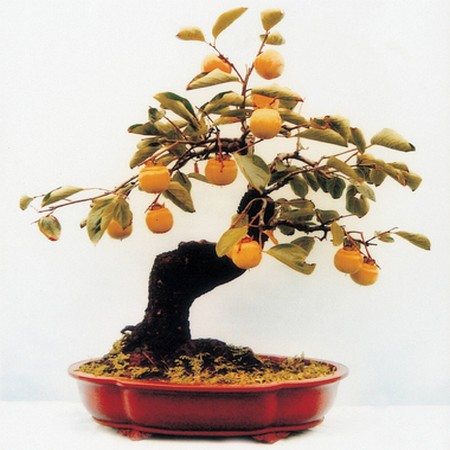
How to make a persimmon bonsai? Detailed methods and steps
The trunk of a persimmon bonsai is ancient and peculiar, sturdy and twisted; when the trunk is slanted, the strong branches stretch across the air in a natural and orderly way. A single tree with multiple trunks of uneven height, exposed roots and claws, and sparse branches and leaves, has a unique style, magnificent and deep. The curves and straightness between trunk and branches vary, stretching freely, embodying both the charm of mountain forests and a unique artistic flavor. Young branches are tender green and glossy
-
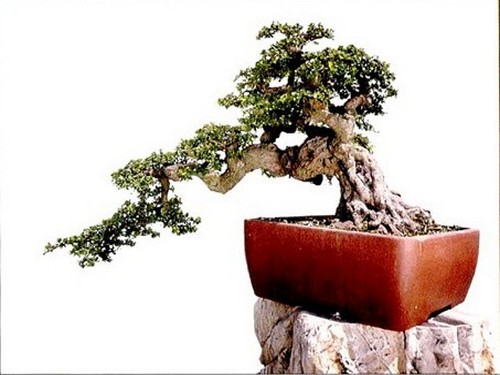
How to make a Fujian tea bonsai? Detailed steps and methods shared
Fujian tea is produced in Guangdong, Fujian, Taiwan, China and other provinces in southern China. It is also distributed in the tropical regions of South and Southeast Asia. Fujian tea, also known as Carmona retusa and cat tree, is an evergreen shrub of the Boraginaceae family. The leaves are small, oblong-elliptic, dark green and glossy. In spring and summer it bears small white flowers, and the drupe is spherical, initially green and later red. Its trunk is rugged
-
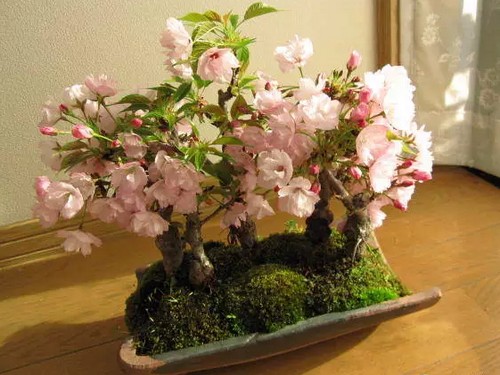
How to make a cherry blossom bonsai, a detailed step-by-step guide
Cherry blossoms have bright, vivid colors and lush, vigorous branches and leaves. They are an important flowering tree species for early spring and are often used for garden viewing. They can be planted in groups, and can also be planted on hillsides, in courtyards, along roadsides, and in front of buildings. When in full bloom, the flowers are abundant and gorgeous, the whole tree is splendid, like clouds and rosy clouds, extremely spectacular. They can be planted in large patches to create a sea of flowers landscape
-
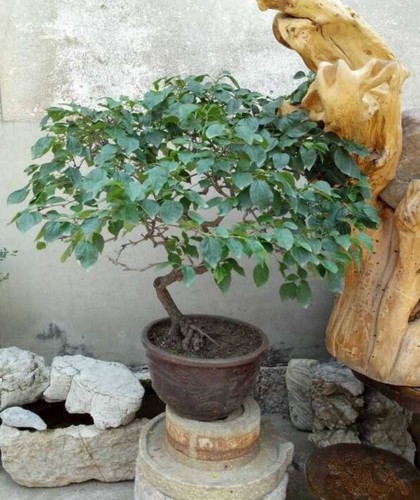
How to make a lilac bonsai, step-by-step guide
Lilac is a shrub or small tree, up to 5 m tall; bark grayish-brown or gray. Branchlets, inflorescence rachis, pedicels, bracts, calyx, both surfaces of young leaves, and petioles are all hairless but densely covered with glandular hairs. Branchlets are relatively thick, with sparsely scattered lenticels. Leaves are leathery or thickly papery, ovate to reniform; the panicle is upright, emerging from lateral buds.
-
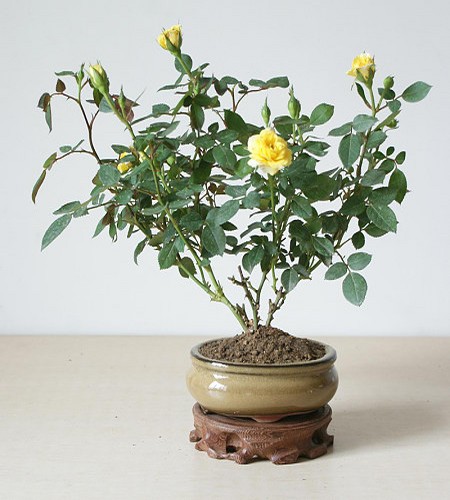
Detailed Guide to the Methods and Steps for Making Rose Bonsai
Roses have long enjoyed the reputation of being the queen of flowers, with their brilliant and colorful blooms and graceful bearing. Besides being grown in pots, planted in the ground for ornamental viewing, and used as cut flowers, they can also be made into bonsai. The roots and trunks of roses are vigorous and quaintly aged. In early spring, the whole tree is covered with new buds and tender leaves, either red or green, fresh and pleasant, giving a sense of vitality; from late spring to autumn, the branches are full of flowers
-
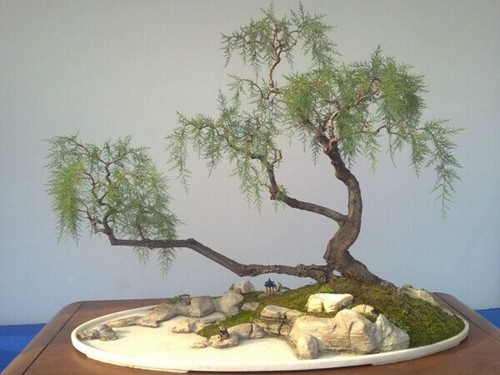
Detailed Explanation of the Methods and Steps for Making a Tamarisk Bonsai
Tamarisk has fine branches and small leaves, with drooping branches that are graceful and charming, resembling a weeping willow; its trunk is like iron, ancient and peculiar, possessing the quality of pine and cypress; it blooms three times a year with a long flowering period, and the pink flowers cover the branches, making it even more enchanting; its roots are like roaming dragons, with wonderful forms, whether viewing roots, trunks, leaves, or enjoying flowers
条件筛选