-
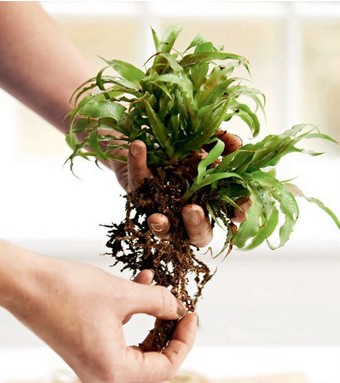
Moss Ball Bonsai Making Method and Detailed Steps
Kokedama is both a plant and a planting method. It originated in the Edo period of Japan and is one of the forms of Japanese bonsai, with a very long history. The distinguishing feature of kokedama bonsai is that no hard materials are used when shaping it; instead, only the plant's roots are wrapped in soil to form a round ball, and then moss is applied to the outside.
-
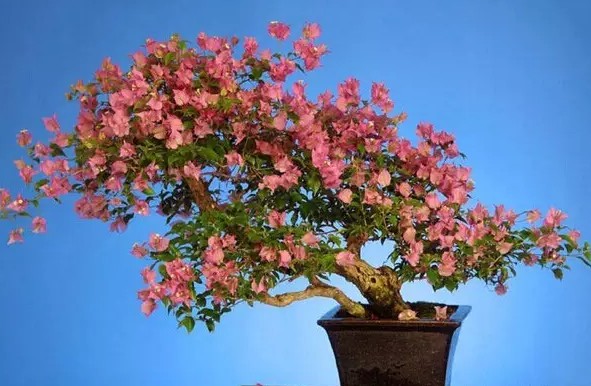
A detailed guide to making bougainvillea bonsai, step by step
Making bougainvillea bonsai is relatively easy. Depending on the condition of the potted plant, it can be trained into different styles such as single-trunk, double-trunk, slanting-trunk, curved-trunk, lying-trunk, water-and-land, waterside, cascade, pagoda, and flower-basket styles. The shaping method is mainly pruning, with tying and binding as a supplement
-
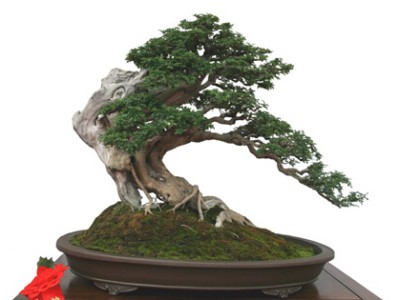
Detailed Explanation of the Methods and Steps for Making Juniper Bonsai
Juniper, also known by people as Chinese juniper, is an evergreen tree of the Cupressaceae family. Because it can be enjoyed in all four seasons, it has relatively high ornamental value and is also widely used in landscape design, making it a tree species deeply loved by people. Although its landscape application is the most common way it is used
-
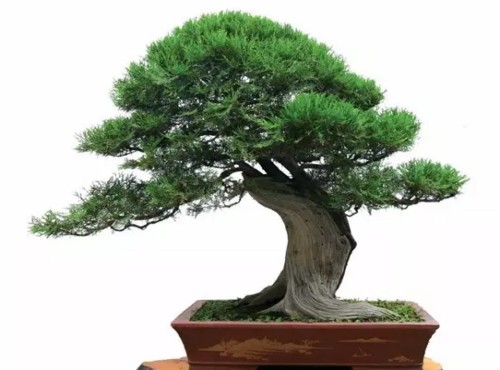
Detailed guide to making Chinese arborvitae (Platycladus orientalis) bonsai, shaping it step by step
Chinese arborvitae (Platycladus orientalis), of the cypress family and the genus Platycladus. It is vigorous and not particular about soil, but grows slowly and lives extremely long; ancient trees over a thousand years old can be seen everywhere. Chinese arborvitae bonsai has high ornamental value; to maintain its graceful posture, you must spray when watering. Rinse the dust and dirt off its leaves, branches and trunk, and the surface of the pot, which helps with light exposure
-
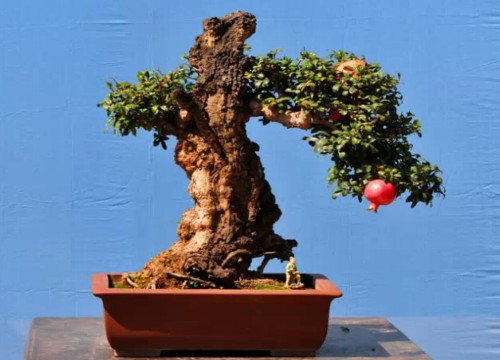
Detailed explanation of pomegranate bonsai making techniques, step by step teaching you how to do it
The pomegranate is a deciduous tree or shrub of the genus Punica in the family Lythraceae. It blooms in summer, with large and brightly colored flowers and a long flowering period, making it a relatively good tree species for viewing flowers, fruits, leaves, and form. There are many pomegranate varieties, mainly divided into fruit pomegranates grown mainly for fruit and flowering pomegranates grown mainly for flowers. Pomegranates like warmth and sunlight, are cold-resistant and drought-resistant, and are not tolerant of waterlogging.
-
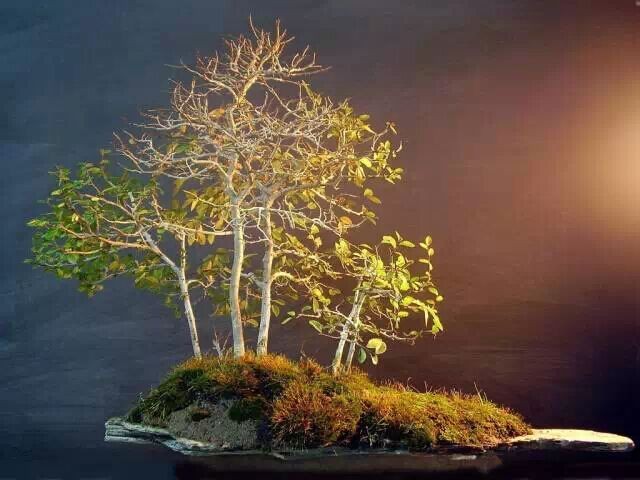
How to make a group-planted bonsai? A detailed step-by-step guide
So-called group planting means growing three or more individual trees in a flat pot or shallow pot to display a forest form. Some even have as many as several dozen trees, and as the number of trunks increases, the sense of lushness they present becomes stronger. When planting, each pot is mostly based on the principle of using the same tree species, because in this way it is not only beneficial for cultivation
-
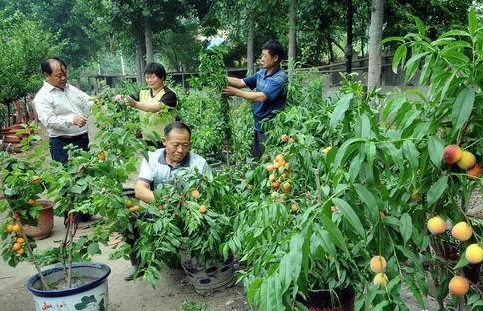
Detailed guide to making fruit tree bonsai, a step-by-step tutorial to help you learn it easily
Fruit tree bonsai often have a different ornamental effect from ordinary bonsai; they have a bit more vitality and liveliness than ordinary bonsai, rather than being so solemn and mature. When a fruit tree bonsai has too many branches, it easily causes the tree's nutrients to be dispersed. Therefore, before the fruit tree buds in spring
-
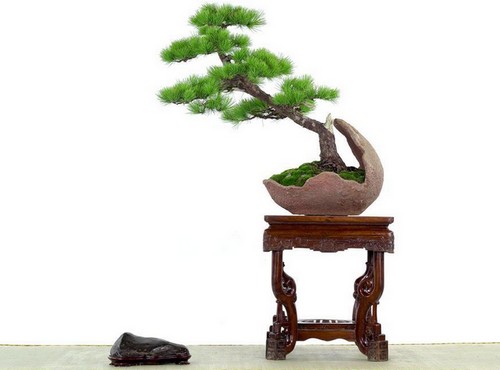
Detailed Explanation of the Methods and Steps for Making Literati-Style Bonsai
Literati-style bonsai is more about expressing oneself, while Suren-style is more about one's relationship with the world, placing oneself within the whole world. Therefore, in terms of the styling expression of bonsai, literati-style bonsai wins through various kinds of elegance and refinement, and what it expounds is how the tree form itself stretches out, elegant and refined
-
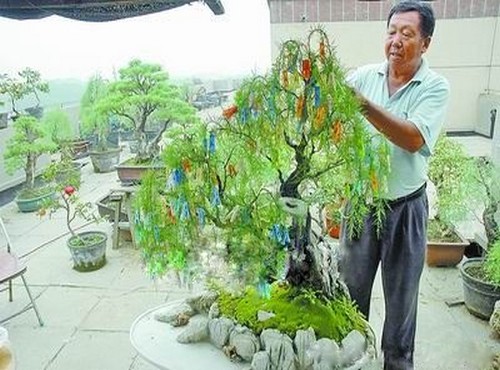
A detailed guide to making a goji berry bonsai, teaching you step by step
Goji berry likes light, tolerates slight shade, tolerates drought, tolerates cold, has no strict requirements for soil, tolerates poor soil, and can even grow in stone crevices; it can adapt to neutral soil, calcareous soil, and saline-alkali soil. It is an indicator plant for calcareous soil and has very strong sprouting ability. Goji berry is a semi-evergreen shrub, with branches forming a vigorous arching shape; the roots are like wandering snakes, gnarled and full of varied forms; in the autumn and winter season
-
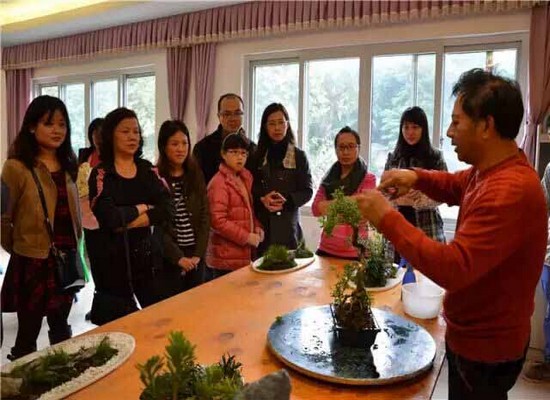
Detailed Explanation of Repotting, Potting and Making Steps for Small Bonsai
Instructor introduction: Chen Wanjun, Lingnan bonsai artist, president of the Jianghai District Flowers and Trees Bonsai Association
条件筛选