-

How to repot a miniature bonsai? Detailed correct method and steps
Repotting a bonsai is mainly done to improve the growing space for the plant's roots, so that the roots do not develop problems due to limited space, and after repotting new nutrients can be added, thereby better promoting plant growth. Not only do ordinary bonsai need regular repotting, even the seemingly very delicate miniature bonsai also need timely repotting
-
How to prevent and control edible mushroom diseases? Five-step control method for flower gray mold
Five steps to control flower gray mold
-
Five key steps for winter care of clivia, and methods for preventing and controlling edible fungus pests and diseases
Five key steps for winter care of clivia
-
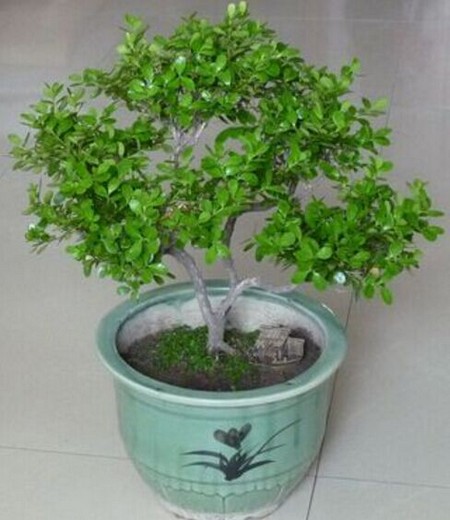
How to grow a boxwood bonsai? A step-by-step guide to care methods
Boxwood bonsai, because of its slow growth and its lush, verdant, vigorous and sturdy appearance all year round, among bonsai of many tree species, although it lacks the excessive luxury and flamboyance of high-end flowers and plants, conquers viewers with its steady, solid style and masculine character, making it highly favored by the broad community of bonsai enthusiasts, who regard it as a premium species among bonsai trees.
-
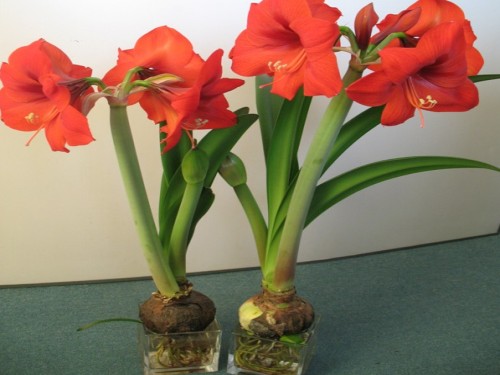
A detailed guide to growing Hippeastrum (amaryllis) in water, a step-by-step tutorial
In the blooming season where spring meets summer, the Hippeastrum delights the eye with two flowers borne opposite each other on the scape. Its blooms are large and brightly colored, funnel-shaped and much like a lily, making it highly ornamental. The Hippeastrum, also known as amaryllis, is a perennial herbaceous flower of the Amaryllidaceae family.
-
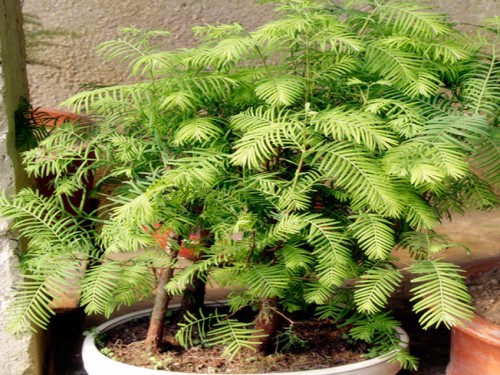
Correct methods and detailed steps for repotting a dawn redwood bonsai
The dawn redwood (Metasequoia glyptostroboides) is a "living fossil" tree species, with a straight, tall, upright trunk, a magnificent tree form, and emerald-green foliage that turns golden yellow in autumn. It is an autumn-foliage ornamental tree and a famous courtyard ornamental tree. It can be grown as a dawn redwood bonsai for appreciation, and can also be planted as a specimen, in rows, or in groups in parks, courtyards, lawns, and green spaces. The dawn redwood can also be planted in large stands to create scenic forests
-
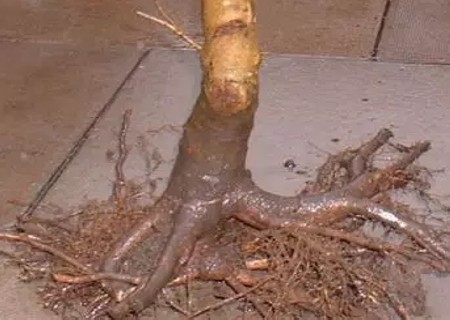
How to add roots to a maple bonsai? Full process illustrated step-by-step guide
The roots of a plant are the main source of artistic beauty in stump bonsai. One-sided roots (roots of a potted plant developing toward one side) when the plant is young will become more obvious as time goes on, and during cultivation the exposed roots will inevitably be damaged for various reasons, until the ornamental effect of the bonsai is affected
-
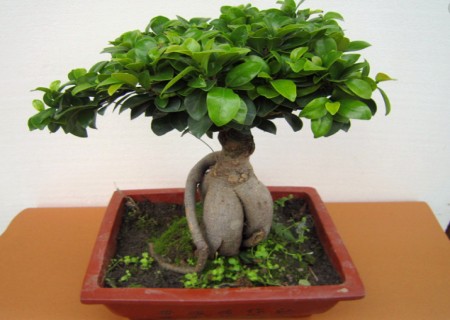
The Correct Method and Detailed Steps for Repotting a Ficus Bonsai
Ficus bonsai generally need repotting once every 2 years, and the timing for repotting is generally set after the ficus enters dormancy, that is, the two periods of early spring or late autumn. When repotting a ficus, the potting soil should be adjusted; a suitable amount of fully decomposed organic matter can be added to the potting soil
-
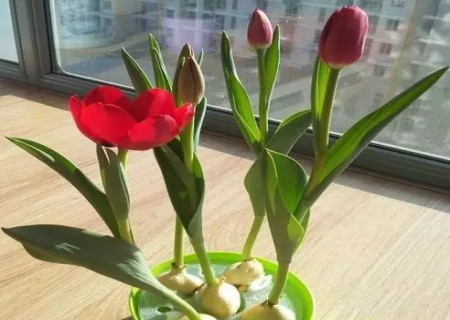
Hydroponic Tulip Growing Methods and Steps
Friends who love flowers all know that tulips are beautiful. Compared with hyacinths, once you have seen tulips, it is hard to make room in your eyes for hyacinths again. But tulips, like hyacinths, can be grown hydroponically in addition to soil cultivation. However, compared with soil cultivation, it seems everyone prefers hydroponics
-
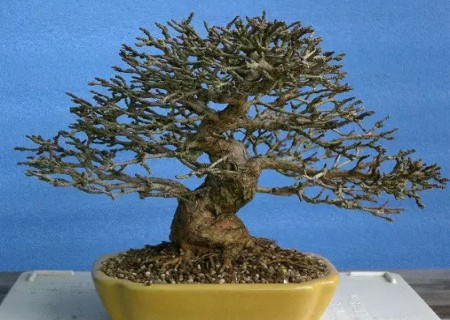
Illustrated guide to bonsai repotting methods, easy to learn with detailed steps
Everyone knows that the growing space for bonsai plants in a pot is limited after all. If they are not repotted for a long time, it may cause many growth problems, such as roots being unable to continue extending and showing signs of aging, the potting soil being unable to provide more nutrients, and pests and diseases invading the soil. Therefore, we need to repot them at the right time.
条件筛选