-
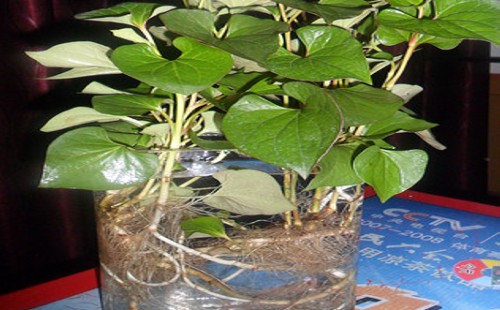
How to grow Houttuynia cordata (fish mint) hydroponically? A step-by-step guide to the specific method
Houttuynia cordata (fish mint) can not only be used as medicine, but can also be eaten. Because Houttuynia cordata has extremely high nutritional value, it is generally served as a cold dressed dish, but it can also be used as a seasoning to make dishes. Houttuynia cordata is very popular among people in southern regions, so it is widely cultivated
-
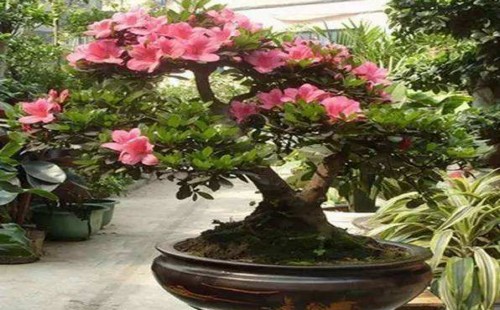
Detailed Guide to Repotting Methods and Steps for Satsuki Azalea Bonsai
Satsuki azaleas have diverse flower forms and rich colors. Especially during the flowering period, the flowers basically become the star of the bonsai, naturally making them the greatest ornamental highlight. However, Satsuki azalea bonsai also needs to be repotted regularly. Especially when it has grown in the original pot for too long, the soil becomes compacted, which reduces the efficiency of watering and fertilizing, resulting in a lack of nutrients in the pot.
-
-
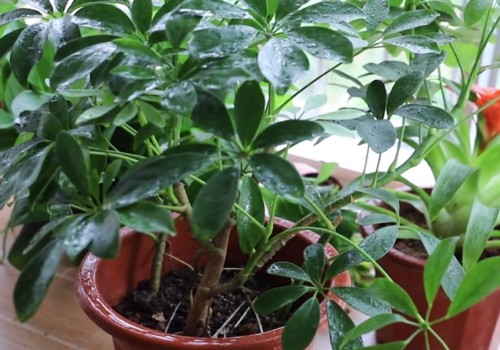
How to grow Schefflera arboricola? A step-by-step guide to its care
The leaves of Schefflera arboricola closely resemble a duck's foot, which is very vivid and distinctive, making it an easy-to-identify flowering plant. Since Schefflera arboricola stays evergreen all year round, has strong ornamental value, and can nicely accent and beautify its surroundings, many plant enthusiasts grow it as a potted plant for enjoyment. However,
-
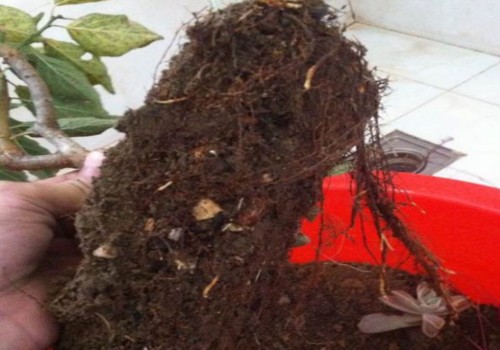
The correct method and operating steps for changing the soil of a plum blossom bonsai
Plum blossom is a flowering plant with fairly strong ornamental value, very suitable for flower viewing. After being trained into a bonsai, it can also be appreciated for its form and even its roots. Moreover, plum blossom is not strict about potting soil; usually, as long as it can meet the conditions of being fertile and loose, breathable and well-draining, it can often survive. But after all, it is grown in a pot
-
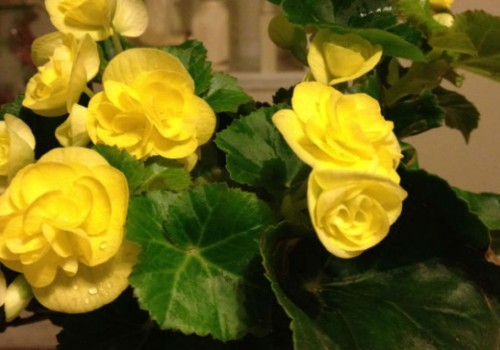
How to grow Rieger begonia in water? Detailed methods and steps
There are many fans of the Rieger begonia, not only because of its elegant flower form and rich colors, but also because as a potted plant it is quite suitable for foliage viewing, with broad emerald-green leaves and brilliant flowers clustered together, both elegant and beautiful. However, this flowering plant, the Rieger begonia, has relatively high requirements for its growing environment
-
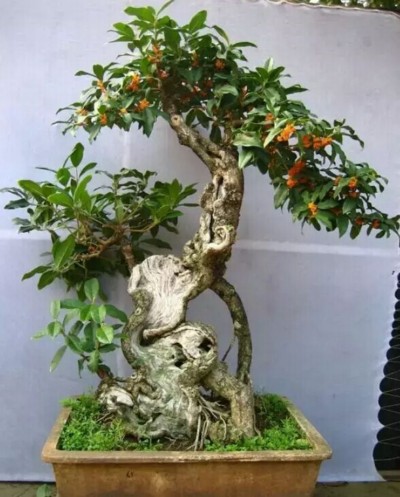
Detailed Explanation of Osmanthus Bonsai Grafting Methods and Operation Steps
Osmanthus has luxuriant branches and leaves, stays evergreen through all four seasons, with gnarled roots and graceful posture, brilliant flowers and rich fragrance. It also has biological characteristics such as strong sprouting ability, tolerance to pruning, and long lifespan, making it an excellent tree species for making tree bonsai. The process of making osmanthus bonsai is complex, learning from nature, and wonderfully exquisite
-
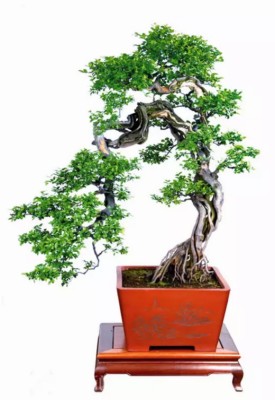
How to Make a Sageretia bonsai: Methods and Steps
Sageretia, also known as duijieci, sageretia vine, sour fruit, and sour-seed tree, is a deciduous climbing shrub of the genus Sageretia in the Rhamnaceae family. The bark is grayish brown, and the slender branchlets bear thorns. The simple leaves are opposite, ovate or elliptical, with finely serrated edges, thinly leathery and bright green. In autumn and winter it produces small pale yellow flowers, and the drupe is nearly spherical, turning purplish black when ripe, edible
-
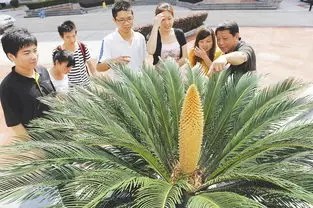
Detailed Explanation of Sago Palm Bonsai Making Methods and Steps
Sago palm is also called iron tree or phoenix-tail banana. Among the common people, the name "iron tree" is used more often for the sago palm. One explanation is that it gets this name because its wood is so dense that it sinks as soon as it enters water, being as heavy as iron; another explanation is that because its growth requires a large amount of iron, even a declining and dying sago palm can be brought back to life if an iron nail is driven into its trunk.
-
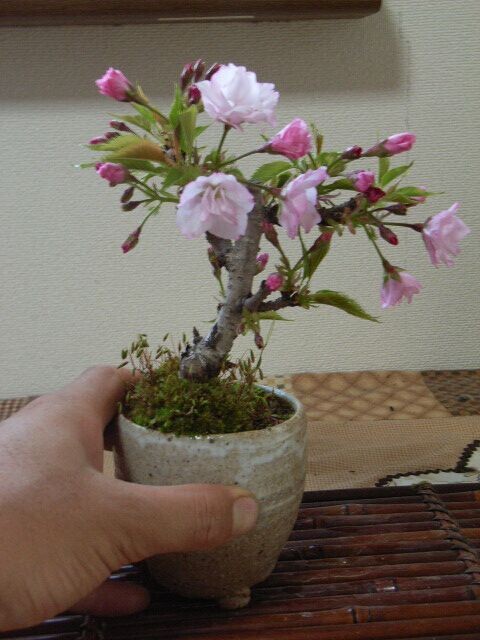
Detailed guide to making a wisteria bonsai, step by step
Wisteria is a large deciduous climbing and twining vine. When wisteria is twined around a flower frame, its branches hang down whenever it blooms, with strings of purple flower clusters suspended among them, creating a romantic and beautiful scene. Because wisteria has a very long lifespan and belongs to the long-lived tree species, it is extremely popular for planting among the people. The stems and vines of mature wisteria wind and twist
条件筛选