Moss Ball Bonsai Making Method and Detailed Steps
Kokedama is both a plant and a planting method. It originated in the Edo period of Japan and is one of the forms of Japanese bonsai, with a very long history. The distinguishing feature of kokedama bonsai is that no hard materials are used when shaping it; instead, only the plant's roots are wrapped in soil to form a round ball, and then moss is applied to the outside. Kokedama can be said to be both a plant, because its main material is moss, and a planting method. It is simple to make, can be hung in the air, and can also be placed on a table as decoration. It is very fresh and stylish.
The moss used to make kokedama is collected from rocks on steep cliffs deep in the mountains. This kind of moss has extremely strong vitality and excellent water retention, and it also has good air permeability. Even after drying, it will still maintain its natural green color. After being sprayed with water, it will quickly revive and once again bloom with the fresh green unique to moss. Kokedama is made entirely by hand, combining natural beauty and craftsmanship beauty in one. Paired with various small plants, it lets you experience the unique artistic conception of one flower, one world!
Materials:
Small tropical plants, peat, akadama soil, moss, fine hemp rope
Steps:
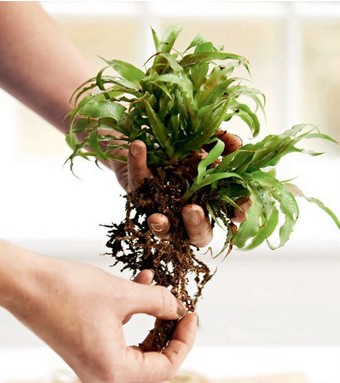
1. Choose a tropical plant, clean the soil off its roots, and wash them with clean water.
2. Mix peat and akadama soil, wrap the mixture around the plant roots, and press it firmly into a ball with your hands.
3. Wrap a layer of moss around the outside of the formed soil ball, and use hemp rope to tie the moss tightly.
4. After it is finished, it can be hung up, or placed in a container.
Tips:
1. Regarding the choice of plant, the advantage of using a tropical plant is that it likes humid environments, which matches the moisture-retaining effect of the moss. However, other plants can also be used to make kokedama, or no plant at all.
2. Regarding daily maintenance, it needs to be sprayed with water multiple times a day to keep it moist, and then given ventilation and appropriate light. When the humidity is insufficient, it will enter a dormant state, but as long as there is water, it can recover.