-
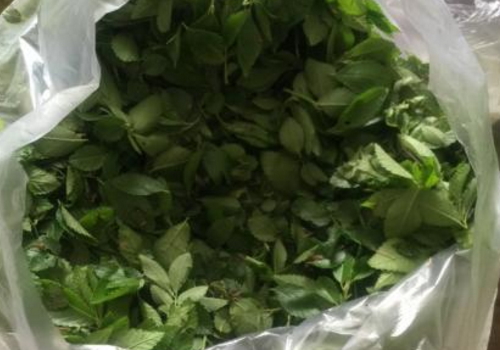
Shape characteristics of elm leaves and solutions for yellowing leaves
Elm leaves, these can be eaten, and eating them has certain benefits for the body. What do elm leaves look like? What to do if they turn yellow? What elm leaves look like: long ovate, leaf margins serrated, leaves relatively thin, veins clear, leaf underside and surface relatively rough. What to do if elm leaves turn yellow: 1. Water yellowing: potting soil waterlogged and wet for a long time
-

What causes red leaves in rapeseed? Causes and solutions
Causes of and solutions for red leaves in rapeseed
-
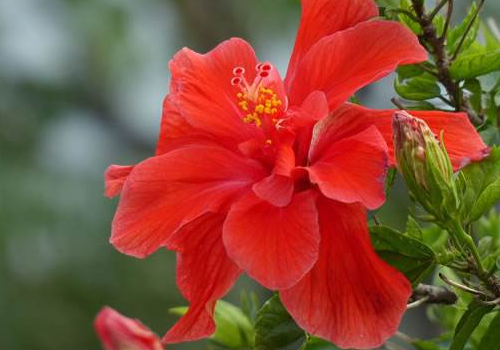
Which country's national flower is the hibiscus? Causes of yellowing leaves and solutions
Hibiscus, this is also a kind of plant, and many people like it. Its flowers are fairly large, and many people like it
-
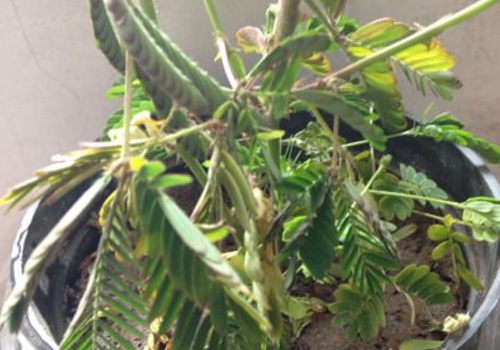
What to Do When Mimosa Leaves Turn Yellow? Causes and Solutions
Mimosa is a relatively easy plant to grow, but there are some things to keep in mind. What do mimosa leaves look like? What should you do if they turn yellow? What mimosa leaves look like: mimosa leaves resemble feathers - they are alternate bipinnate compound leaves, with 2 to 4 pinnae on the common petiole arranged in a palmate pattern.
-
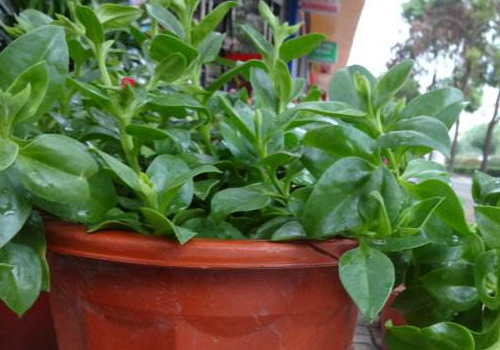
Can Aptenia cordifolia be grown in water? Solutions for soft leaves
Aptenia cordifolia loves light. Except for appropriate shading at noon in midsummer, it should be given sufficient light at all other times of the year. Can Aptenia cordifolia be grown in water? What to do if the leaves are soft: Can Aptenia cordifolia be grown in water: Aptenia cordifolia can be grown in water. Prepare water and disinfect. Clean the glass bottle thoroughly and pour in a small half-bottle of clean water.
-
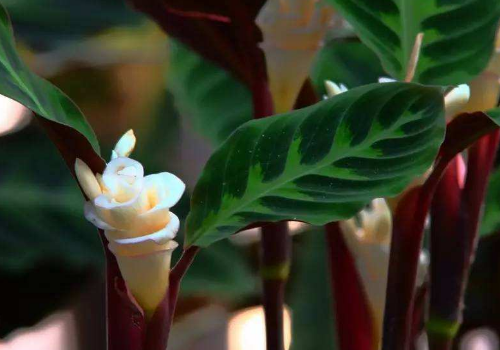
When Does the Velvet Calathea Bloom? Reasons for Not Blooming and Solutions
The velvet calathea can effectively absorb harmful substances from the air, which greatly improves the home environment. When does the velvet calathea bloom? What to do if it does not bloom: When does the velvet calathea bloom: The flowering period of the velvet calathea is from May to June each year. The capitulum is ovate, about the size of a goose egg.
-
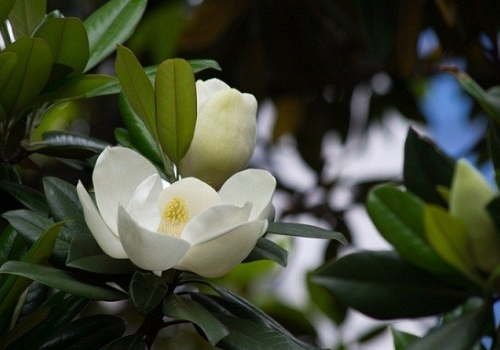
When Does the Southern Magnolia Bloom? Causes of Yellowing Leaves and Solutions
Caring for the southern magnolia does require a bit of attentiveness for it to bloom abundantly. When does the southern magnolia bloom? What to do about yellowing leaves: When does the southern magnolia bloom: The southern magnolia generally blooms from April to June, most commonly from mid-April to early May. Southern magnolias bloom at different times.
-
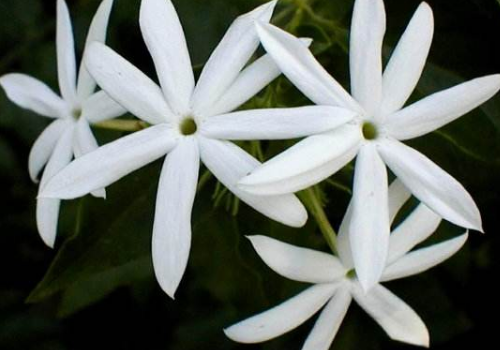
How to grow Jasminum multiflorum and solutions to common pests
Jasminum multiflorum is a flower very similar to jasmine. How do you grow Jasminum multiflorum? Solutions to common pests: How to grow Jasminum multiflorum: 1. Planting: For potted Jasminum multiflorum, every 2-3 years, repot in March or after flowering. The potting soil can be mixed with 2 parts garden soil, 1 part compost, and 1 part sand.
-
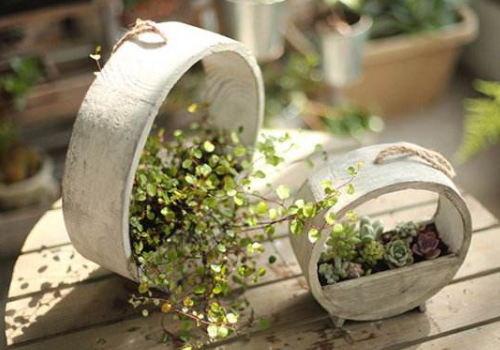
Causes and Solutions for Yellowing Leaves on the Thousand-Leaf Spider Plant
Now let's take a look together at the solutions for yellowing leaves on the thousand-leaf spider plant. What causes the leaves of the thousand-leaf spider plant to turn yellow? How to solve it: What causes the leaves of the thousand-leaf spider plant to turn yellow: The yellowing of the leaves of the thousand-leaf spider plant comes down to the following causes: too-strong light, or insufficient light, is one cause
-
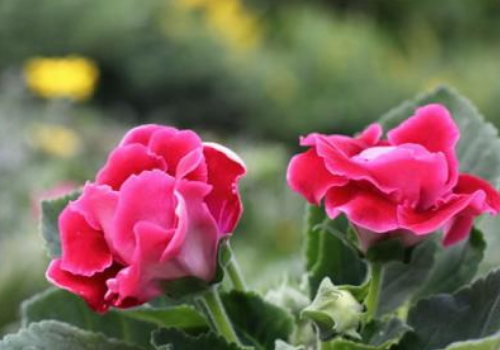
Can Gloxinia be grown hydroponically? Solutions for a rotted tuber
Gloxinia has high ornamental value, and its flowers are also very beautiful. Can Gloxinia be grown hydroponically? What to do if the tuber rots: Can Gloxinia be grown hydroponically: Gloxinia can be grown hydroponically. Gloxinia is a perennial herb in the Gesneriaceae family, genus Sinningia, with a flattened spherical tuber and a very short aboveground stem
条件筛选