-

How to Grow Bird's Nest Fern in Water? Master Temperature, Light, and Water Change Techniques
How to grow bird's nest fern in water? This article introduces the key care points for water-cultured bird's nest fern, including how to select plants and wash the roots, temperature and light requirements, misting and moisture retention techniques, adding nutrient solution, and water change frequency, to help you easily grow a bird's nest fern with glossy green leaves.
-
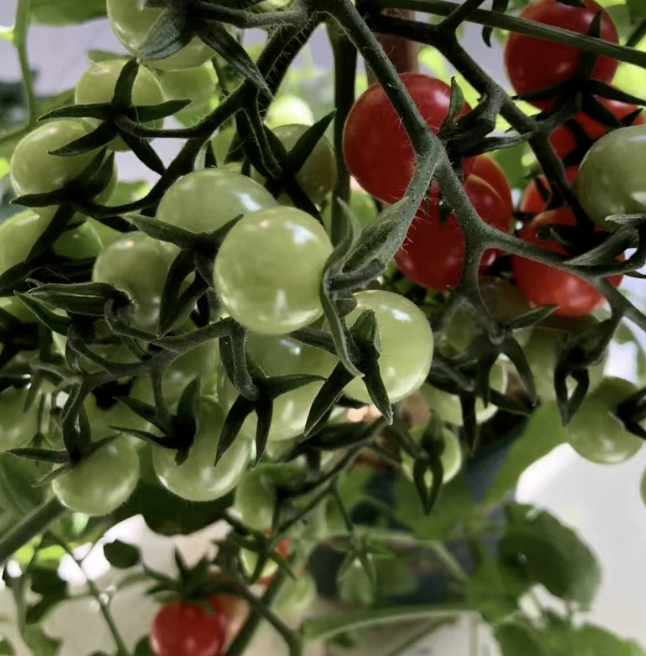
Reasons and Solutions for Cherry Tomatoes Flowering but Not Fruiting
Some tomato growers might find that their cherry tomatoes only flower but don’t bear fruit, and the fruits are small and sour. Don’t worry! Here are some
-
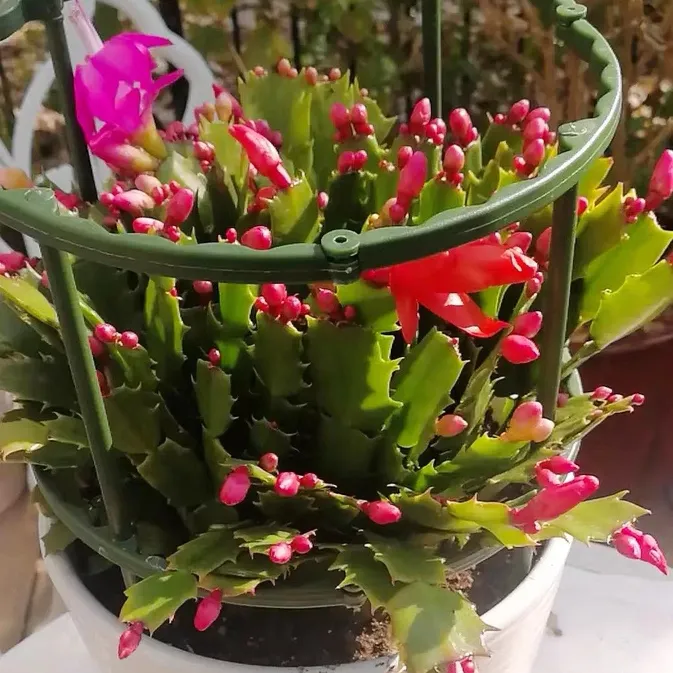
Solutions to Soft Leaves of Schlumbergera (Crab Cactus)
# English Translation Schlumbergera (Crab Cactus) looks particularly vibrant when its fleshy leaves are plump and emerald green. However, a common issue during
-
Reasons and Solutions for Phalaenopsis Leaves Turning to Water and Falling Off
The worst thing about growing Phalaenopsis is encountering leaves turning to water - originally plump leaves suddenly become soft, turn yellow, and rot at the slightest touch. If you are not careful, the pathogens will spread, and the whole plant may even wither! Don't panic, as long as you deal with it promptly, there is a good chance it can be saved ~ Emergency treatment: stop the damage first! Prevent the pathogens from spreading 1. Resolutely remove diseased leaves. When you find leaves
-

Causes and Solutions for Dry Air Roots on Phalaenopsis Orchids
A perfectly healthy Phalaenopsis orchid is growing along, and then suddenly those exposed aerial roots dry up. Some get all wrinkled like shriveled kelp, and others turn dark brown outright. Actually, there is no need to panic about this. First figure out why the aerial roots are drying up, then treat the problem accordingly. Why do aerial roots dry up? The most common reason is air that is too dry. Phalaenopsis
-

What medicine should be used for stem rot in Phalaenopsis? Detailed explanation of causes and solutions
Growers of Phalaenopsis have probably all heard of "stem rot." Once a Phalaenopsis gets this disease, the leaves droop and the stem rots at the core, and if it is not treated in time, the whole plant may die. Today let's talk about how this disease comes about, what medicine to use, and how to save it. How does stem rot find its way in? The main cause is too much moisture,
-

Reasons and Solutions for Yellowing Leaves in Hydroponic Phalaenopsis Orchids
Today I want to share with you the 4 main reasons for yellow leaves in hydroponic Phalaenopsis orchids and the targeted solutions, so your orchid can turn green and lush again. Reason one: temperature too high. The most suitable growing temperature for Phalaenopsis is 15-25°C. Once the ambient temperature stays above 30°C for a long time, the leaves are prone to turning yellow from being "stifled." This is especially true for hydroponic Phalaenopsis, whose roots are directly
-

Can you water Phalaenopsis orchids with nutrient solution only during the flowering period?
Friends who grow Phalaenopsis orchids may have a misconception: they think this flower is precious, that plain water is not enough, and that they need to use nutrient solution every day so it will grow vigorously and bloom beautifully. In fact, this idea is wrong. If nutrient solution is used incorrectly, it harms the flower even more than not fertilizing at all. Can Phalaenopsis orchids be watered with nutrient solution only? The answer is definitely no. Phalaenopsis
-
Causes and Solutions for Root Rot in Hydroponic Phalaenopsis Orchids
Root rot in hydroponic Phalaenopsis orchids? Don't panic! Below, I'll explain how to save the roots, so even orchids with rotten roots can be revived and reborn. Beginners, be sure to save this. Causes of root rot: watering too frequently. Hydroponics does not mean growing the plant submerged in water! Many people think hydroponics means adding water every day, and as a result the roots sit in standing water for a long time. Root rot from lack of oxygen is inevitable. Remember, "moist is not
-
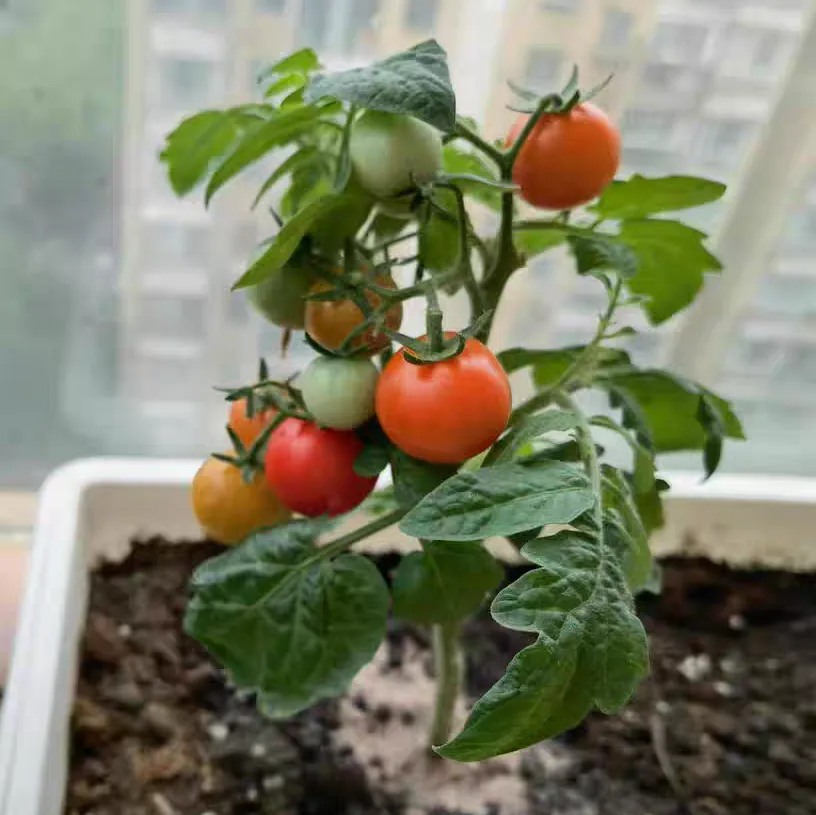
Causes and solutions for excessive growth of tomato seedlings
Have you noticed that your tomato seedlings are growing wildly upwards, with thin stems and sparse leaves recently? Don't panic! Today, I'll show you step by
条件筛选