Shape characteristics of elm leaves and solutions for yellowing leaves
Elm leaves, these can be eaten, and eating them has certain benefits for the body. What do elm leaves look like? What to do if they turn yellow?
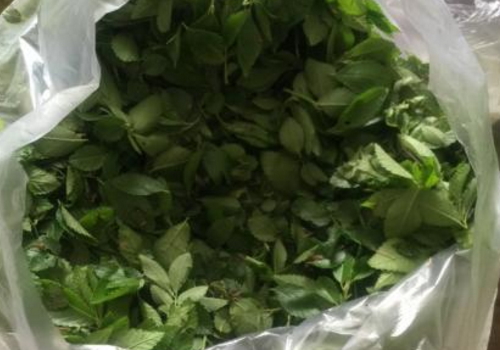
What elm leaves look like:
Long ovate, leaf margins serrated, leaves relatively thin, veins clear, leaf underside and surface relatively rough.
What to do if elm leaves turn yellow:
1. Water yellowing: Potting soil waterlogged and wet for a long time, causing soil oxygen deficiency, which makes part of the root system rot and weakens water and fertilizer absorption. It shows as young leaves dark yellow and lusterless, new shoot tips shrinking, branches and stems thin and yellow-green. When this happens, loosen the soil, control watering, and stop fertilizing. In severe cases, remove from the pot, place in a shaded area to air-dry the root ball, then repot.
2. Fertilizer yellowing: Leaf yellowing caused by excessive fertilizing or too high concentration, especially over-application of nitrogen fertilizer, shows as new leaves thick and glossy, but the leaf surface uneven and not spread out, and old leaves gradually turning yellow and falling off. At this point, stop fertilizing and appropriately increase watering to dilute the nutrients. If potted flowers have insufficient fertilizer and water, or the plant is large and the pot is small, or the root system in the pot is aging or too dense, the leaves of the plant will also become thin and yellow. At this point, repot and change the soil, usually done from Yushui to Lixia.
3. Alkaline yellowing: Potted acid-loving flowers, such as camellia, Aglaia odorata, Michelia figo, rhododendron, jasmine, etc., often develop chlorosis and yellowing due to soil tending toward alkaline reaction. It shows starting between the veins of new leaves at the branch tips, while the veins, especially the main vein, remain green, and the yellow-green alternation is very obvious. As the degree of yellowing worsens, the veins gradually lose green, then the whole leaf turns white, the leaf margins scorch, the leaves drop, and in severe cases the branches
Alright, that is all for the introduction on what to do and the solutions. Everyone understands now, right?
Forestry pest and disease knowledge
Forestry pest and disease knowledge
1. Why do poplar leaves grow white powder, and how to prevent and control it?
This is poplar powdery mildew. The main feature of the disease is the formation of white powdery spots of varying sizes on both sides of the leaves, some spreading to the entire leaf, and sometimes white powder also forms on green branches. By early autumn, yellow-brown to dark brown small black dots develop in the white powder. Powdery mildew develops rapidly in spring and autumn.
Prevention and control methods: (1) Do not plant seedlings too densely in the nursery; thin them out in time to maintain ventilation and light penetration; (2) Prune in time the suppressed lower branches and root-sucker shoots of young trees; (3) Spray pesticides for control. Spraying 25% triadimefon 1000-2000 times dilution has a relatively good control effect, spraying once every 25-30 d (days), for a total of 3 sprays, which can control the disease epidemic.
2. How to identify poplar black spot disease?
This disease occurs in various parts of Jilin Province, harming poplar seedlings and young tree leaves. It usually occurs at the end of June when seedlings grow 3-4 leaves, enters the peak period of incidence in July-August, and ends in September-October. The identification method is that small black dots appear on the underside of the affected poplar leaves, gradually forming black spots. During the rainy season, the black spots connect with each other, rapidly turn black, and dry up and fall off. Severely affected trees become bare stems with withered tips. Small leaves and seedling stems turn black and die completely, and seedling stems become twisted and crooked.
3. How to prevent poplar black spot disease?
Since the pathogenic bacteria overwinter with fallen diseased leaves and infected branch tips, after leaf fall in autumn and before new leaves emerge in the 2nd a (year), fallen diseased leaves and infected branch tips should be thoroughly removed. Plant at reasonable density; seedling density should not be too high. Strengthen management, paying attention to nursery drainage and irrigation.
From mid-May to early July, spray 70% thiophanate-methyl 1500 times dilution once every half month for medicinal prevention and control.
4. What symptoms does poplar gray spot disease have?
Different symptom types can be shown depending on the affected part. On the leaves it is gray spot disease; on the top shoots it is black tip disease, also called black neck disease; on the stem bark it produces swollen stem canker disease. There are mainly the following types:
Gray spot type: The diseased leaf initially develops water-soaked spots, which quickly turn brown, and finally become gray-white, with the area around the lesion brown. Later, many small black dots are produced on the lesion.
Black spot type: After rain or under high humidity conditions, lesions mostly occur from the leaf tip or margin, rapidly developing into large necrotic lesions, with dark green mold layers produced on the lesions.
Withered tip type: After infection by the pathogen, the tender shoots turn black and die, while the branches and leaves above the diseased part remain green, but soon die and turn black. The diseased shoots often bend downward or break at that point, which local people call "black neck."
Swollen stem canker type: On the stem bark of seedlings, oval brown lesions initially appear, 1-4 cm in length, then lose water, sink, and turn black. The center of the lesion gradually turns white, and dark green small dots appear. As the tree grows and the lesion develops, the diseased part swells, cracks longitudinally, and exposes reddened xylem.
5. How to grasp the occurrence pattern of poplar gray spot disease?
This disease occurs commonly in the central and western parts of Jilin Province, harming many poplar varieties, but hybrids of the black poplar section and the Cathay poplar section are most susceptible, among which Xiaoxiaohei, Xiaoqingxiaohei, and Beijing 605 are the most susceptible.
The black poplar section, white poplar section, and their hybrids have mild or no disease. It begins in early June to mid-June, peaks in July-August, and ends in early September.
9. What prevention and control measures are there for poplar gray spot disease?
Do not plant seedlings too densely. When leaves are dense, thin them appropriately, or remove 3-5 lower leaves to improve ventilation and reduce humidity.
Sucker shoots under large trees around the nursery should be removed in time to prevent large-scale reproduction of the pathogen. Seedbeds for cultivating seedlings should be far from large seedling areas.
10. Begin spraying pesticides for control at the end of the month, spraying 65% zineb 500 times dilution, or 70% thiophanate-methyl 600 times dilution, or 50% carbendazim, or 10% shuangxiaoling 100 times dilution, once every 15 d (days), for a total of 3-4 times, all can
achieve relatively good control effects.
11. What are the occurrence pattern and prevention and control measures of poplar swollen stem canker disease?
This disease is the swollen stem canker type of poplar gray spot disease. It can harm seedlings and young trees of many poplar varieties, and the Cathay poplar section and Cathay poplar section hybrids commonly develop the disease. Among them, Xiaoxiaohei, Xiaoqingxiaohei, and Beijing 605 are the most
susceptible. It begins in early June, peaks in July, and stops in September. Swollen stem canker symptoms appear in August-September.
Prevention and control methods: From late June to early July, spray 75% chlorothalonil 500-600 times dilution or 50% thiophanate-methyl 600 times dilution or 80% zineb 500 times dilution, once every 14 d (days), for a total of 2 sprays.
12. What is poplar anthracnose?
It is one of the important diseases of poplar branches and leaves. After the branch tips are affected, initially there are dark brown small dots, which then expand and sink, appearing yellow-brown, gradually turning pale chestnut brown, and after a long time gray-white. The diseased part surrounds
the branch for a full circle, and the branch tips above the lesion die. When the leaves are affected, initially water-soaked pinhead-sized spots appear on the underside of the leaves, the leaf surface loses green, and the lesions gradually expand, appearing yellow-brown and gray-white concentric rings, with the margin
having a black band of variable width, clearly demarcated from the surrounding healthy tissue. High temperature, high humidity, and poor ventilation are the prerequisite conditions for the occurrence of this disease.
Prevention and control methods: Remove diseased branches and leaves, and bury them deeply or burn them in a centralized manner; during the growing season, spray 50% carbendazim or 50% thiophanate-methyl 500 times dilution; breed disease-resistant varieties.
13. What is poplar leaf rust (larch-poplar leaf rust)?
This disease is also called larch-poplar leaf rust, commonly known as yellow powder disease. It is a fungal disease with alternate hosts, meaning that at different times of the year it can infect poplar leaves and larch needles separately. On poplars, it damages the leaves
causing them to wither and yellow, and even the whole plant to die. The disease occurs commonly, and is severe during the rainy season. It can occur from small seedlings to large trees, with small seedlings and young trees suffering severe damage. After the pathogen invades, orange-yellow papule
-like spots first appear on the underside of the leaves, then orange-yellow powder appears, and finally the leaves turn black, causing defoliation and withered tips.
14. How to prevent and control larch-poplar leaf rust on poplars?
Seedlings should not be too dense, and excessive vegetative growth should be avoided, especially in the rainy season when overgrown seedlings are susceptible to the disease.
Avoid cultivating larch and poplar seedlings simultaneously in the same nursery; there should be no larch around poplar forests, and the distance between the two should be more than 500 m.
After poplar leaves fall, remove diseased leaves and burn them.
Affected nurseries should spray pesticides in time for control, using 65% zineb 500 times dilution, spraying once every half month; generally 2-3 times will be effective.
15. Why do poplar trunks bleed black water?
Poplar is a fast-growing tree species with very high water requirements, even exceeding its fertilizer requirements. Poplars have well-developed taproots that can reach more than 70 cm deep, lateral roots spreading horizontally, and dense fibrous roots. During
the growing season, these roots absorb large amounts of water from the ground to supply the tree's growth needs, so the internal pump pressure is very high. If at this time the bark of the trunk has obvious wounds, the sap will flow out, and the flowing
sap will darken in color after oxidizing in the air. This situation is commonly seen after tree pruning in spring.
After poplars suffer invasion by pests and diseases, wounds form, and dark brown liquid also flows out from the wounds. The liquid flowing from trunks caused by diseases often also has an obvious smell of distiller's grains or a rotten odor.
In addition, the "belly splitting" phenomenon that occurs in some poplars when growth is poor can also cause the trunk to bleed.
16. How to prevent poplars from bleeding black water?
Minimize mechanical wounds on poplar branches and trunks, and prevent livestock from entering the forest land.
Pruning time should be in late autumn or winter. Pruning cuts should be smooth. It is strictly forbidden to use wooden sticks to strike when pruning. If possible, apply paint to larger pruning wounds. In summer, spray 65% zineb 500 times dilution to prevent disease epidemics caused by wounds.
..........
23. What is poplar red heart disease?
Poplar red heart disease is a disease that occurs commonly and causes severe damage, and almost all poplar varieties are affected. The disease can occur from current-year cuttings to large trees. Red heart mainly occurs in the pith
and xylem of the main trunk. As tree age increases, the xylem of large branches can also be affected. In the pith and heartwood of the xylem, it is brown to dark brown or red-brown, and the discolored edge is water-soaked, while the part close to the sapwood
is healthy normal white or pale yellow. Not only does the xylem discolor, but it also exudes foul-smelling liquid. The red heart part gradually decreases from the base of the trunk upward, especially in young trees where it only occurs in the middle and lower
parts, and the tip has not yet shown it. The symptoms of current-year cuttings mainly occur at the pith of the seedling, and the water-soaked edge is not very obvious.
24. How is poplar red heart disease formed?
The occurrence of poplar red heart disease is mainly dominated by the tree's own physiological action, and is the result of the combined action of various bacteria and fungi. Wet heartwood is the basis for the occurrence of poplar red heart disease, and is also the condition for the relevant fungi to survive
and spread. Poplars in areas with high groundwater levels are affected significantly more than poplars in dry areas. Poplar red heart disease is related to poplar variety and also to tree age. Current-year cuttings
can show symptoms, and the degree of discoloration gradually increases with tree age. It is also related to poplar growth speed; fast-growing trees have a higher discoloration ratio than slow-growing trees, and it is often believed that fast-growing trees contain more wet heartwood than slow-growing
trees. The control effect of chemical fungicides is very poor. At present, there is no very good method of applying chemical agents to control this disease. Farmers in Baicheng, Songyuan, and other places adopt the method of planting large seedlings for 1 a
(year) and then removing the top (cutting off the crown), allowing side branches to regrow to replace the original crown, to control the occurrence of this disease, and it is said that relatively good control effects can be achieved.
25. Why do poplars suffer frost cracks?
Poplar frost cracking is a relatively common phenomenon. The frost crack is located on the southwest side of the trunk base, cracking upward from the ground, with a height of about 1.6 m. The shape is narrow at the top and wide at the bottom, tapering to a point. Poplar frost cracking occurs in mid-to-late November of the current year (around the Beginning of Winter) and from late March to early April of the following year (around Awakening of Insects to Qingming). Generally, poplar stands older than 5 a (years) have more frost cracking. The cause of frost cracking is first the large temperature difference between day and night. During the two periods around the Beginning of Winter and from Awakening of Insects to Qingming, the temperature difference between day and night is relatively large. Heat expansion and cold contraction form within the tree body. During these two periods, southwest winds often blow, and the stronger the wind, the lower the temperature. Second is variety differences. Some fast-growing varieties grow excessively and cannot fully lignify in the later stage of tree growth, thus making these varieties poor in cold resistance. Third is sunscald; at noon in spring and autumn the temperature is high, while at night the temperature is low. This causes sunscald on the southwest side of the trunk, which is also an important cause of inducing disease. Finally, low-lying terrain in local areas, pest damage, and improper management causing weak tree growth and pathogen invasion are also main causes inducing poplar frost cracking.
26. How to control poplar frost cracking?
Choose varieties suitable for the local area for planting. Whitewash the trunk. The best time for whitewashing is early-to-mid November. Prepare a solution in the ratio of lime, clean water, and salt at 1:6:0.1, stir evenly, and let stand for 12 h (hours) to fully soak. When applying, use a brush to apply from the ground diameter upward to a height of 1.6-1.8 m, focusing on the southwest side of the trunk base. The lime on poplars can reflect sunlight and play a role in reducing temperature differences. Salt on the poplar bark surface has the effect of keeping warm, preventing freezing, and preventing the lime from falling off.
27. What is poplar canker disease?
Poplar canker disease, also known as poplar rot disease, is a common and frequently occurring disease of young poplars in Jilin Province. It mainly occurs on the main trunk and large branches and is divided into two types: dry rot and withered tip. It begins in early May, becomes severe in June-July, and in some places can occur again in September-October. This disease is infectious, and pathogen spores spread with wind and rain. Once inducing factors such as abnormal climate and poor tree growth appear, the spores will infect the trees and disease will occur immediately; in severe cases, trees die in patches.
34. How to prevent and control poplar canker disease?
For those whose lesion lateral length exceeds half the trunk circumference, the diseased trees should be cut down in time.
For trees with relatively small lesions, scrape the lesion and use a brush to apply 10% alkaline water, or 40% Asomate (fortified arsenic) 50 times dilution. In autumn and winter, remove diseased trees and diseased branches and burn them all. In spring and summer, inspect at any time and promptly remove diseased plants and diseased branches. Old nurseries or nurseries converted from vegetable land are prone to this disease. After discovering this disease, the land should be changed and crop rotation carried out, planting tree species other than poplar and willow. If there is no land to change to, soil disinfection and poplar cutting disinfection should be carried out before raising seedlings. When renewing and afforesting, implement reasonable matching of multiple tree species and multiple varieties, and advocate building mixed forests. Plant some tree species with immunity and strong resistance to increase the diversity and resistance of the stand. Improve sanitation conditions in the forest, promote the new concept of forest health, and enhance the forest's own ability to resist various pests and diseases.
35. How to identify poplar canker disease?
This disease may occur on poplars in various parts of Jilin Province. Each year from late April to late May is the 1st peak of incidence, from June to August the disease develops slowly, and from September to October is the 2nd peak of incidence. The identification method is that this disease mainly occurs on the main trunk or thick branches, and occasionally on small branches. The pathogen enters the poplar through lenticels, producing gray-brown small blisters at the edges of the lenticels, filled with colorless and odorless liquid, which later turn reddish-brown. Subsequently the lesions sink, with a small longitudinal crack in the center, and the cortex rots and turns dark brown. In spring, many small black dots are scattered on the lesions; these are the asexual reproductive bodies of the pathogen. When the lesions surround the trunk, the upper part of the poplar dies.
36. How to prevent and control poplar canker disease?
Strict quarantine. It is strictly forbidden for diseased seedlings to leave the nursery. For cuttings, 80% Haoyi wettable powder (mancozeb) 200-300 times dilution can be used to soak for 24 h (hours) for disinfection. Choose disease-resistant tree species. The rough-barked black poplar section or hybrids between black poplar section species can be selected and planted. Diseased plants in the nursery should be removed in time and destroyed in a centralized manner to eliminate sources of infection. When seedlings develop the disease, apply 50% carbendazim 500 times dilution or 70% thiophanate-methyl 100 times dilution to the affected part. Before applying, scrape the affected part, and after 15 d (days) the medicine can be applied again.
37. How to identify poplar blister-type canker disease?
This disease mainly occurs on the main trunk, forming nearly round canker spots about 1 cm in diameter. Diseased small branches often die. There are the following two types of lesions:
(1) Blister type: A round blister about 1 cm in size forms on the surface of the trunk cortex, filled with sap, and after breaking, brown fishy-smelling sap flows out. After the blister loses water and shrivels, it forms a round, slightly sunken dead spot, gray-brown.
(2) Dead spot type: First, water-soaked round spots several millimeters in size appear on the bark, slightly raised, feeling soft when pressed by hand, then drying and shrinking into slightly sunken round spots, dark brown.
38. How to prevent and control poplar blister-type canker disease?
Any one of the following agents can be used: 10% edible alkali solution, 45% amobam 100 times dilution, 40% fortified arsenic 100 times dilution, 50% tuzet 100 times dilution, sprayed or applied on the trunk in mid-to-late May, all can effectively suppress the disease. If the lesions are scraped and then sprayed or applied with medicine, the effect is even better.
39. Why do "bumps" grow on poplar branches and trunks?
"Bumps" growing on poplar branches and trunks are a physiological reaction formed due to stimulation of the poplar by external factors. There are two types of causes: one is caused by insect damage, and the other is caused by pathogens.
"Bumps" caused by insects are called galls. Because insects cause obstruction of nutrient transport in the tree during feeding and the action of secreted enzymes spit out while feeding, branch and trunk growth becomes deformed, forming galls. "Bumps" caused by pathogens are due to growth hormone substances such as indoleacetic acid produced during the invasion process stimulating tree tissues, and are also a protective response of the tree to bacterial damage, causing abnormal growth of epidermal tissue or xylem and forming swelling. The two types of "bumps" are relatively easy to distinguish. As long as the abnormal parts are dissected one by one and carefully observed, it can be found that galls caused by pests will have boring tunnels under the bark or in the xylem, accompanied by insect feces and debris, and possibly larvae or pupae. Swelling of branches and trunks caused by pathogens does not have the above characteristics; the xylem under the bark often turns red and discolored, and liquid often flows out from the damaged area.
40. How does the Oriental chafer damage newly planted poplar forests?
The Oriental chafer, also called the black velvet chafer, is a small-to-medium-sized beetle. There are many species of chafers, most of which are called underground pests because their larvae damage roots, while the Oriental chafer is an important leaf-eating pest. Its larvae only slightly damage seedling roots; it is mainly the adults that feed on the leaves of various trees. In Jilin Province, this insect mainly damages newly planted poplar seedlings. Adults are 8-10 mm long, black, with white fuzz on the body. The chafer begins to emerge and become active in early April, and mid-April to late May is the peak period of adult damage. On sunny days after 16:00 in the afternoon, they fly onto seedlings and gather to gnaw on leaves, then burrow into the soil to spend the night after feeding. They often gnaw all the newly sprouted buds of newly planted seedlings, causing patches of newly planted forest to dry up and die.
49. How to prevent and control the Oriental chafer?
Dip pesticide on cut branches as a lure-kill method. During the peak emergence period of adults, at about 15:00 on afternoons with no wind or rain, dip 50-60 cm long poplar branches in 80% trichlorfon 20 times diluted solution and insert 1 branch every 4-5 m in newly planted poplar forest land, inserting once every 3-5 d (days), for 3 consecutive times. Spray pesticides. During the peak occurrence period of adults, directly spray pyrethroid insecticides 2000-8000 times dilution onto the damaged seedling parts, spraying once every 5 d, for 3 consecutive sprays.
Root application method. 48% chlorpyrifos emulsifiable concentrate 150-200 ml/667 sq m (mu), diluted with 200 kg water, irrigate the roots; or 150 ml/667 sq m mixed with 15-20 kg dry fine soil and bury-apply.
50. How to identify the Mongolian weevil? How to prevent and control it?
This insect completes 1 generation in 2 a (years) locally, overwintering as adults and larvae in the soil. It causes damage in May. Adults and larvae damage the tender buds of poplar seedlings, causing missing seedlings and broken rows. Identification features are: mature larvae are 6-9 mm long, milky white. Adults are 4.4-5.8 mm long, covered with brown or white scales, and the elytra surface is densely covered with yellow-brown fuzz. The control method is: during the pest damage period, use carbofuran at 2.5 kg/667 sq m (mu), mixed with fine sandy soil at 50 times, and broadcast-apply.
51. Why is the gypsy moth said to be a major leaf-eating pest of forests?
The gypsy moth can feed on more than 100 species of coniferous and broadleaf trees locally, such as poplar, willow, elm, oak, birch, linden, larch, Korean pine, Mongolian Scots pine, spruce, etc. It often accumulates population numbers over several years, and then, promoted by high-temperature and drought climate, breaks out into disaster. The gypsy moth harms leaves as larvae. After the leaves are eaten completely, evergreen conifers will die that year, larch will have severely affected growth, and it can cause secondary pests to attack again. For broadleaf trees such as poplar, willow, and oak, after the leaves are eaten completely, some side branches will die, causing other pests and diseases to occur.
52. How to identify the gypsy moth?
Male and female adults are completely different. Male moths are about 18 mm long, black-brown. The forewings have dark serrated transverse lines, with a black-brown dot in the center of the median cell. Female moths are large, with yellow-white forewings, and the transverse vein clearly has one "<"-shaped black-brown marking. The abdomen is stout, with a yellow hair tuft at the end. Other markings are similar to those of males. Eggs are round. Several hundred eggs are laid together as 1 egg mass, covered with yellow fuzz. Larvae have 5 instars in total, and the morphology differs among instars. 1st-instar larvae are black-brown, with long hairs, and among the hairs there are bladder-like enlarged hairs called "sails," which are structures easily blown by wind for dispersal. 2nd-instar larvae are black-brown, showing 2 yellow markings. 3rd-instar larvae have increased body patterns. 4th-instar larvae have dark brown heads and two black markings appear. 5th-instar larvae are 50-70 mm long, yellow-brown, with ""-shaped gray-black stripes on the head; the two rows of hair tubercles on the back are brightly colored, with the front 5 pairs blue and the rear 6 pairs red. Pupae are 19-34 mm long, red-brown or black-brown, covered with rust-yellow hair tufts.
53. How to grasp the life history and activity pattern of the gypsy moth?
The gypsy moth has 1 generation per a (year) in Jilin Province, overwintering as newly hatched larvae inside the eggs. The following year, larvae hatch in late April or early May. When larvae first hatch, they gather on the original egg mass. When the temperature warms, they climb the tree to feed on tender buds, and later feed on leaves. 1st-instar larvae can spin silk and disperse with the wind. The larval period is about 1.5 months. In mid-June, they begin to spin silk among branches and leaves, in trunk crevices, under stones, and in tree holes, wrapping their bodies to pupate. The pupal period is 10-14 d (days). In mid-to-late July, adults appear in large numbers. Male moths are relatively active and often fly in groups in the forest during the day, hence the name "gypsy moth." After mating, female moths lay eggs on trunks or branches, in tree holes, under eaves, on streetlights, and other places. When food is sufficient during the larval period, more eggs are laid; otherwise, fewer eggs are laid. 1 female moth lays 300-1200 eggs in her lifetime.
54. What are the occurrence patterns of the gypsy moth?
The gypsy moth mainly occurs in broadleaf forests, especially forest land with relatively many oak, poplar, and elm species, and later spreads to other forest land. The gypsy moth easily causes damage to young trees and pure coniferous and broadleaf forests. In newly planted forests, because young trees have few leaves, if 1 young tree has 3-5 larvae, the leaves on the tree will be eaten completely after a few days. The occurrence of the gypsy moth is related to environmental conditions to a certain extent; it mostly occurs in broadleaf forests or newly cut broadleaf forests with a canopy density of 0.2-0.3 and no understory. It rarely breaks out in forest land with complex layers and relatively high canopy density. The outbreak cycle of the gypsy moth is about 8 a (years), namely a preparation period of 1 a, a proliferation period of 2-3 a, an outbreak period of 2 a, and a decline period of 2 a. If the weather is dry, the proliferation period can be shortened and the outbreak period extended.
55. What are the main methods for preventing and controlling the gypsy moth?
In autumn, winter, or early spring, scrape off egg masses and collect them together to burn. During the adult emergence period, use black light lamps, mercury lamps, incandescent lamps, etc. to trap and kill adults. Protect the natural enemies of the gypsy moth. There are many types of natural enemies of the gypsy moth, including tachinid flies, microgasterine braconids, polyhedral viruses, and tits, cuckoos, etc.
Spray 1.8% abamectin emulsifiable concentrate 6000-8000 times dilution or other pesticides. In forests with high canopy density, release Sophora flavescens smoke agents.
56. How to prevent and control the yellow-brown tent caterpillar?
The yellow-brown tent caterpillar, also called the yellow-brown tent caterpillar moth, damages many trees, including apple, hawthorn, pear, peach, poplar, willow, elm, oak, etc. In western Jilin Province it mainly damages poplar, and in the east it mainly damages oak, and it easily breaks out into disaster through heavy feeding. Adults are 18 mm long, with male moths slightly smaller than female moths. Body and wings are yellow-brown, with a transverse band in the center of the forewings. Older larvae are about 35 mm long, with bright blue-gray, orange-yellow, and black longitudinal bands on the sides of the body. The white dorsal midline is clearly visible. This insect overwinters as small larvae inside the egg shells. Egg masses are ring-shaped, surrounding branches. In spring, larvae drill out of the egg shells to damage tender leaves, and later move to branch forks to spin silk and form webs. 1st- to 4th-instar larvae gather in the web tents during the day and come out at night to feed on leaves. 5th-instar larvae leave the web tents and disperse throughout the tree to feed heavily on leaves. Adults emerge in June. Adults are phototactic. The control method is: in combination with tree pruning, cut off branches bearing eggs and burn them in a centralized manner. Before larvae disperse, destroy the web tents and eliminate the larvae. When pest population density is relatively high, spray 50% phoxim emulsifiable concentrate 1000 times dilution or 50% parathion emulsifiable concentrate 1000 times dilution for control; 1.8% abamectin emulsifiable concentrate diluted 5000 times can also be used for spray control.
57. How to identify the poplar twin-tail prominent moth?
The poplar twin-tail prominent moth mainly damages poplar leaves and also damages willow leaves. It is a common pest on poplars and has broken out into disaster several times in Jilin Province. Adult moths are 28-30 mm long. The head and thorax are gray-white with a slight purplish-brown tinge, and the thorax dorsum has 2 rows of black dots. The abdomen dorsum is black, with a gray-white longitudinal band in the center of segments 1-6, each segment having 1 black dot on each side; the last 2 segments are gray-white, with black on both sides and 4 black longitudinal stripes in the center. Forewings are gray-white, markings black, with about 10 wavy black longitudinal lines on the wing surface. Hindwings are gray-white with a slight purple tinge, veins dark brown, transverse vein markings black. Eggs are round and steamed-bun-shaped, reddish-brown, with 1 black dot in the center. Mature larvae are 50 mm long. The head is brown, and the body is leaf-green. The thorax dorsum is obviously triangular and forms a peak upward, with purplish-red markings, extending backward as a spindle-shaped broad band toward the end of the abdomen dorsum, with white edges; the anal feet are specialized into tail horns extending backward, and there is an eversible gland that can freely extend and retract, making it easy to distinguish from other insect species. Pupae are contained in oval, gray-black, extremely firm, lignified cocoons closely attached to branches and trunks.
58. How to prevent and control the poplar twin-tail prominent moth?
This insect has 2 generations per a (year), overwintering as pupae in cocoons. Larvae have 5 instars; after the 4th instar, food consumption increases, and the leaf consumption of the 5th instar accounts for about 80% of the whole larval stage. The larval period is about 1 month. The control measure is to focus on controlling larvae before the 5th instar. Spray 80% dichlorvos emulsifiable concentrate 1000 times dilution or 2.5% deltamethrin 5000-8000 times dilution.
59. What are the damage characteristics of the small poplar prominent moth?
The small poplar prominent moth is a leaf-eating pest on poplars and has broken out into disaster in the western part of Jilin Province. Adult moths are 10-15 mm long. Body color varies considerably, from yellow-brown to dark brown. The forewings have 3 gray-white transverse lines, and the base of the hindwings has 1 ochre or red-brown small spot. Larvae are 21-23 mm long, with relatively great body color variation, gray-brown, gray-green, with a slight purple sheen, each side of the body having 1 yellow longitudinal band, and each segment having inconspicuous fleshy tubercles, with the tubercles on the dorsum of abdominal segments 1 and 8 relatively large, gray, bearing short hairs. It has 2 generations per a (year) in Jilin Province. Larvae have 5 instars in total; 1st- and 2nd-instar larvae gather on the leaf surface and gnaw the leaf epidermis. After the 3rd instar they disperse and bite the leaves into notches. The heavy-feeding period is the 5th instar, accounting for more than 82% of the total food consumption.
60. What are the control methods for Micromelalopha troglodyta (poplar prominent moth)?
Reasonably match tree species to form different isolation belts and limit the spread of the pest.
Manual removal and shaking off of larvae. Manually remove the early-instar larvae that cluster on leaves to feed. You can also strike the trunk sharply in the morning to shake off and kill the larvae. Manual destruction of pupae. Mature larvae spin cocoons and pupate on the ground surface where there is a leaf litter layer or weeds. The weeds and 2 cm of topsoil around the base of the trunk can be cleared, with a turning depth of 15-20 cm. During the adult stage, use black light traps to kill them.
Biological control. Release Trichogramma dendrolimi during the egg stage of Micromelalopha troglodyta. Before the larvae reach the 3rd instar, use Bt emulsion and spray at a 1:10 ratio. Chemical control. Spray 10% cypermethrin or 20% fluvalinate or 4.5% beta-cypermethrin emulsifiable concentrate at 2000 times dilution and other pyrethroid pesticides, or 25% diflubenzuron No. 3 at 2000 times dilution before the 3rd instar of Micromelalopha troglodyta; all can achieve satisfactory control results.
72. How do you identify Clostera anachoreta (poplar prominent moth)?
The adult is a medium-sized moth. The larvae can damage all varieties of poplar and are the main leaf-eating pest of poplars in western Jilin Province. When outbreaks are severe, they can completely defoliate entire stands of poplar. The adult body length is 13-20 mm, light grayish brown, with a nearly oval black spot on the top of the head; the forewings are grayish white, with 1 dark brown fan-shaped large spot at the apex, and 4 grayish white transverse lines on the wings. The hindwings are grayish brown. The egg is semi-flattened and round, with a diameter of 0.9 mm. When newly laid it is orange-yellow, and near hatching it turns purplish red. The mature larva is 32-38 mm long, with a dark brown head, pale brown or white fine hairs on the body, and a grayish yellow-green back. On the center of the back of abdominal segments 2 and 8 there is 1 large jujube-red fleshy tubercle each, with a black margin at the base of the tubercle and 1 white dot on each side; each segment has 8 small orange-red fleshy tubercles arranged in a ring, with long hairs growing on the tubercles. The pupa is 13-18 mm long. Brown, enclosed in a grayish white oval cocoon.
82. How do you understand the occurrence and damage patterns of Clostera anachoreta?
This insect has 3 generations per year (a) and overwinters as pupae. In mid-April of the following year, adults emerge, and in early May the 1st-generation larvae begin to appear. After that, roughly 1 generation occurs every month, and the damage periods of each generation are May, June-July
, August, with the 2nd- and 3rd-generation larvae causing the most severe damage. Females lay eggs on poplar leaves, with the eggs arranged neatly in single-layer masses. The larvae have 5 instars in total. Newly hatched larvae cluster on leaves and eat only the leaf mesophyll, not the veins,
and the damaged leaves appear net-like; the 2nd instar has the habit of spinning silk and rolling leaves; after the 3rd instar they gradually disperse, hide in rolled leaves, and come out at night to feed on the mesophyll. The 3rd-generation larvae begin to descend from the trees in mid-September, and in soil clods or bark cracks near the trees
they spin cocoons and pupate to overwinter.
73. How do you control Clostera anachoreta?
Manually remove clustered larvae, egg masses, and pupal cocoons. In particular, removing the egg masses and larvae of the 1st and 2nd generations plays an important role in reducing the damage of the 3rd generation. In autumn and winter, manually kill the pupae in the forest. You can spray pyrethroid pesticides at 2000-2500 times dilution, or diflubenzuron No. 3 at 1000 times dilution, or 0.3% matrine at 1000 times dilution, or 1.8% abamectin at 6000 times dilution to control larvae below the 3rd instar. In particular, control the 1st- and 2nd-generation larvae so that their offspring do not cause disaster.
74. How do you distinguish the larvae of Clostera anastomosis and Clostera anachoreta in the forest?
Clostera anastomosis is one of the main leaf-eating pests of poplar in our province, and the larvae feed on leaves. Because this insect has strong reproductive capacity and the larvae have a large food intake, it is prone to outbreak and disaster. In recent years, this insect has frequently broken out in Baicheng, Songyuan, Yanbian, Baishan and other places, causing relatively serious damage. This insect is morphologically similar to Clostera anachoreta. The difference between the larva and that of Clostera anachoreta is that the back is dark brown and both sides are yellow. On the back there are red tubercles and small white round dots. On the center of the back of abdominal segments 1 and 8 there is 1 large tubercle each, with black hairs on the tubercle and 4 steamed-bun-shaped hair tubercles, the front 2 large and apricot-yellow, the rear 2 small and black.
75. How do you control Clostera anastomosis?
In young forests, collect the egg masses on leaves during the peak oviposition period of adults; promptly collect the gregarious newly hatched larvae and burn them in a concentrated manner.
During the peak emergence period of adults, use black light traps to kill them.
During the larval damage period, spray diflubenzuron No. 3 at 800-1000 times dilution, or 2.5% deltamethrin at 6000-8000 times dilution. Or 0.3% matrine at 1000 times dilution, or Bt emulsion at 0.5-100 million/ml for spray control.
76. There are large black spots on poplar leaves with white larvae inside. What is it?
The large black spots on the leaves are caused by Phyllocnistis populiella, and the white insects inside are its larvae. The adult of this insect is a small moth, and the larvae bore into poplar leaves to cause damage. The adult body length is 3-4 mm
, and the ventral surface of the body and the legs are silvery white. On the top of the head there is 1 tuft of upright silvery white hairs. The forewings are silvery white, with 4 brown streaks near the end, and the rear half is silvery white; the hindwings are slender, silvery white, with very long fringe hairs. The mature
larva is 6.5 mm long, flat, and yellowish white. Its damage characteristic is that after the larvae hatch they mine inside the leaves, often with multiple larvae feeding at the same time, and the mines expand and merge into one patch, making the leaf surface show large black patches.
Most of the severely damaged leaves turn black and scorched, and often fall early. It occurs commonly in nurseries and young forests.
77. How do you distinguish and control Phyllocnistis saligna and Phyllocnistis populiella?
Both Phyllocnistis saligna and Phyllocnistis populiella are distributed throughout our province and damage poplar leaves. The larvae of both pests also mine and feed within the mesophyll, but their damage characteristics differ. On the leaf surface damaged by Phyllocnistis saligna, larval mine traces can be seen, and in severe cases the entire leaf is covered with curved mines; while the mines of Phyllocnistis populiella expand and merge into one patch, and when the damage is severe the leaf surface shows black patches, with the upper and lower epidermis of the leaf separating. The adult of Phyllocnistis saligna is slightly longer, about 6 mm, with silvery white body and wings and a glossy surface. In the center of the forewing there are two brown longitudinal streaks, golden yellow in the middle, with short line markings above and below. On the outer margin of the forewing there is a triangular black spot, inside which is
golden yellow.
Golden yellow.
The methods for controlling these two pests are as follows: during the adult oviposition period and the larval damage period, spray 1.8% abamectin at 2000-2500 times dilution, or spray 25% diflubenzuron No. 3 at 500-600 times dilution. In winter and spring, clear
away fallen leaves in the forest and concentrate on eliminating overwintering pupae to reduce the source of insects.
78. Why do poplars shed a large number of leaves in June?
In the poplar plantations of Songyuan and Baicheng areas, a large amount of leaf shedding occurs in June. People often think the cause is drought. In fact, in most cases it is caused by the damage of Clitra laeviuscula. Clitra laeviuscula is a small beetle that mainly uses adults to bite the petioles, causing poplar leaf shedding, and the damage is more severe in dry years. The adult body length is 5.0-6.5 mm, elongated, with a black or dark brown ground color, densely covered with grayish white scale-like hairs. This insect has 1 generation per year, overwinters as mature larvae in the forest soil, and emerges in early June. Adults are active during the day, with activity weakening at noon and being most intense before sunset, biting the petioles and tender shoots, causing leaves to wither and fall and cover the ground.
.89. How do you control Clitra laeviuscula?
Before pupation, plow and harrow the forest land to destroy pupation sites. Before sunrise, shake off and kill adults. When the stand canopy density reaches above 0.8, smoke agents can be used in the evening to control adults.
Use 2.5% deltamethrin, or 20% fenvalerate, or 1.8% abamectin, or 10% imidacloprid at 2000 times dilution to control adults.
90. Why are several poplar leaves rolled together?
In late May, you will see 3-4 poplar leaves rolled layer by layer into a straight tube shape. A few days later, these leaf rolls dry up and fall. If you peel open the leaf roll layer by layer, you will see about 1 mm white oval insect eggs inside; these are the eggs of the leaf-rolling weevil. This phenomenon occurs not only on poplars but also on birch, elm, apple and pear trees. After poplars leaf out in spring, the adult leaf-rolling weevil bites the petiole or tender branch, causing the leaf to wilt. After the adult lays several eggs on the leaf, it rolls the leaf layer by layer. The eggs hatch in about 1 week, the larvae cause damage inside, and the leaf roll gradually dries up and falls. In July, the mature larvae drill out of the leaf rolls and enter the soil to pupate. In early August, adults emerge, come out of the soil and climb the trees, feed on a small amount of leaves, and after the weather turns cold, hide in the litter layer or soil layer to overwinter. The control method is to spray 2.5% deltamethrin at 500 times dilution on the forest floor in May or early August to control emerging adults. You can also collect and destroy the fallen leaf rolls in a concentrated manner after they drop, reducing the population density of the next generation.
91. How do you understand the morphology, biology and damage characteristics of Apocheima cinerarius (poplar looper)?
Apocheima cinerarius, also known as the spring cankerworm or elm looper, is a leaf-eating pest of poplar and elm that has newly occurred in Jilin Province in recent years. This insect occurs early, the larvae develop quickly, and their food intake is large, often causing damage in May.
The female moth is 7-19 mm long and wingless. The body is grayish brown, and the back of each abdominal segment has varying numbers of rows of black spines. The male moth is 10-15 mm long and winged. The forewings are light grayish brown to dark brown. There are 3 brown wavy transverse lines on the wings, with the middle 1 inconspicuous. The old larva is 22-40 mm long, grayish brown, with 1 tubercle-like protrusion on each side of abdominal segment 2, the ventral line white, and the spiracular line on the sides of the body pale yellow. This insect has 1 generation per year. It overwinters and oversummers as pupae in the soil under the trees. In spring, adults begin to emerge from the soil. Male moths are phototactic, mostly active at night, and rest quietly among dead branches, fallen leaves and weeds during the day. Female adults hide under bark, in cracks, and in hidden places on branches. Eggs are mostly laid in bark cracks below 1.5 m on the trunk and under the bark of broken branches, etc. The larvae have 5 instars. Around mid-June, mature larvae successively enter the soil to pupate. The pupae emerge in spring of the following year.
92. How do you control Apocheima cinerarius?
Destroy pupae. During the period when pupae oversummer and overwinter, deep plow the forest land to turn the pupae onto the surface and expose them to kill them.
Use light traps to kill male adults. Taking advantage of the phototaxis of male adults, set up black light traps to kill male moths.
Intercept and kill wingless female adults. Around the base of the trunk, dig a ring-shaped ditch about 10 cm deep and wide, with vertical and smooth walls, and scatter poisonous soil in the ditch (fine soil 1 part: fenitrothion 1 part); or use 20% fenvalerate emulsifiable concentrate with diesel oil as diluent at 50 times dilution and spray a closed ring at 1 m on the trunk; you can also use 20% fenvalerate or 2.5% deltamethrin and diesel oil diluted at a 1:20 ratio, soak about 5 cm wide kraft paper in it, take it out and dry it, then wrap a poisonous paper ring around the trunk at the above height. Chemical control. When larvae are causing damage, spray pyrethroid insecticides at 2000-3000 times dilution.
93. What are the morphological and biological characteristics of slug moth pests?
The larvae of slug moths are also called stinging caterpillars and can damage many broadleaf trees. The 1st-2nd instar larvae often cluster to nibble the lower epidermis and mesophyll of leaves, leaving only the upper epidermis and forming round transparent spots. After the 3rd instar they disperse and cause damage, feeding on the entire leaf and leaving only veins and petioles. Slug moths are best identified by two points: first, the branched spines on the larvae cause burning pain and redness and swelling when they touch human skin; second, the pupal cocoons are egg-shaped and attached to branches. Slug moths complete 1 generation per year (a), overwintering as mature larvae in cocoons. They pupate in late May, adults emerge in mid-June, and they are phototactic. Larvae hatch in late June. Newly hatched larvae do not feed, the 2nd instar larvae feed on the lower epidermis of leaves, and the 4th instar larvae feed on the entire leaf. The larvae of Monema flavescens begin to spin cocoons on twigs or trunks in August to overwinter. The mature larvae of other species crawl down the tree or directly fall to the ground and enter the soil to spin cocoons.
94. How do you control slug moth pests?
Eliminate overwintering cocoons. The cocoon stage of slug moths lasts as long as 10 months. According to the cocoon-spinning locations of different species of slug moths, you can pick, tap, or dig out the cocoons and destroy them in a concentrated manner, which can effectively reduce the population density of the next generation. Kill early-instar larvae. The 1st-2nd instar larvae of slug moths mostly cluster to cause damage, and the leaves show white film-like damage characteristics, so they can be removed and eliminated. Use light traps to kill adults. Most adult slug moths are phototactic, so set up black light traps during the adult emergence period. Chemical control. You can spray 80% dichlorvos emulsifiable concentrate or 50% phoxim emulsifiable concentrate at 1000 times dilution, or use pyrethroid pesticides at 3000-5000 times dilution for spray killing.
95. What are the damage characteristics of poplar sawflies?
Poplar sawflies are a type of leaf-eating pest commonly present in poplar plantations in Jilin Province. The adults are wasp-like, but the thorax and abdomen do not constrict (whereas the thorax and abdomen of wasps constrict into a thin waist). The larvae are initially all green with black spots. Their identifying characteristic is that the larvae cluster on the outer part of the leaves in neat rows, and when disturbed they raise their tail ends. When this insect breaks out, it can completely defoliate trees. The control method is, in the early larval stage, spray 10% cypermethrin emulsifiable concentrate at 2000 times dilution or 50% phoxim emulsifiable concentrate at 1000 times dilution.
96. How do you determine that a poplar trunk has already been damaged by pests?
In the first few years of poplar growth, it is extremely susceptible to damage by some trunk-boring pests, often causing growth to stop, wind breakage, and even death of the entire tree. However, because these pests live under the bark, they are relatively hidden, and some damage symptoms are not obvious or are similar to disease symptoms, so they are not easy to identify. How can they be identified relatively accurately? The methods are roughly as follows:
① Observe the damage symptoms on the trunk. After pests damage the trunk, some abnormal phenomena often appear on the bark, such as small needle-prick-like holes on the bark surface; when adults emerge and leave, obvious holes are left; some also leave pupal shells outside the holes; and the damaged parts have oil-soaked or water-exuding appearances.
② Pay attention to whether there is sawdust-like material on the trunk and under the tree; this is the key to judging whether there are insects. If there is fresh sawdust or powder on the trunk and under the tree, it can be certain that live insects are causing damage inside the trunk.
③ Conduct subcutaneous or trunk dissection to find the source of insects; this is the most accurate method. If obvious insect sources can be found under the bark or the pests can be found, you can not only know the species of the pest but also know the current developmental stage of the pest, and use this to guide control.
97. How do you distinguish Saperda populnea and Paranthrene tabaniformis in the forest?
The gall of Saperda populnea (also called poplar longhorn beetle) is spindle-shaped, with an inverted horseshoe-shaped notch at the damaged site, and the entry site is between two leaf buds; the thickness of the damaged branch or trunk is about 0.5 cm, and the larva in the gall has an inconspicuous head and no abdominal legs, with filamentous excrement. The gall of Paranthrene tabaniformis (also called poplar clearwing moth) is tumor-shaped, with no notch at the damaged site, and the entry site is at the leaf axil or wound; the thickness of the damaged branch or trunk is about 1.0 cm, and the larva in the gall has a distinct head and abdominal legs, with granular excrement. After adult emergence, pupal shells are often left at the emergence holes on the trunk. The adult of Paranthrene tabaniformis looks like a wasp, with semi-transparent forewings and fully transparent hindwings. The abdomen has 5 orange-yellow bands. The adult of Saperda populnea is a beetle, with the body densely covered with pale yellow fuzz, and each side of the elytra has 4 yellow fuzz spots at almost equal distances.
98. How do you control Paranthrene tabaniformis?
Strict quarantine. Frequently inspect the main trunks and side branches of seedlings and young trees, and cut off the galls for concentrated treatment.
From early May to late July, use 50% fenitrothion or 50% phoxim mixed with water at a 1:1 ratio, and apply it as a ring-shaped pesticide band above the insect hole or gall, with a width of 8-10 cm. From July to August, use 40% omethoate, 50% fenitrothion, 60% dimethoate-mixture, or 10% imidacloprid at 30-40 times dilution, and spot-apply it at the insect holes until bubbles are discharged.
99. How do you control Saperda populnea?
In combination with autumn pruning, cut off branches with overwintering larvae and burn them in a concentrated manner. For 2- and 3-year-old (a) young trees, you can use 40% omethoate emulsifiable concentrate mixed with diesel oil (1:20) and smear it on the notches to control larvae. Adult emergence is relatively concentrated, so during the adult period (May 5-10) spray 40% omethoate emulsifiable concentrate or 80% dichlorvos emulsifiable concentrate at 1500-2000 times dilution. For small damaged areas or scattered trees, you can suddenly shake the trunk in the evening or early morning to kill the fallen adults. During the egg stage, manually press the oviposition sites to crush the eggs. Before the larvae enter the xylem, use a knife to split open the marks and kill the larvae inside.
100. Can Sclerodermus guani be used to control Saperda populnea?
Sclerodermus guani is an external parasitoid wasp of Saperda populnea. According to the biological control principle of using insects to control insects, it can be used for biological control of Saperda populnea, and Jilin Province has a history of many years of application. If the control method is correct, its control effect can reach 40%-50%. However, it should be applied and promoted as one of the comprehensive control measures for Saperda populnea, while the effect of single application is often not very ideal.
.111. How are Sclerodermus guani produced and stored?
In winter, cut galls in the forest and store them in a cellar at about 5°C for use in wasp rearing. The stacking height of galls should preferably not exceed 1 m to avoid overheating due to overly thick piling. In March of the following year, take out the wasp stock produced in August-September of the previous year and stored in the cellar, and warm it, controlling the temperature at about 25°C. After about 10 days (d), the wasp stock begins to become active. Then dissect out longhorn beetle larvae and place them in clean test tubes, with 2 larvae per tube, and simultaneously introduce 2 female wasps. Plug the tube mouth with a cotton ball and place it under conditions of 70%-87% relative humidity and 25-29°C. During the wasp pupal stage, control relative humidity at 50%-70% to prevent the pupae from becoming moldy due to excessively high temperature. Generally, Sclerodermus guani begins to lay eggs in 7-10 days, hatching occurs after 3-5 days, and the Sclerodermus guani larvae can consume all the longhorn beetle larvae in 7-10 days. At this time, the Sclerodermus guani larvae begin to pupate, and adults emerge in 16-18 days. The average duration from oviposition to emergence is 30 days, with females accounting for more than 90%. The reared adult wasps can generally be cold-stored for more than 7 months at below 5°C.
112. How do you use Sclerodermus guani to control Saperda populnea?
Before releasing wasps, investigate the pest population density in the release forest land, then release wasps tree by tree or every other tree. When releasing, cut off a branch and leave a stub, with a diameter smaller than the diameter of the release tube opening. Then pull out the cotton ball from the tube, put the tube over the cut branch stub. The Sclerodermus guani will crawl out to search for longhorn beetle larvae. After 4 hours (h) of release, the empty tubes can be collected.
113. What are the precautions for releasing Sclerodermus guani in the forest?
The best effect is achieved when releasing wasps in late July, when temperature and humidity are suitable and favorable for Sclerodermus guani activity. There are also few ants, the natural enemies of Sclerodermus guani, on the trees, reducing wasps being preyed on by ants. In addition, at this time longhorn beetle larvae are feeding and defecating in large quantities, making it easy for Sclerodermus guani to drill into the insect tunnels. The suitable insect-to-wasp ratio is 1:3. If there are too few wasps, they cannot provide good control; if there are too many, it causes waste. The release site should be as high as possible. Stands with younger forest age should be selected for wasp release. Because when trees are tall and branches are many, it is difficult for Sclerodermus guani to find longhorn beetles and they are also harmed by ants and wind and rain.
114. How do you identify the damage of Cryptorhynchus lapathi in the forest?
In spring and early summer, you will see inconspicuous holes on poplar branches and trunks, from which wood powder or sawdust-like material is discharged. Peel off the bark at the damaged site, and you can see horizontal tunnels or tunnels bored into the xylem in the middle of the trunk. If you find a white insect body about 1 cm long inside the tunnel, cylindrical, thick and plump, slightly curved, with a red head, this is the mature larva of Cryptorhynchus lapathi.
In summer, needle-prick-like small holes can be seen on poplar trunks, and the bark at the damaged site appears oil-soaked. Peeling open the bark reveals many small white larvae underneath. These are the early larvae of Cryptorhynchus lapathi. For poplars damaged by Cryptorhynchus lapathi, if the damage is relatively light, the damaged site gradually heals. At this time, horizontal axe-cut-like scars appear on the outer surface of the trunk; this is also a characteristic of poplar after damage by Cryptorhynchus lapathi
. 115. When is the best time to control Cryptorhynchus lapathi larvae?
Cryptorhynchus lapathi larvae have 6 instars (each molt increases the instar by 1). The 1st-instar larvae hardly excrete feces, and there are no obvious traces on the bark surface. At this time, the insect situation cannot be determined and control is impossible. Although the late 2nd-instar larvae excrete feces, a large number of 1st-instar larvae still exist at this time, so control will result in missed control. The best control period should be the 3rd instar, and at the latest the peak 4th instar. If controlled at the 3rd-4th instar, there are no longer 1st-instar larvae, so missed control will not occur. The larvae are still in the cortex, and pesticides can easily penetrate through the ventilation holes and frass holes. By the early 4th instar, although the larvae have bored into the xylem, they have not yet gone deep, so control can be chosen before the peak 3rd-4th instar, and at this time the damage traces on the bark surface are obvious and easy to inspect. The specific time should be mid-May, and at the latest before early June.
116. How do you calculate the instar of Cryptorhynchus lapathi larvae?
The 2nd-3rd instar period of Cryptorhynchus lapathi larvae is about 14 days (d), and the 3rd-4th instar period is about 19 days. That is to say, each spring, add 14 days to the date of the peak 2nd-instar larvae obtained by investigation in early May to know the peak 3rd-instar larvae. If the date of the peak 3rd-instar larvae is obtained by investigation starting in mid-May and 19 days are added, the occurrence period of the 4th-instar larvae can be known.
117. How do you use solar terms and farming seasons to predict the developmental progress of Cryptorhynchus lapathi?
Generally, most agricultural activities are carried out according to solar terms. The Beginning of Summer is exactly the peak period of 2nd-instar larvae, Grain Full is exactly the peak period when 3rd-instar larvae appear, and Grain in Ear is exactly the peak period of 4th-instar larvae. The difference from the solar terms is 1-3 days (d), and mostly only 1 day. Experience shows that the peak 2nd instar is exactly when field crops (millet, soybean, sorghum, corn) begin to be planted, the peak 3rd instar is exactly when field crop planting is nearing the end, which is also when late-maturing varieties begin to be planted, and the peak 4th instar is exactly the time of the first summer hoeing.
121. How do you use trap trees to trap and kill Cryptorhynchus lapathi?
Because Cryptorhynchus lapathi has different preferences for different poplar varieties, the degree of damage to each variety is also different. This characteristic can be used to plant trap trees to trap and kill Cryptorhynchus lapathi. In areas where Cryptorhynchus lapathi occurs, for every 100 poplars, plant an additional 2-3 highly susceptible varieties, such as Populus nigra, to lure Cryptorhynchus lapathi to live on the trap trees, and then kill them at the appropriate time. The method for treating Cryptorhynchus lapathi on trap trees is as follows: after trap poplars are infested by Cryptorhynchus lapathi in the previous year, carry out focused chemical treatment in late May of the following year. When the pest population density is too high, they can be felled before the pupal stage in early July.
122. How do you use aluminum phosphide granules to fumigate and kill Cryptorhynchus lapathi larvae?
After mid-June, most 4th-instar larvae have already entered the trunk, and at this time aluminum phosphide granules can be used for fumigation control. The method is to first find the frass holes, use tweezers to rotate against the frass holes to clear feces and other debris in the insect holes, put aluminum phosphide granules into the insect holes, 0.05 g per insect hole, which can effectively control 4th-instar larvae.
123. How do you control adult Cryptorhynchus lapathi?
Use 25% diflubenzuron suspension concentrate for ultra-low-volume spraying in early August to control adults, which can reduce the adult oviposition rate by 40%-70% and reduce the egg hatching rate to as low as zero. You can also spray 50% phoxim or 1.8% abamectin at 1000 times dilution on the crown to kill active adults.
....126. How do you identify the damage of Phassus excrescens in the forest?
Phassus excrescens often damages the base of the main trunk of poplars more than 3 years (a) old. Because the life history of Phassus excrescens is relatively long, reaching 3 years (a) in Jilin Province, its larvae can discharge sawdust-like
material at the entry holes at the base of the trunk for a long time. This sawdust-like material is woven together by larval silk and is relatively rough. Compared with the damage symptoms of Cryptorhynchus lapathi, the sawdust discharged by Cryptorhynchus lapathi larvae is finer and is not connected by silk; this is the rough difference between the two. In addition, sites damaged by Phassus excrescens for a long time show obvious sunken pits, covered with a silk-woven sawdust packet; this is the main feature for identifying damage by Phassus excrescens.
127. How do you control Phassus excrescens?
Insect-resistant tree species should be planted. The resistance of each tree species to Phassus excrescens is in the following order: poplar > Ulmus pumila > Salix matsudana > Robinia pseudoacacia > Acer saccharum. Among poplars, Populus pseudo-simonii has the greatest resistance, followed by Populus pseudo-simonii x Populus nigra + Salix matsudana and Populus baichengensis, while Populus pseudo-simonii x Populus nigra is the worst. Thin out severely damaged trees, and in winter completely remove seedlings with sawdust packets in large seedling fields and mother-tree forests, cut off the infested parts and burn them.
This insect is a supplementary quarantine pest of forest plants in Jilin Province. Strict quarantine should be carried out on seedlings transferred in and out. During the period when early-instar larvae are active on the ground, insecticides can be sprayed to kill them, once every 10 days (d), for 2-3 consecutive times. After middle-instar larvae move into the trunk, insecticides can be injected into the holes or poisonous cotton balls can be used to plug the holes. When mature larvae pupate in the tunnels, use poisonous mud to plug the holes.
128. What are the damage characteristics of Oriental carpenter moth?
Inside the trunks of poplars or elms, there is a relatively large red-bodied larva that can bore into and feed on the xylem, creating curved insect tunnels, destroying the tree's transport function, and causing major damage such as death of trunks and branches and breakage in wind. It is a major trunk-boring pest called Oriental carpenter moth. Oriental carpenter moth mainly damages larger trees. In recent years, due to the promotion of fast-growing poplar varieties in various places, its larvae can also be seen damaging poplars about 5 years (a) old, and it often occurs mixed with Cryptorhynchus lapathi. The part of the tree damaged by Oriental carpenter moth is similar to that of Phassus excrescens, entering and damaging at the base of the trunk, while the damage site of Cryptorhynchus lapathi often starts at 50 cm above the ground up to a height of 3 m; from this point it can be distinguished from Cryptorhynchus lapathi. Compared with the damage characteristics of Phassus excrescens, the damaged site of Oriental carpenter moth also has sawdust material connected by silk, but the discharged sawdust material is looser and dark brown. In addition, Oriental carpenter moth larvae often cause damage in groups, and the tunnels in the tree are interlaced and numerous and extend relatively long; this is also a difference from other trunk-boring pests.
129. What are the life patterns and control methods of Oriental carpenter moth?
This insect has 1 generation every 2 years (a) in Jilin Province. It overwinters as larvae in the xylem of damaged trees or in the soil. Overwintering larvae pupate in April-May, and adults emerge in June-July. Larvae hatch in June-August. Small
larvae often cluster under the bark to cause damage, boring the surface of the xylem into grooves, making the bark very easy to peel off. After the insect body grows larger, it bores into the xylem, causing the death of the entire tree.
Control methods: Insert cotton swabs dipped in pesticide into the frass holes to fumigate and kill larvae. Use light traps to kill adults. From the late adult oviposition period, spray the trunk with phoxim at 500 times dilution, once every 15-20 days (d), for a total of 2-3 times. 130. What is Anoplophora glabripennis and how do you control it?
Anoplophora glabripennis mainly damages maples and also damages broadleaf trees such as poplar, willow, elm and birch. It is an important trunk-boring pest. Adults are 15-39 mm long. The body is black, and the elytra have about 20 spots composed of white fuzz, with parts of the legs and antennae blue. Larvae tunnel inside the trunk, seriously affecting wood quality and also making trees prone to wind breakage. When the damage is severe, it can cause trees to die in patches.
In Jilin Province, this insect mostly has 1 generation per year (a), with a few completing 1 generation in 2 years. It overwinters as larvae inside the trunk. Adults begin to emerge in mid-June and can continue for more than 2 months. Control methods: Insert poisonous sticks into frass holes to contact-kill and fumigate larvae. Inject systemic agents such as omethoate into the base of the trunk. Prune the damaged crown flat and remove pest-source branches to eliminate larvae. At the beginning of adult emergence,
spray systemic insecticides on the crown once every 15 days (d), for a total of 3-4 times.
131. How do you identify Quadraspidiotus gigas and its damage symptoms?
Quadraspidiotus gigas is relatively easy to identify. On poplar trunks, its female scale is round, 1.8-2.0 mm, with the scale point centered or slightly off-center, the inner ring of the brown scale dark gray and the outer ring grayish white. The male scale
is oval, 1.0-1.5 mm long, with the scale point at the end, and the brown scale divided from inside to outside into 3 rings: pale brown, black gray and grayish white. Newly hatched nymphs are long oval, pale yellow, about 0.13 mm long, and actively crawl when newly hatched. After finding a suitable site, they begin to settle and feed, developing to adults.
Quadraspidiotus gigas mainly damages poplars. Different poplar varieties also differ in resistance to it. This insect damages the main trunk and branches of poplars by piercing and sucking poplar sap. On severely damaged branches and trunks the scales are densely packed, leaves turn yellow or become smaller and shrink, and branches and new trunk parts become uneven; in severe cases the trunk cortex cracks and the tips die, which can allow canker disease to invade and cause the death of the whole plant.
132. How do you understand the occurrence and distribution patterns of Quadraspidiotus gigas?
This insect completes 1 generation per year (a). It begins feeding in mid-April when sap flows. Females begin to lay eggs in early June, nymphs hatch in mid-June, development of each instar is not uniform, and the appearance period of each developmental stage can last 1-2 months. Quadraspidiotus gigas causes relatively severe damage in flatland artificial plantations, roadside forest belts, especially young forests and open forests, and causes light damage in slope poplar forests and mountain poplars. On the trunk, the population distribution of this insect from more to less is
successively the upper trunk, middle trunk, lower crown, and trunk base, with the shaded side always more than the sunny side. This insect is mainly spread by seedling transport and human activities.
133. How do you control Quadraspidiotus gigas?
When introducing seedlings or scions from other places, strict quarantine must be carried out.
Strengthen cultivation management, enhance tree vigor, and improve the tree's insect resistance, which can reduce the damage of Quadraspidiotus gigas.
Chemical trunk-smearing control. Scrape off a patch of bark on both sides near the base of the trunk to expose the phloem, apply 40% omethoate emulsifiable concentrate at 5 times dilution and stick it to the scraped area, then wrap the outside with plastic film.
Spray control on trees. The key period for control is the early nymph hatching stage. At this time the insect body is active and has not yet secreted a waxy shell, so pesticides easily contact the insect body. Spray 40% omethoate emulsifiable concentrate at 1500 times dilution; you can also use 80% dichlorvos emulsifiable concentrate, 25% acetamiprid at 500 times dilution, 20% fenvalerate emulsifiable concentrate at 3000 times dilution, or 10% imidacloprid at 2000 times dilution for control.
134. How do you identify Lepidosaphes salicina and its damage in the forest?
Lepidosaphes salicina mainly damages poplars and is a pest widely distributed in Jilin Province that severely damages branches and tips. It feeds on branches and trunks, causing deformity and withering of branches and trunks. In particular, due to its damage, poplar canker disease becomes more severe and can kill young trees.
The female scale is oyster-shaped, straight or curved, 3.2-4.3 mm long, chestnut brown with grayish white margins, covered with a thin layer of gray wax powder; pointed at the front, gradually widening toward the rear, protruding on the back, with a rough surface, especially at the rear, with scale-like transverse rings, and 2 pale brown scale points protruding at the front. The above characteristics are very easy to identify on the trunk.
135. How do you understand the occurrence and distribution patterns of Lepidosaphes salicina?
This insect completes 1 generation per year (a) and overwinters as eggs in the female scale. Eggs begin to hatch in mid-May, and large numbers of hatched nymphs migrate upward along the trunk and branches, looking for suitable locations to settle and cause damage. In early June, most newly
hatched nymphs have settled on branches and trunks and secrete white wax filaments to cover the body. By mid-June they molt and enter the 2nd instar, and the entire nymph period is 30-40 days (d). They emerge in early July. After mating, female adults begin
to lay eggs in early August. Eggs are laid in their scales.
The degree of damage by Lepidosaphes salicina is closely related to environmental conditions. Pure forests suffer more damage than mixed forests; varieties with smooth trunks suffer more damage than those with rough trunks; the upper trunk suffers more than the lower part; and branches suffer more than the main trunk.
, the underside is more heavily affected than the upper side. This insect mainly spreads over long distances through the transport of nursery stock, so quarantine controls should be strictly enforced.
136. How are the crescent-shaped scars on poplar trunks caused? How can they be prevented and controlled?
The crescent-shaped scars on poplar trunks are damage caused by the egg-laying of the green leafhopper (Cicadella viridis). In autumn, adults often cut through the bark and lay eggs on parts of the trunk below 2 m, creating crescent-shaped scars. The green leafhopper prefers
to lay eggs on poplars in young plantations, and also lays eggs on other broadleaf trees. If the insect population density in the plantation is extremely high, the excessive wounds caused by egg-laying will lead to excessive transpiration of the trees the following spring, or trigger diseases, causing the death of young trees. The main control methods are: strictly prohibit the use of severely affected nursery stock for afforestation. In early autumn, before the insect lays eggs, clear the weeds around the plantation, and in late autumn whitewash the trunks. In September, when the adults have just arrived at the trees to lay eggs, use 20% fenvalerate emulsifiable concentrate at a 3000-fold dilution or 10% imidacloprid at a 2000-fold dilution for control.