Causes and Solutions for Yellowing Leaves on the Thousand-Leaf Spider Plant
Now let's take a look together at the solutions for yellowing leaves on the thousand-leaf spider plant. What causes the leaves of the thousand-leaf spider plant to turn yellow? How to solve it:
What causes the leaves of the thousand-leaf spider plant to turn yellow:
The yellowing of the leaves of the thousand-leaf spider plant comes down to the following causes: too-strong light, or insufficient light, is one cause, and another cause is excessively high temperature.
The thousand-leaf spider plant likes a semi-shady environment, and its suitable growing temperature is between 20-24°C. This determines that the thousand-leaf spider plant is not suited to growing in overly hot temperatures; of course, such growing habits also show that the thousand-leaf spider plant has very high requirements for light.
When light is too strong or insufficient, the leaves easily turn yellow, lose their vitality, and lose their proper ornamental value. The temperature must not be too high; above 30°C the thousand-leaf spider plant will stop growing, and the leaves easily turn yellow with dry tips.
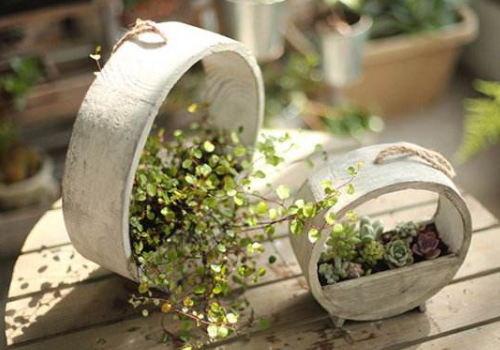
How to solve yellowing leaves on the thousand-leaf spider plant:
The solution for yellowing leaves on the thousand-leaf spider plant is also very simple. If the cause is light, then the solution must be sought from this aspect. Choose a semi-shady environment, but make sure the thousand-leaf spider plant can receive enough sunlight every day, and in summer be sure to provide shade to avoid scorching. If the cause is temperature, then find a way to cool it down and bring the temperature down.
Now you know the causes of and solutions for yellowing leaves on the thousand-leaf spider plant.
Causes of Yellowing Leaves on the Thousand-Leaf Spider Plant
The thousand-leaf spider plant has a full and rounded plant shape. If the leaves turn yellow, everyone needs to carefully check which cause is responsible. The first thing to judge is whether the plant lacks water; if it has not been watered for a long time, the likelihood of the plant turning yellow and withering is very high. Second, it may also be caused by a lack of nutrients. During the growing season, its demand for nutrients is especially great; if the cultivation method at this time is the same as usual, then the probability of problems arising can increase to 70 percent, and the solution is to double the amount of fertilizer applied from the original. At the same time, light can also cause leaves to wither and yellow, and here it is also necessary to distinguish whether it is strong light or weak light. In summer, ultraviolet rays are strong; if the plant is kept outdoors for a long time, it will be scorched by sunlight, so everyone is advised to move it indoors at noon. If people keep it indoors all the time without receiving normal light, this will also cause the leaves to turn yellow. Depending on the different situations, everyone needs to adopt different ways to deal with it.
Summary of the Causes and Solutions for Yellowing Leaves and Leaf Drop on the Thousand-Leaf Spider Plant
Many people choose to grow the thousand-leaf spider plant, because its leaves are round, small and cute, and glossy green, and it is deeply loved by people, with many growing it at home. But not many people truly understand it. Today, I, the editor, will take everyone through some relevant knowledge about yellowing leaves and leaf drop on the thousand-leaf spider plant.
I. Yellowing Leaves
Causes
1. Too-strong light, or insufficient light, is one cause, and another cause is excessively high temperature.
2. The thousand-leaf spider plant likes a semi-shady environment, and its suitable growing temperature is between 20-24°C. This determines that the thousand-leaf spider plant is not suited to growing in overly hot temperatures; of course, such growing habits also show that the thousand-leaf spider plant has very high requirements for light.
3. When light is too strong or insufficient, the leaves easily turn yellow, lose their vitality, and lose their proper ornamental value. The temperature must not be too high; above 30°C the thousand-leaf spider plant will stop growing, and the leaves easily turn yellow with dry tips.
Solutions
1. If the cause is light, then the solution must be sought from this aspect. Choose a semi-shady environment, but make sure the thousand-leaf spider plant can receive enough sunlight every day, and in summer be sure to provide shade to avoid scorching.
2. If the cause is temperature, then find a way to cool it down and bring the temperature down.
II. Leaf Drop
Causes
1. Leaf drop on the thousand-leaf spider plant is basically caused by lack of water or poor ventilation.
2. During the growing season, the thousand-leaf spider plant has a very great demand for water, and it should be watered and misted frequently to increase humidity. If it is not watered enough, this will not only fail to meet the growth needs of the thousand-leaf spider plant, but will also cause leaf drop.
3. Poor ventilation can make it hard for the plant to breathe, causing root rot and leaf drop, and there will also be other problems such as breeding pests. Pests may also cause leaf drop.
Solutions
1. Control moisture and water reasonably. Make sure there is sufficient water, but avoid water accumulating from watering, which causes rot.
2. During normal care, pay attention to more ventilation to ensure air circulation, which can also reduce the occurrence of pests and diseases.
The above is the summary I have put together of the causes and solutions for yellowing leaves and leaf drop on the thousand-leaf spider plant. I hope it can be helpful to the many flower growers, and please also keep following Duorou Huapu to learn more about flower and plant care.