-
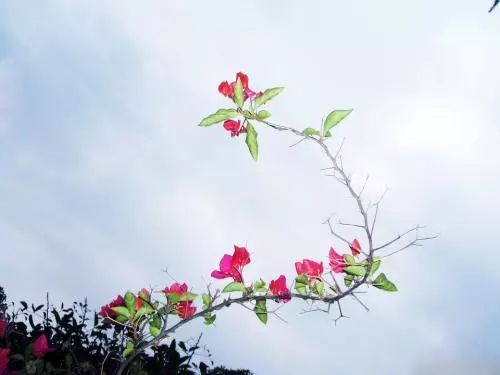
Bougainvillea leaf drop and flower drop: causes and solutions that can promote longer blooming and evergreen leaves
Bougainvillea has a long blooming period and comes in many colors, making it very suitable for growing. However, during cultivation, various situations of leaf drop and flower drop always occur. What causes them? And how should they be handled? 1. Human moving - Bougainvillea flowers are more fragile than...
-
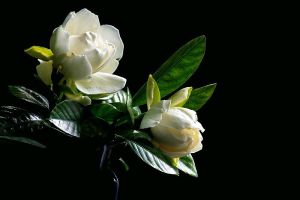
What to Do When Gardenia Leaves Develop Black Spots? Causes and Solutions
When this happens, the most likely cause is a disease problem, specifically "leaf spot disease." So, besides removing the diseased leaves, you also need to spray them with medicine. Another cause is poor air circulation combined with poor light, which allows some harmful bacteria to produce mildew. In that case, ventilation and plenty of light are essential. Yet another cause is too much water, with overly severe water accumulation, which can also lead to this situation. The corresponding fix is to regulate the amount of water and drain it promptly.
-
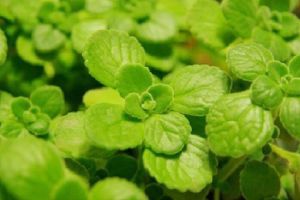
What to do when apple geranium (Plectranthus amboinicus) becomes woody? Causes and solutions
When you encounter this phenomenon, the best approach is to cut the soft young branches off the original plant and re-propagate them from cuttings. First, cut off the selected, somewhat thicker branches. Then, prepare a pot and soil. Next, insert the branches into the soil to a depth of two or three cm. After that, water thoroughly and place them in a shaded spot for care. After about half a month, if new leaves have grown, that means you have succeeded.
-
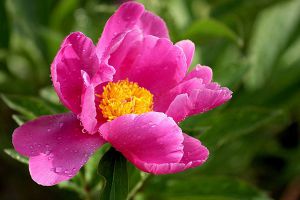
What to Do When Peony Leaves Turn Yellow? Cause Analysis and Solutions
When you are growing peonies, the leaves may turn yellow. What should you do then? First, we need to find the cause of the yellowing leaves, and then take the corresponding measures: if the soil is too dry, repot it with looser soil; if the fertilizing was improper, fertilize it the correct way; if it was pruned too early, remove the yellow leaves and care for it slowly; if it has been watered too much, place it in a cool, airy spot.
-
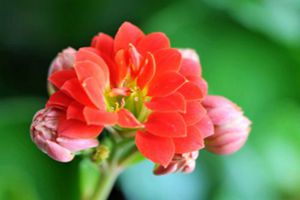
What to Do If Kalanchoe Leaves Are Scorched? Causes and Solutions
If its leaves have become scorched, first consider whether it is lacking light, or whether the light is too strong and has burned it. Then consider whether watering has been improper, and it is also possible that it is simply natural aging. If you want it to grow healthily, you must pay attention to daily care.
-
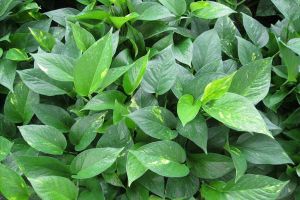
Reasons for and solutions to pothos leaves withering
Both water-cultured and soil-cultured pothos can show withering, but the causes differ, so if we notice it withering, because the causes are different, the measures we should take are also different: if bacteria have grown, remove them promptly; if the moisture is improper, replenishing water or placing it in a ventilated spot to let the water evaporate; if the light is too strong, reduce it slightly; if too much fertilizer was applied, flush out the excess fertilizer.
-
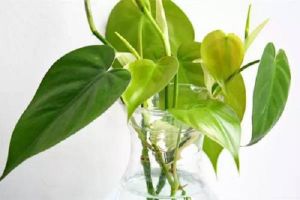
What to Do When Pothos Leaves Split? Causes and Solutions
While growing pothos, we may notice that its leaves have split, but we do not know the specific reason. Today we will explain this in detail. Generally, there are four causes, including normal metabolism, waterlogging, over-fertilizing, and root rot. For these four causes, we can respectively adopt four methods: gradual care, placing it in a windy spot to dry out, flushing away excess fertilizer, and trimming the roots and replanting.
-
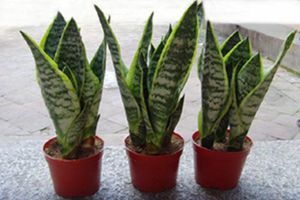
Causes and Solutions for Shrivelled, Soft Snake Plant Leaves
If its leaves show these symptoms, it may be that the light is too strong, or that it has been exposed to light for too long, scorching it. In that case, put it in a shady area and let it recover slowly. It may also be that it has been watered too much, damaging the roots, which then shows up in the leaves. In that case, put it in the sun to dry out the moisture, then move it to a suitable spot. It may also be a bacterial infection, soft rot disease, in which case treat it with copper oxychloride.
-
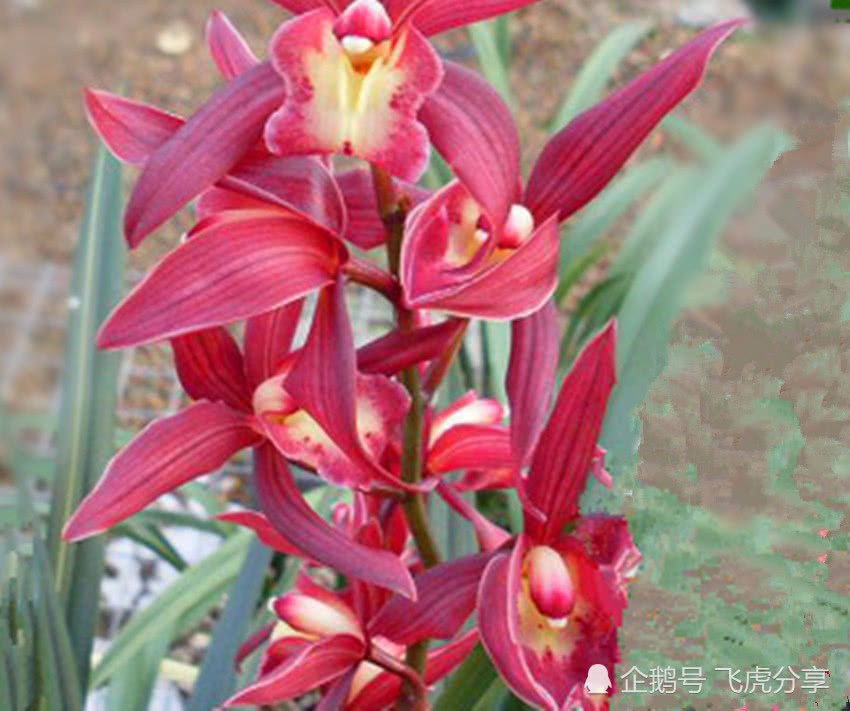
The real reasons flower leaves turn yellow and the correct solutions
In flower care, yellowing leaves can sometimes be unavoidable. Many people do not know what causes the yellowing. Some use vinegar, some use beer, but can these really turn yellow leaves green again? Now...
-
What to do when Ranunculus leaves turn yellow? Cause analysis and solutions
There are four reasons for this in Ranunculus: the first is water yellowing, the second is fertilizer yellowing, the third is drought yellowing, and the fourth is alkaline yellowing. If it is water yellowing, we need to control watering and move it to a shady place; if it is fertilizer yellowing, we need to flush out the excess flower fertilizer with water; if it is drought yellowing, we need to replenish water in time; if it is alkaline yellowing, we need to add some vinegar to it.
条件筛选