-
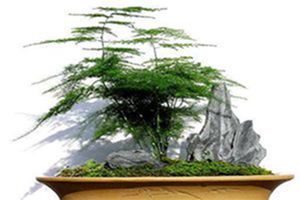
What are the solutions for common diseases of asparagus fern?
If it gets root rot, you can treat it with 1500x diluted Liangdun, and usually pay attention to the amount of watering and the temperature. If it gets branch blight, you can treat it with 1000x diluted Dingruike, and also disinfect it and apply petroleum jelly. If it gets yellowing disease, you need to use new soil to care for it.
-
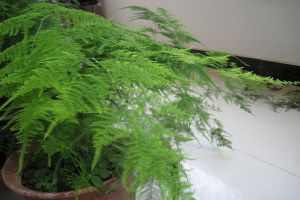
Why Is Your Asparagus Fern Dropping Leaves? Cause Analysis and Solutions
First, it could be a lighting problem: the light is too strong. In this case, you need to move it to a shady spot and mist the leaves with some water. Next, it could be too much water, causing root rot from waterlogged soil. Then you have to control the amount of water and loosen the soil for it. The third is a fertilizer problem: using fertilizer that is too concentrated or not fully decomposed. You need to take the plant out of the pot, remove the fertilizer, rinse it with clean water, and then put it back in. However, there is also a special case: severe leaf drop in winter may be due to not watering for a long time, so you need to water it appropriately.
-

What to Do If Anthurium Does Not Bloom? Detailed Causes and Solutions
Many factors can affect its blooming. First, temperature. Neither too low nor too high will do; it is best between 15 and 30 degrees. Second, light. In this respect too, neither too dark nor too strong will do. Generally speaking, diffused and even light is the most favorable. Third is water and fertilizer, which need to be supplied adequately. These two can be combined. Fourth, poor ventilation can also affect blooming. Therefore, a well-ventilated environment needs to be provided. The last one is pests and diseases. Once discovered, treat them promptly.
-
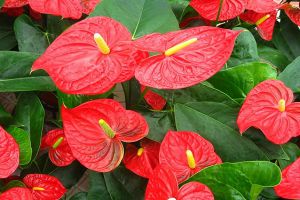
Reasons and Solutions for Dry, Cracked, and Holes in the Middle of Anthurium Leaves
This condition has a huge impact on its ornamental value. It is mainly caused by a lack of light that has lasted for a long time. The main treatment measures need to be discussed separately. If the damaged area is small, some medicinal solution can be applied to prevent further rotting. Then, place it in a ventilated spot. If the area of the hole is very large, then the already rotted leaves need to be cut off to avoid infecting the others. Some garlic juice can be sprayed to sterilize. At the same time, make sure there is sufficient light.
-
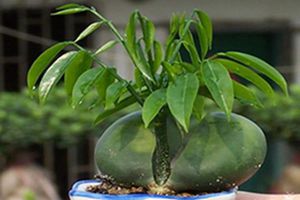
What to Do When the Leaves of a Green Pitcher Plant Droop? Causes and Solutions
If it is caused by too much water, its roots find it hard to breathe, so you need to repot it in soil with good drainage and open the windows for ventilation. If it has been harmed by cold wind, you should move it indoors and adjust the temperature to a suitable range. If it is caused by too much fertilizer, you need to rinse the soil. If it is caused by a lack of light, you need to let it get some sun.
-
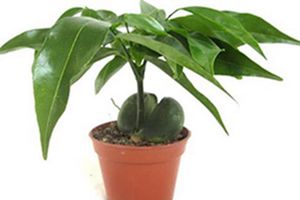
What to Do If the Leaves of the Green Yuanbao (Pachira aquatica) Dry Up? Causes and Solutions
If its leaves dry up, it may be caused by scorching sun exposure, in which case you should move it to a windy area without light for care so its damage can slowly recover. If it is caused by overwatering, you should reduce the amount and frequency of watering. If it is because it gets too much heating in the harsh winter, you should give it ventilation and moisture. If it is caused by too much fertilizer, you should wash out the fertilizer or replace the soil.
-
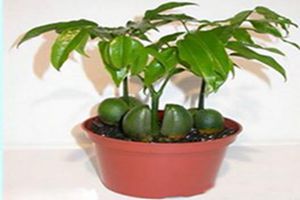
What to Do When the Green Abacus Plant Drops Its Leaves? Causes and Solutions
The surrounding temperature may be too high or too low, so place it in a cool area to help it recover. It may have been kept in a bright or dark spot for too long, so move it to a semi-shaded area and gradually adjust the temperature for it. The humidity may be unsuitable, so mist its leaves regularly with clean water. It may be lacking fertilizer, so feed it with a fertilizer containing a mix of elements.
-
What are the reasons and solutions for asparagus fern not growing new branches
When growing asparagus fern, if it does not grow new branches, it is usually caused by insufficient light, insufficient nutrients, or untimely pruning, so it needs 1 to 2 hours of light every day, then timely soil replacement and additional fertilizer, or watering with some white sugar water or glucose water, and finally reasonable pruning of dead branches and withered leaves to promote new branch sprouting.
-
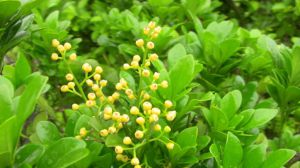
What to Do If Aglaia odorata Doesn't Grow Leaves? Causes and Solutions
When Aglaia odorata is growing, it sometimes fails to grow leaves, usually caused by temperature, light, fertilizing, or watering. So you need to ensure a suitable temperature, with 20 to 35 degrees being optimal; then ample light, with 8 to 12 hours per day being optimal; next, reasonable fertilizing, mainly with diluted fertilizer; and finally, moderate watering, depending on the climate.
-
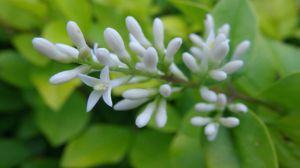
What to Do When Aglaia odorata Leaves Dry Up? Cause Analysis and Solutions
When Aglaia odorata is growing, its leaves may dry up. The causes are: first, too much or too little watering, so water only when the soil is dry and keep it moist but not soggy; second, improper fertilizing, so apply light fertilizer frequently; third, too strong light, so place it in a spot with diffused light; fourth, pests and diseases, so every 15 to 20 days sprinkle dry plant ash diluted 25 to 30 times onto the leaf surface.
条件筛选