-
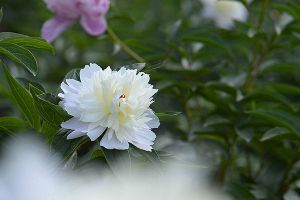
What to Do About Root Rot in Peonies? Cause Analysis and Solutions
Its root rot is mainly caused by soil that is too wet or by pest infestation. If it is the first cause, then we need to let the moisture in the soil evaporate; if it has developed disease because of this, spray it with medication in time. If it is the second cause, we need to drench the roots and use some thiamethoxam or pyrethroid-type products to control the pests.
-
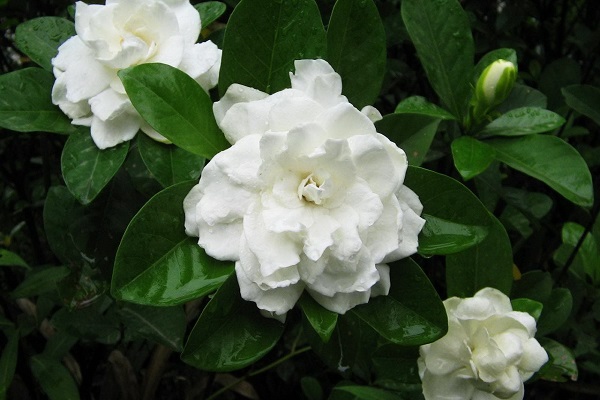
Reasons Why Gardenia Does Not Grow Flower Buds and Solutions
When this happens, the main issue is fertilizer. If you focus only on nitrogen fertilizer, it will grow leggy and fail to produce flower buds. Even if buds appear, they easily drop off. Next is the light issue: too little light can easily prevent flower buds from forming. Then there is a root problem, such as waterlogging, or compacted soil, which prevents nutrients from being supplied adequately, so naturally flower buds cannot form. Finally, there is the temperature issue: if it is unsuitable, flower buds are also very difficult to produce.
-
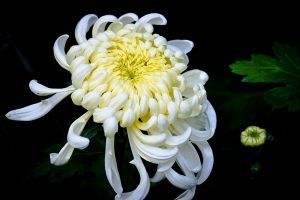
Reasons for withered chrysanthemum leaves and solutions
If this phenomenon appears, it may have contracted "leaf spot disease". In that case, the first step is to cut off all the diseased leaves and dispose of them. Then, spray some chlorothalonil solution, once every ten days to half a month, for a total of three to five times. Care and management are also very important, such as ventilation, light exposure, and so on. Another cause is that the light is too strong, or the light duration is too long. The corresponding action is to provide appropriate shade. Yet another cause is too much accumulated water, and the corresponding action is to strictly regulate the amount of watering.
-
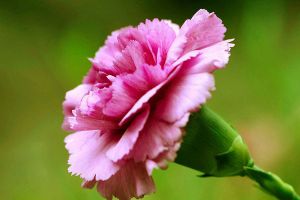
What are the causes and solutions for wilting carnation leaves?
If the leaves of a carnation are wilted and droopy, we first need to check whether it is a lighting problem. Giving it 6-8 hours of light per day is enough, no need for more. Then check whether it is a temperature problem. If the temperature is too high, adjust it to 13-25°C. Finally, check whether it is a water problem. If so, adjust the amount of watering.
-
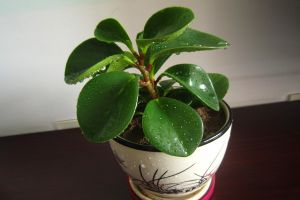
What to Do When Peperomia obtusifolia Drops Its Leaves? Here Are the Causes and Solutions
Once the problem mentioned above appears, we need to carefully analyze the cause and then take corresponding measures to solve it: if there is too much water, control the watering; if the temperature is too low, raise it above 10°C; if the soil is compacted, loosen it in time.
-
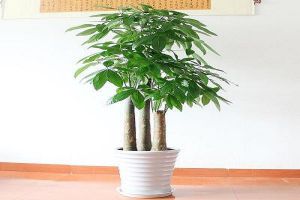
Reasons for and Solutions to Wilting Leaves on the Money Tree
It is grown mainly for its foliage, so this kind of problem is certainly very annoying. There are three specific causes. The first is too much water. The corresponding fix is to adjust watering, and waterlogging must certainly be avoided. Next, adjust according to the specific growth stage, watering a little more generously during vigorous growth. The second cause is too little water, which can likewise cause wilting. So, as with the previous case, simply water it correctly. The third is caused by exposure to strong sun. This is easy to understand, and the corresponding fix is naturally to provide some shade.
-

Reasons and solutions for the money tree losing its leaves
Only by identifying the cause can you take measures to improve the leaf drop. If root rot caused by overwatering prevents it from absorbing nutrients, simply stop watering, loosen the soil regularly and keep it well ventilated, and the leaf drop will improve after some time. If it has been lacking fertilizer for a long time, give it a timely nutrient boost; if it has been overfertilized, first stop fertilizing, increase watering to flush out the excess fertilizer, and then consider whether to repot it and change the soil.
-
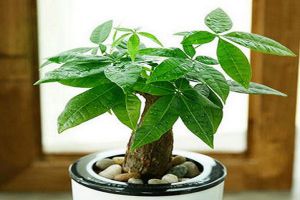
What to do if the leaves of a money tree turn white? Causes and solutions
This is not a very common phenomenon, but it can still happen. There are mainly three causes. The first is disease, namely "powdery mildew." For this, you first need to remove the affected parts, and then spray some carbendazim, etc. The second situation is pest infestation, such as "cottony cushion scale," etc. The treatment is similar to the first: deal with the diseased leaves, and then spray pesticide. The third is caused by excessive sun exposure, which is relatively rare, but it is also a possible cause. You need to provide appropriate shade and ensure ventilation.
-
What to Do When Tillandsia Leaves Dry Out? Cause Analysis and Solutions
There are three main reasons why Tillandsia leaves dry out. First, the light is too strong; after being exposed to strong sunlight, it easily dries out, so we need to move it to a shady place. Second, the temperature is too low, so we need to raise it above 16°C. Third, there is too little water, so we need to replenish it in time. In addition, if there is too much fertilizer or pest infestation, it may also cause its leaves to dry out, and then we need to address its pot and pest prevention.
-
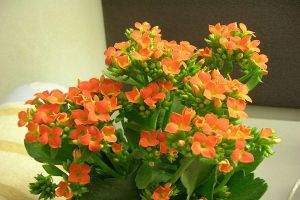
What to Do When a Kalanchoe's Roots Turn Black? Causes and Solutions
While growing kalanchoe, we may notice that it is not growing well, and when we take it out we may find that its roots have all turned black. Don't panic at this point; we need to remove all the blackened roots, then disinfect them, and finally replant it in soil or water.
条件筛选