-
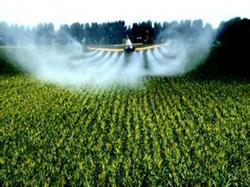
How to apply insecticides scientifically? Correct methods and techniques
To control crop pests with pesticides and achieve the best insecticidal effect, in addition to selecting the right targeted agent and applying it at the right time, you should also pay special attention to the following two issues that are easily overlooked. Different agents and different application methods should be chosen according to the part of the plant the pest damages, so that the pesticide is delivered to the right place. For example, for pests that damage...
-
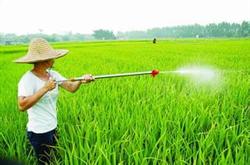
What are the scientific methods for using bacterial biological insecticides?
From rice sowing to the seedling stage, farmers should focus on controlling seed-borne diseases (bakanae disease, rice blast at the seedling stage, white-tip nematode disease, etc.), the small brown planthopper, and the first-generation stem borers. At the rice booting stage, the focus should be on controlling pests and diseases such as the rice planthopper, rice leaf roller, stem borers, ear blast, and rice false smut. At the rice ear stage, the rice planthopper is the main target, along with...
-
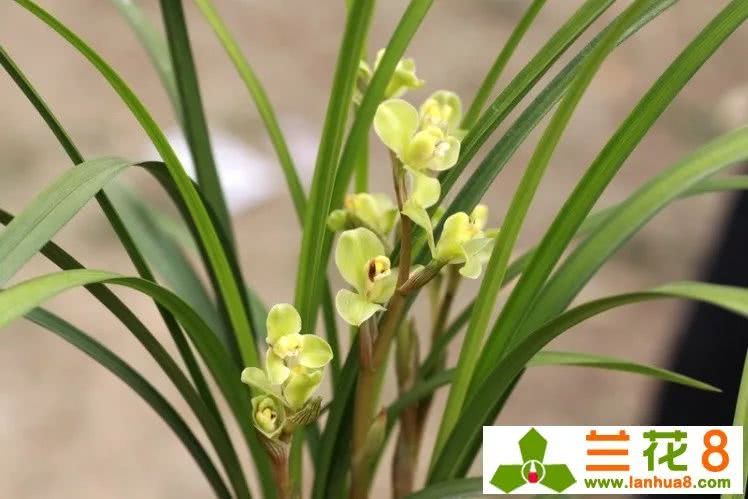
Over-fertilizing harms crops instead; a brief discussion on scientific fertilizing
Promote Chinese orchid culture, spread orchid knowledge. Many orchid growers always attach great importance to fertilizing, thinking about fertilizing their orchids almost every day. In fact, fertilizing must be done with restraint; without rationalized fertilizing, it will only bring harm to orchids, causing...
-

Foliar fertilizers are effective, and scientific selection is key
After the pegging stage of autumn peanuts, drought weather and large day-night temperature differences affect pod development, causing pods to be not plump. If foliar topdressing is carried out multiple times after the pegging stage of autumn peanuts to supplement nutrients through the leaves and raise the nutritional level of the autumn peanut plants, the ability of the autumn peanut plants to resist drought and adapt to large day-night temperature differences can be enhanced, making the pods...
-
Methods and Techniques for Scientifically Applying Phosphate Fertilizer to Wheat
Wheat is a crop with a relatively high phosphorus requirement, and scientifically applying phosphate fertilizer is one of the key measures to improve phosphate fertilizer efficiency, reduce fertilization costs, and promote high-quality and high-yield wheat. 1. Apply after mixing and composting with organic fertilizer. Organic fertilizer is rich in organic matter, phosphoric acid, and various organic weak acids, which can turn insoluble phosphorus into soluble phosphorus...
-
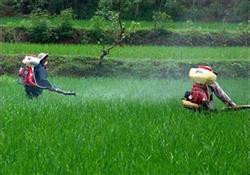
A detailed explanation of new grain insect-killing technology, scientific prevention and control of grain pests
In rural areas, this phenomenon is often encountered: when farmers spray pesticides, they do not know what pesticide they are using, nor how many times it should be diluted, and only know how many caps (pesticide bottle caps) to mix into a bucket of water. This is the true portrayal of how most Chinese farmers use pesticides today. Of course, this current situation has to do with rural...
-
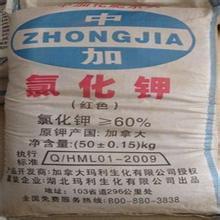
Five key points for efficient and scientific application of potassium fertilizer
Veteran vegetable grower Master Chang switched to growing tomatoes these past two years, and his yields and returns have remained good, because he pays close attention to soil testing and fertilization. When he tested his soil last year, the organic matter in his greenhouse soil reached 27.25g/kg. Because the soil organic matter content was relatively high, this spring he did not use organic fertilizer, but instead applied 40 kg of compound fertilizer per mu, 7...
-

How can fertilizer be applied for the best effect? Master scientific fertilization methods
Many fertilizers are used in crop cultivation, and each has its own characteristics. For example, organic fertilizers and inorganic fertilizers, solid fertilizers and liquid fertilizers, macronutrients and micronutrients, single fertilizers and compound fertilizers, etc. Different fertilizers should be applied using different fertilization techniques. Generally, slow-release fertilizers such as organic fertilizers and compound fertilizers should be used as base fertilizer,...
-
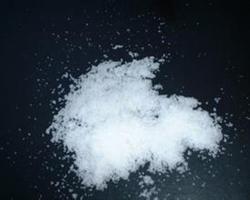
Types of Nitrogen Fertilizers and Scientific Application Methods
At present, the effective utilization rate of nitrogen fertilizers in our country is generally very low. How to reduce nitrogen loss and improve nitrogen fertilizer utilization rate is a problem of common concern to the vast number of farmers. Here are seven methods for improving the effective utilization rate of nitrogen fertilizers, introduced to the vast number of farmers: 1. Implement mixed application and deep application, and strengthen water management. A large number of field...
-
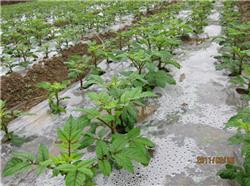
How to scientifically select herbicides for spice crops
Precautions for herbicide use During the use of herbicides in vegetable plastic-film mulching cultivation, in order to achieve safety, economy and effectiveness, the following points should also be noted in operation: 1. During herbicide application, the amount of water used to dilute each 667 sq m dose must not be less than 40-50 kg at minimum; only by ensuring wet...
条件筛选