-
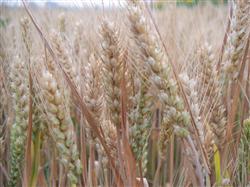
How to scientifically select and keep seed when harvesting wheat?
How do you select and keep seed when harvesting wheat? Here is an introduction. The work of selecting and keeping wheat seed can refer to the following methods: 1. Single-plant (spike) selection: that is, select good seed with the typical characteristics and traits of this variety, high purity and strong seed quality. This method is suitable when the amount of selected seed is small and the amount of seed used is small. Two to three days before harvest, go to the seed field or the main field...
-
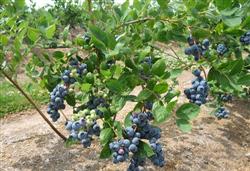
How should young blueberry trees be pruned to be scientific and reasonable?
How should young blueberry trees be pruned? Please give guidance. After planting, young trees develop flower buds in the first and second years, and flowering and fruiting will inhibit vegetative growth. The main purpose of the young tree stage is to promote root development, expand the canopy and increase branches, therefore pruning at the young tree stage focuses mainly on removing flower buds. In the spring of the second and third years after planting...
-
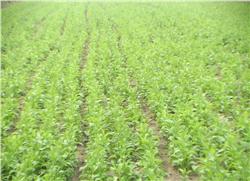
New high-yield techniques for Atractylodes macrocephala: scientific cultivation boosts production
Cultivation techniques and seedling raising (1) Preparing the seedbed: For Atractylodes macrocephala, one month before sowing, turn the soil, cover it with a 30 cm thick layer of weeds, and burn the soil to sterilize it and prevent pests and diseases; immediately after burning, turn the grass ash into the soil. If the soil is not burned, the soil can be turned in the winter of the previous year so that it is fully weathered by freezing. The soil...
-
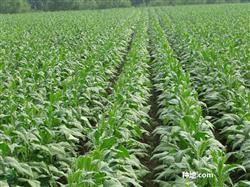
What Fertilizer to Apply to Tobacco to Increase Yield? A Detailed Guide to Scientific Fertilization Methods
How to fertilize tobacco scientifically? The various nutrients needed by flue-cured tobacco throughout its entire field growth period are mainly absorbed from the soil. Judging from the soil nutrient conditions in tobacco-growing areas under various ecological conditions in China, whether in terms of nutrient quantity or the dynamic supply process, they often cannot satisfy flue-cured tobacco's requirements for yield and quality...
-
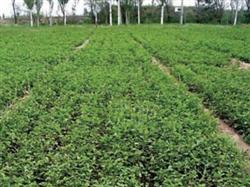
Licorice Market Prospects Analysis and Scientific Planting Techniques
Licorice is a plant of the Fabaceae family, the dried root and rhizome of Glycyrrhiza uralensis, Glycyrrhiza inflata, or Glycyrrhiza glabra, and is a commonly used bulk medicinal material. Wild licorice is mainly distributed in Inner Mongolia, Ningxia, **, Gansu, and other places; cultivated licorice is mainly distributed in the Hexi Corridor of Gansu, the surrounding area of Longxi, and parts of Ningxia. Licorice is a national-level se...
-
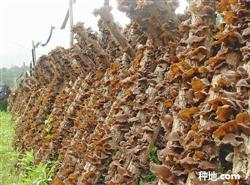
Scientific cultivation of black fungus?
Scientific cultivation of black fungus? Please advise (1) Overview Black fungus is also called wood ear, smooth wood ear, or cloud ear. Taxonomically it belongs to the class Basidiomycetes, order Auriculariales, family Auriculariaceae, genus Auricularia. There are about a dozen or more species in this genus, such as black fungus, hairy wood ear, wrinkled wood ear, felt-cap wood ear, horny wood ear, shield-shaped wood ear, etc. Among these wood ears, only the smooth wood ear has plump and tender texture and delicious flavor, and is known as a mountain delicacy.
-
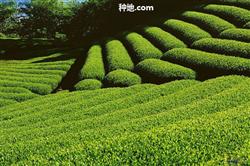
How to fertilize tea plants scientifically? A full breakdown of the key methods
How to fertilize tea plants scientifically? Please advise. Fertilizer is the food for tea plant growth and the material basis for increasing tea yield and improving quality. Therefore, fertilization plays an important role in the growth of tea plants and the yield and quality of tea leaves. Good fertilization techniques can maximize the yield-increasing effect of fertilization, maintain and improve...
-
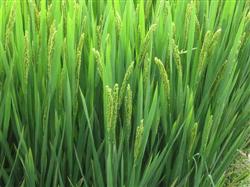
How to scientifically manage water and fertilizer in the middle and late stages of rice?
How should water and fertilizer be managed in the middle and late stages of rice? Please provide an introduction to the management methods. Water and fertilizer management in the middle and late stages of rice can refer to the following: (1) Apply panicle fertilizer cautiously as appropriate to promote large panicles, full grains, and high yield. Based on the earlier rice seedling growth and field diagnosis results, for fields with high soil fertility, strong water and fertilizer retention capacity, many tillers, and darker leaves, delay, reduce, and lower the application rate of panicle fertilizer, generally applying 4-5 kg of urea per mu at the 5th-7th stage of panicle differentiation or at the penultimate leaf stage; for fields with poor fertilizer retention capacity, insufficient tillering, and lighter leaf color, appropriately increase the panicle fertilizer rate earlier, generally applying 6-8 kg of urea per mu at the 4th leaf from the top stage when entering the panicle initiation stage, and spray trace element fertilizers such as potassium dihydrogen phosphate on the leaves at the initial heading stage to increase grain filling and raise yield.
-
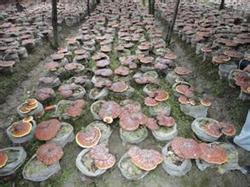
Detailed Explanation of Reishi Mushroom Cultivation Techniques: Scientific Cultivation Methods and Management Key Points
In recent years, bag-cultivated reishi mushroom has been widely promoted. The author summarizes years of reishi mushroom production practice, and now introduces several production technique key points as follows: 1. Choose a suitable cultivation period: In Taizhou City, Jiangsu Province, the most suitable cultivation period for reishi mushroom is from April 10 to May 10, and after May 20, the bags are opened successively for mushroom fruiting. Every year from June to...
-
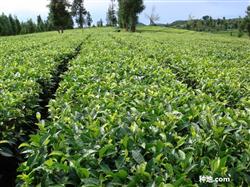
Detailed Explanation of Scientific Topdressing Methods and Technical Key Points for Tea Plants
How to scientifically topdress tea plants? Please provide guidance. Tea fertilization should, on the basis of adhering to the combination of organic fertilizers and inorganic fertilizers, control the total amount of nitrogen fertilizer, especially the amount of nitrogen fertilizer applied in the later stage, so as to improve tea quality. At the same time, pay attention to the combined application of the three major nutrients nitrogen, phosphorus and potassium and the balanced application of medium and trace elements. It is strictly prohibited to apply...
条件筛选