-
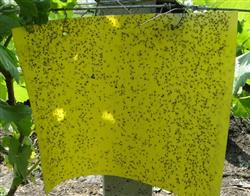
How to treat aphids? A full analysis of scientific control methods
How to treat aphids? What are some simple control methods for aphids? Experienced readers are also asked to help explain. Aphids are the most common pests, and they are also one of the most destructive pests in the world. Moreover, aphids have strong reproductive capacity, mainly because female aphids can reproduce as soon as they are born, and can reproduce 10 to 3... in a year.
-
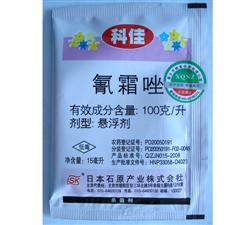
How to choose a fungicide? Master these key points for scientific disease control
How to choose a fungicide? Which fungicides are good? Please give an introduction. China's vegetable planting area has exceeded the planting area of oilseed crops, making vegetables a major crop in China. The biggest problem in vegetable production is the control of pests and diseases, especially disease control, which is a difficult problem in vegetable production. In vegetable disease control...
-
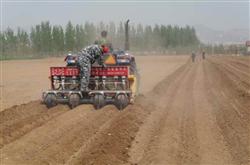
How to choose herbicides for corn at sowing time in a scientific way
How to choose herbicides for corn at sowing time? Please advise. Weeds occur commonly and in great variety in corn fields. Among them, the Huang-Huai-Hai region is the largest corn-producing area in China, mainly growing summer corn. In this region, crops are grown twice a year, mostly in corn-wheat rotation, and there is also relay intercropping of corn with soybean, peanut, etc. The main weeds in this region...
-
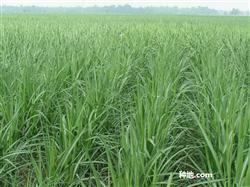
How to use herbicides scientifically? Key methods explained
How to use herbicides in sugarcane fields? I would like to ask about the chemical herbicide varieties commonly used in sugarcane fields: atrazine, simazine, oxadiazon, diuron, linuron, fluometuron, alachlor, haloxyfop, sugarcane amide, paraquat, glyphosate, etc. However, based on field observations and farmers' opinions, the safest and most efficient is the 55% sugarcane...
-
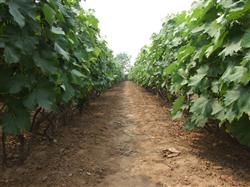
Scientific Methods for Using Fruit Tree Growth Regulators
How should growth regulators be used scientifically on fruit trees? Guidance requested. The following methods of using plant growth regulators can be used for reference: 1. Cutting rooting. Mainly used for grapes, kiwifruit, and apple dwarfing rootstocks. The commonly used agents are auxins such as indolebutyric acid (IBA), naphthaleneacetic acid (NAA), and sodium naphthaleneacetate. Methods of use: ①...
-
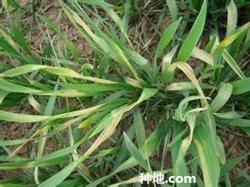
How can herbicide dosage be controlled in a scientific and reasonable way?
What should be done if wheat is damaged by herbicide phytotoxicity? What remedial methods are there? There are many varieties of herbicides for wheat crops, and their physicochemical properties, sites of action, and mechanisms of action differ, so the symptoms of phytotoxicity they cause also differ. Some are manifested inside the plant, some externally, some in the aboveground parts, and some in the underground parts...
-
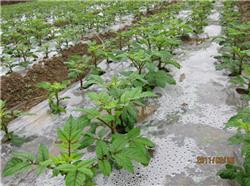
How to scientifically select herbicides for spice crops
Precautions for herbicide use During the use of herbicides in vegetable plastic-film mulching cultivation, in order to achieve safety, economy and effectiveness, the following points should also be noted in operation: 1. During herbicide application, the amount of water used to dilute each 667 sq m dose must not be less than 40-50 kg at minimum; only by ensuring wet...
-
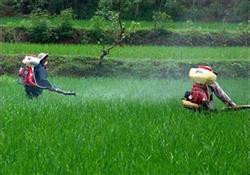
A detailed explanation of new grain insect-killing technology, scientific prevention and control of grain pests
In rural areas, this phenomenon is often encountered: when farmers spray pesticides, they do not know what pesticide they are using, nor how many times it should be diluted, and only know how many caps (pesticide bottle caps) to mix into a bucket of water. This is the true portrayal of how most Chinese farmers use pesticides today. Of course, this current situation has to do with rural...
-
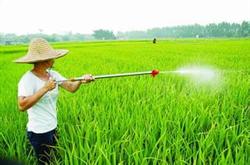
What are the scientific methods for using bacterial biological insecticides?
From rice sowing to the seedling stage, farmers should focus on controlling seed-borne diseases (bakanae disease, rice blast at the seedling stage, white-tip nematode disease, etc.), the small brown planthopper, and the first-generation stem borers. At the rice booting stage, the focus should be on controlling pests and diseases such as the rice planthopper, rice leaf roller, stem borers, ear blast, and rice false smut. At the rice ear stage, the rice planthopper is the main target, along with...
-
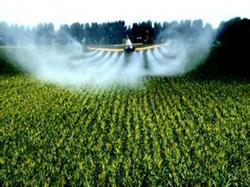
How to apply insecticides scientifically? Correct methods and techniques
To control crop pests with pesticides and achieve the best insecticidal effect, in addition to selecting the right targeted agent and applying it at the right time, you should also pay special attention to the following two issues that are easily overlooked. Different agents and different application methods should be chosen according to the part of the plant the pest damages, so that the pesticide is delivered to the right place. For example, for pests that damage...
条件筛选