How to use herbicides scientifically? Key methods explained
How to use herbicides in sugarcane fields? I would like to ask about the chemical herbicide varieties commonly used in sugarcane fields: atrazine, simazine, oxadiazon, diuron, linuron, fluometuron, alachlor, haloxyfop, sugarcane amide, paraquat, glyphosate, etc. However, based on field observations and farmers' opinions, the safest and most efficient is the 55% sugarcane...
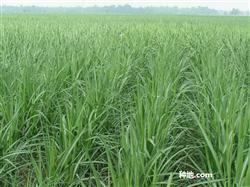 How to use herbicides scientifically? Please advise
Correct use of herbicides requires attention to several points:
I. Chemical weeding techniques
1. Pre-emergence soil closure treatment after sowing
After corn is sown and before seedlings emerge, 150-200 mL of 50% acetochlor emulsifiable concentrate per mu, or 100-150 mL of 72% propisochlor emulsifiable concentrate, can be mixed with 40-60 kg of water and evenly sprayed on the soil surface. When spraying, the operator should walk backward.
2. Early post-emergence stem and leaf treatment
At the 3-5 leaf stage of corn and the 2-4 leaf stage of weeds, 10 mL of 30% topramezone suspension concentrate + adjuvant, 120 g of 52% nicosulfuron·atrazine wettable powder, or 150-200 mL of 10% mesotrione suspension concentrate per mu can be mixed with 30-40 kg of water for stem and leaf spraying.
3. Inter-row weeding in corn
After the 6-leaf stage of corn, 150-200 mL of 20% paraquat aqueous solution per mu can be mixed with 40-60 kg of water, with a protective shield attached, for inter-row spraying in corn.
II. Precautions
1. Acid amide herbicides, such as acetochlor, alachlor, butachlor, metolachlor, propisochlor, etc., are used for soil closure treatment. After being absorbed by the buds of annual grass weeds and some annual broadleaf weed buds, they cause drying, withering and wilting, but they have a slight irritating effect on eyes and skin, and the weeding effect is significantly reduced when soil moisture is poor.
2. Atrazine, also known as atrazine, has a long residual effect in soil. It is generally applied by stem and leaf spraying. When the 40% acetochlor-atrazine herbicide mixture with acetochlor is used at more than 250 g per mu, it is prone to causing phytotoxicity to subsequent wheat crops.
3. Factors such as applying the herbicide after the 5-leaf stage of corn, using the wrong herbicide, unclean spraying equipment, increasing the dosage, using organophosphorus pesticides within 7 days after application, poor-quality agents, and applying when the temperature exceeds 30°C are all likely to cause corn phytotoxicity.
4. Use dedicated equipment for corn herbicides and properly store leftover herbicides to prevent phytotoxicity to wheat.
III. Remedial measures for phytotoxicity
1. Spray clean water or irrigate with sufficient water to reduce or remove herbicide residues on corn, prompt corn to absorb a large amount of water, lower the herbicide concentration in the plant, and alleviate phytotoxicity.
2. After the morning dew has dried or in the evening, spray 500-fold diluted Yemianbao or Jiehailing, or apply a topdressing of 0.2%-0.3% potassium dihydrogen phosphate, while adding microfertilizers such as zinc, iron, and molybdenum to reduce phytotoxicity. For herbicides that decompose in alkaline substances, a 0.2% quicklime or 0.2% sodium bicarbonate dilution can be selected for spraying.
3. Increase the frequency and depth of intertillage to accelerate the decomposition of soil nutrients, enhance the root system's ability to absorb water and nutrients, and restore normal growth and development of corn.
Click to get a massive amount of herbicide application techniques
Click to get a massive amount of pesticide application techniques