Why Are Dental Implants So Expensive? A Detailed Scientific Explanation of the Reasons Behind It
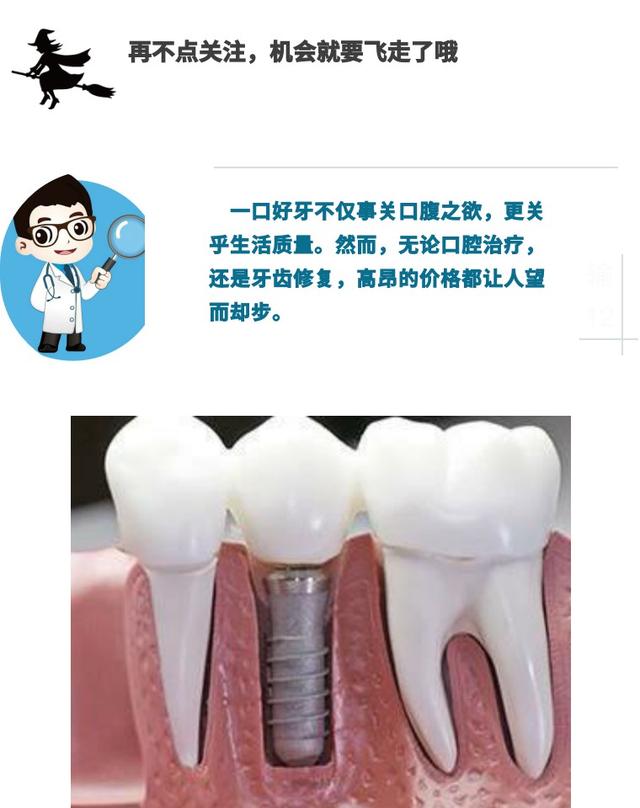
A survey conducted by the Department of Preventive Dentistry, School of Stomatology, Fourth Military Medical University, showed that 40.16% of respondents would give up seeing a dentist because of the price. Take dental implants, currently the best method for restoring missing teeth, as an example: a single tooth often costs over ten thousand yuan, making many people with missing teeth cry out that they "can't afford an implant." Why is a single implant so expensive?
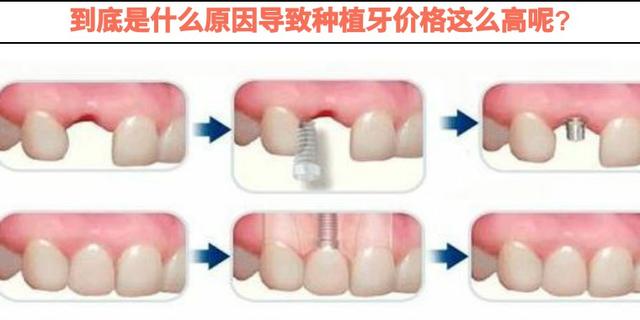
First, carrying out implant technology in clinical practice requires fairly advanced equipment and facilities, such as large X-ray diagnostic equipment, clinical surgical equipment, dental laboratory equipment, surgical support equipment, and some unique and rather expensive implant restoration materials needed during fabrication.
Second: Implant-supported dentures are completed jointly by a team consisting of specially trained implant surgeons, implant restorative dentists, implant technicians and corresponding assistants, so the personnel costs are relatively high.
Finally: The materials for implant-supported dentures are strictly limited: the processing technology for dental implants is complex and requires extreme precision. At present, the world's well-known implant systems, such as the American 3i implant system, have a wide variety of implants and accessories to meet different restoration design needs, so the cost is very high.
Details:
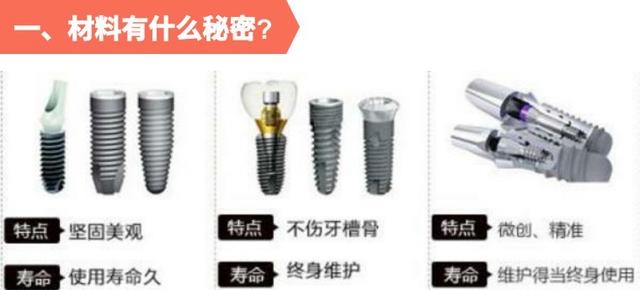
The implant (artificial tooth root) is made of a special material (pure titanium or titanium alloy), which has the best biocompatibility, causes no rejection by the human body, and can bond tightly with the alveolar bone tissue, making it strong and durable. The shape of the implant, the design of the threads and the matching of the abutment have all gradually evolved through long-term scientific research and clinical testing, and because of their small size, the requirements for manufacturing precision are extremely exacting and strict.
In addition, almost all implant brands currently used in clinical practice are imported from abroad, and must be registered with the National Medical Products Administration; the implant material itself must comply with the relevant national regulations. Therefore, the combined material production cost, processing cost, marketing cost and administrative costs in the distribution process will inevitably have a great impact on the cost of dental implants.

A new treatment technology requires a large investment of manpower and resources from research and development, through maturity, to final widespread clinical application. And to become an excellent implant restoration specialist, one must not only go through extensive learning and accumulation in clinical work, but also possess professional expertise in surgical experience, periodontal treatment and prosthodontics.
An excellent implant specialist will tailor a reasonable treatment plan for the patient, strictly follow operating standards, control surgical trauma and reduce surgical risk. So the implant dentist is the key to successful implantation, and experts in our country who can skillfully master implant technology and have comprehensive medical experience are very scarce, so a medical institution with high-tech talent must inevitably invest a large amount of personnel cost.
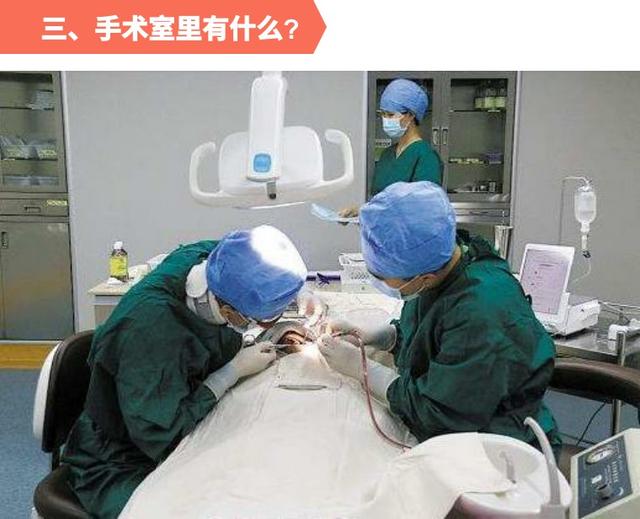
Although implant surgery is not very traumatic, it is still a surgical treatment after all, and the facilities and instruments in the surgical room have special aseptic disinfection requirements, which means increased infection control costs. In addition, carrying out dental implant treatment also requires special professional equipment, instruments, auxiliary tools, etc., and these devices often become factors affecting the cost of dental implants.
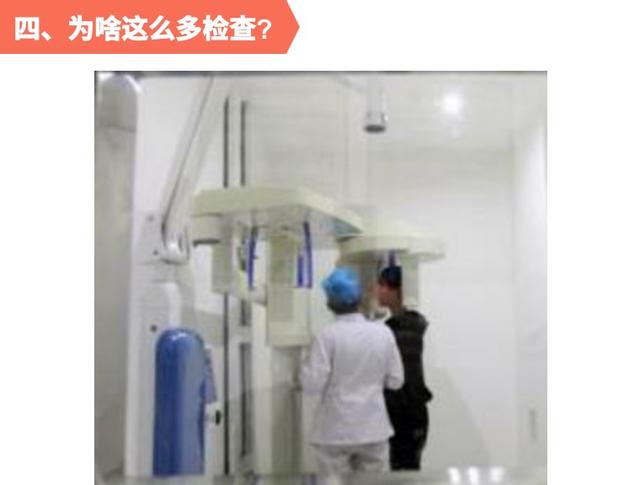
Before dental implant surgery, the dentist must take X-rays and CT scans for the patient, examine the condition of the missing teeth and determine the treatment plan; at the same time, the patient's blood pressure, blood sugar and other physical indicators must be measured to understand the patient's physical condition; after surgery, the patient's postoperative reactions must be closely observed and follow-up control carried out.
And this series of work must be better accomplished by a professional, standardized medical and nursing team with sufficient service awareness.
This article: The text and images are all from the internet, compiled and organized by Neuro Dental, for sharing only; copyright belongs to the original author, and if there is any infringement, please contact us for deletion.
For more wonderful content, please click to follow!