-
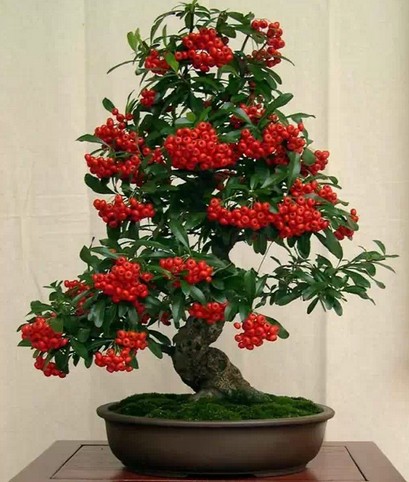
Detailed Explanation of the Coarse Wiring and Fine Pruning Shaping Method for Firethorn Bonsai
For firethorn bonsai, the shaping method of coarse wiring and fine pruning should be adopted, generally carried out in autumn. First, use wire or palm fiber to coarsely wire the trunk into different forms such as a slanting trunk or a lying trunk, and after cultivating for a period, prune and shape the pad layers of the bonsai according to the design, so that the entire tree form has distinct layers and verve. Firethorn is very particular about pot selection
-
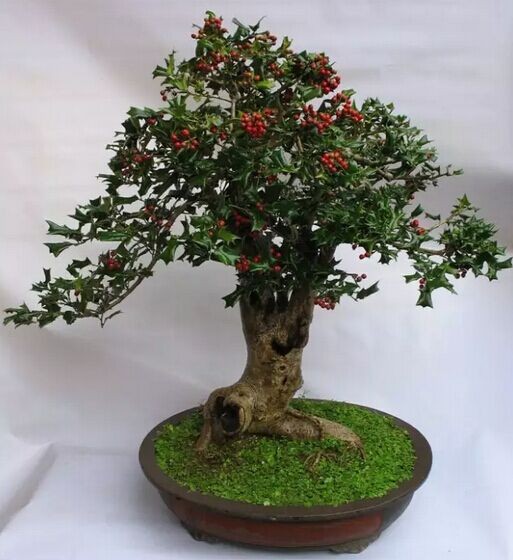
Detailed Guide to Pruning and Shaping Chinese Holly Bonsai
Gougou, namely Chinese holly, scientific name: Ilex cornuta, also known as cat's thorn, tiger thorn, octagonal thorn, bird's roost, dog-bone thorn, cat's fragrance, mouse tree, etc. It is an evergreen shrub or small tree, with peculiar leaf shapes, bright green and glossy, evergreen all year round, covered with red fruits after autumn, not withering through winter, gorgeous and lovely
-
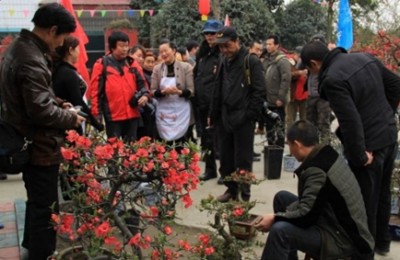
Detailed Explanation of Techniques and Methods for Shaping and Styling Begonia Bonsai
Begonia shaping and processing often combines wiring and pruning, and the processing period is best from after leaf drop in winter to before bud break in spring. During the plum rain period, new branches have grown relatively mature and the branches are quite flexible, so it is also suitable for pruning and wiring. Seedlings 2 to 3 years old can begin to be processed; at this stage they are highly malleable and easier to work with
-
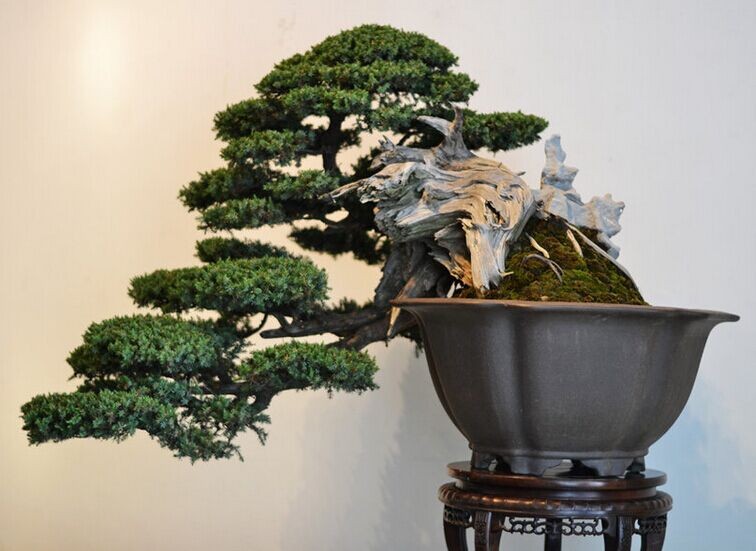
Detailed Explanation of the Shaping Techniques and Methods for Cascade-Style Bonsai
Cascade style can be considered the style that bonsai artists favor most in the bonsai world, yet they often find their ability falling short of their wishes, finding it difficult to express the unique character of cascade forms in nature. What is the reason? Based on my personal exploration over many years, the main reason ordinary artists rarely produce even one or two fine pieces is none other than their reliance on excavating natural material.
-
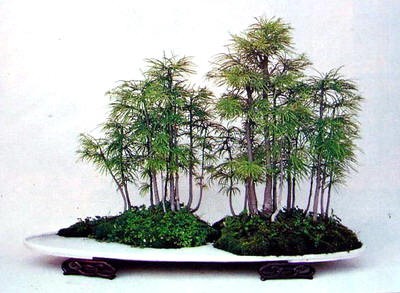
Shaping Methods and Techniques for Group-Planted Bonsai
Group planting (group planting) is the original appearance of a forest; it can be a pure stand or a mixed forest, all made freely according to each person's preference and choice. Its only biggest difference from the connected-root style is that every tree exists independently on its own
-
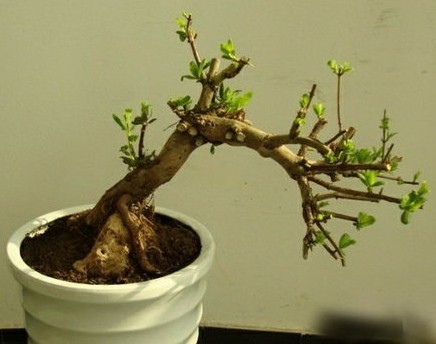
Detailed Explanation of Processing and Shaping Techniques for Honeysuckle Bonsai
Honeysuckle (Lonicera japonica) is a temperate and subtropical tree species. It likes sun but also tolerates shade, tolerates cold, tolerates drought and moisture. It is not demanding about soil and can adapt to both acidic and alkaline soils, but prefers loose, fertile, neutral sandy loam. It is vigorous, has a well-developed root system, strong sprouting ability, a light and graceful plant body, and an elegant posture, while old stumps are quaint and classic.
-
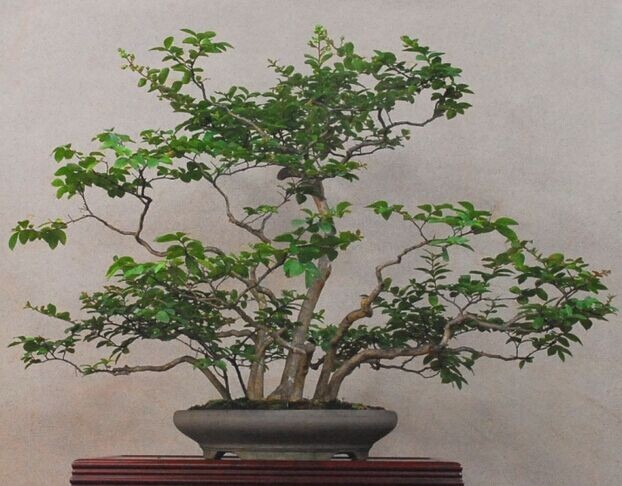
Detailed Explanation of Pruning and Shaping Methods for Crape Myrtle Bonsai
Crape myrtle (Lagerstroemia indica) is tolerant of pruning, has strong branching ability, and produces a large amount of new shoot growth. Therefore, after flowering, the spent flowers should be cut off, which can extend the flowering period. Sucker branches, overlapping branches, crossing branches, radiating branches, and diseased branches should be removed at any time to avoid consuming nutrients. Pruning and shaping: 1. General pruning and shaping of crape myrtle bonsai
-
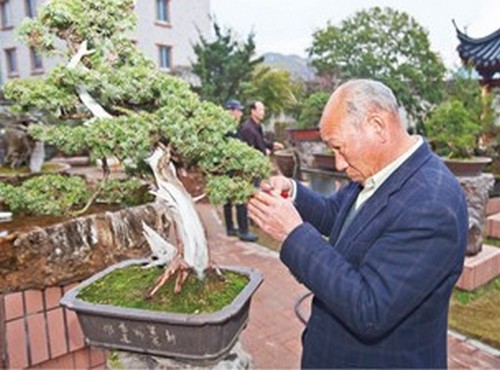
How to shape a Chinese juniper bonsai? A detailed guide to shaping methods
So-called Chinese juniper shaping means, through processes such as tying, binding, twisting, pinching, pulling, thinning and pruning, turning an ordinary Chinese juniper into a vivid living shape, such as animal shapes like lions and tigers; architectural shapes like pavilions and towers; and educational shapes like airplanes and rockets. These shapes range from about a foot tall to several meters tall
-
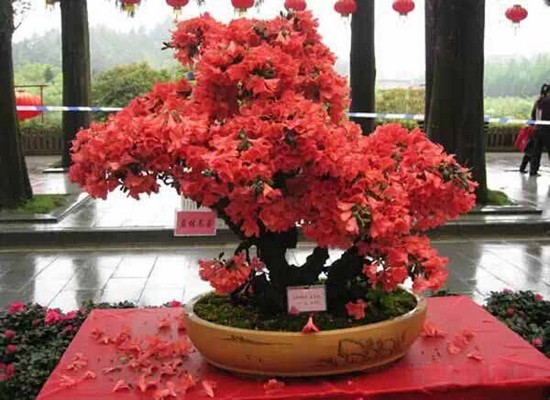
Detailed Explanation of the Key Techniques for Pruning and Shaping Azalea Bonsai
Azalea bonsai is a work of art, and in pursuing its artistic character, attention must be paid to the perfect combination and full display of roots, trunk base, trunk, and branches. Generally speaking, the roots and trunk base of azalea bonsai are difficult to change, but the application of branch techniques still offers ample room for expression
-
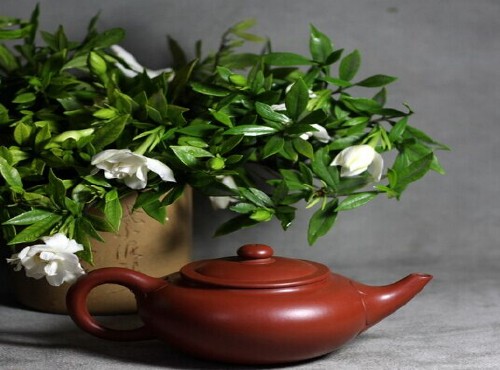
A Detailed Guide to Pruning and Shaping Gardenia
The gardenia is native to the provinces and regions south of the Yangtze River basin in our country. It likes warmth and humidity, is fairly cold-tolerant, with an optimum growing temperature of 18-28°C, and winter temperatures not lower than -10°C. It likes light but also tolerates partial shade; direct strong sunlight, high temperatures plus overwatering easily cause yellowing of the lower leaves, and even the death of the whole plant
条件筛选