A Detailed Guide to Pruning and Shaping Gardenia
The gardenia is native to the provinces and regions south of the Yangtze River basin in our country. It likes warmth and humidity, is fairly cold-tolerant, with an optimum growing temperature of 18-28°C, and winter temperatures not lower than -10°C. It likes light but also tolerates partial shade; direct strong sunlight, high temperatures plus overwatering easily cause yellowing of the lower leaves, and even the death of the whole plant. It prefers loose, fertile, well-drained acidic soil, requiring a pH of 4.5-6.0; above 6.5 the leaves begin to turn yellow, and as time goes on the leaves drop off gradually from the bottom upward. The gardenia is relatively resistant to sulfur dioxide but poor at resisting soot and dust.
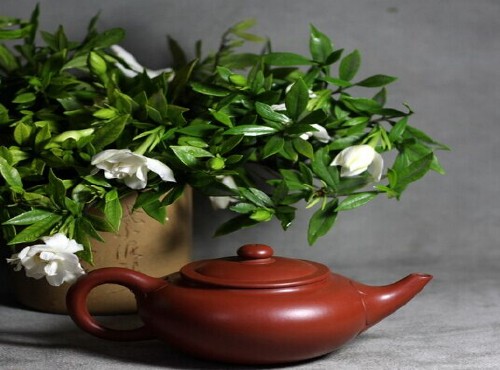
Cutting off the growing tips of the gardenia to encourage branching helps it bloom more. The gardenia mostly branches in threes, often forming crisscrossing, overlapping branches that seriously affect ventilation and light penetration and cause the branches to become weak and tangled, so timely pruning is needed to form an attractive plant shape. The gardenia is an evergreen shrub with fat leaves and large flowers, and the main branches should be few rather than many.
First, cultivate an upright main trunk, on which branches can grow. Flower buds form every year in April, so when removing some of the branches on the main trunk in April-May, take care to keep the flower buds. After the flowers fade in June, prune them off promptly; this reduces nutrient consumption and encourages new branches. When the new branches grow to 2-3 nodes, carry out the first pinching, removing some of the axillary buds to avoid excessive, tangled, crowded branching. In August, pinch the three-way branches to build up the crown, and after 2-3 years a neat and elegant potted gardenia can be formed.
The gardenia readily sends up shoots that disrupt the tree shape, so shaping and pruning should be done at any time, removing unwanted buds. From May to July, pinching must be carried out to promote flower bud differentiation.