How to Fertilize Five-Needle Pine Bonsai? Detailed Methods and Tips
This tree species is one of the more precious among five-needle pines, generally used as bonsai material, rarely grown in the ground. Five-needle pine has low fertilizer requirements, and fertilization should not be excessive or too concentrated. Too much fertilizer will cause leggy shoot growth and longer needles, detracting from its ornamental value.
Five-needle pine is relatively cold-tolerant and shade-tolerant, preferring well-drained, slightly acidic soil, but fertilization is key to growing a good five-needle pine bonsai and can be combined with watering. After the five-needle pine has taken shape, fertilizer must not be applied in excess, otherwise it easily damages the roots. In addition, note that after fertilizing, the five-needle pine should be shaded and must not be exposed to direct sunlight.
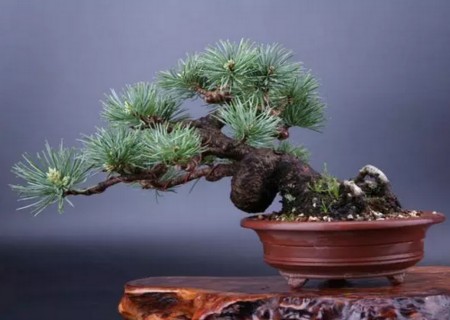
Five-needle pine bonsai should be fertilized sparingly; under conditions of fertilizer deficiency and controlled watering, it can develop a gnarled, aged appearance. Fertilizer should be applied dilute and weak, with cake fertilizer being best. Timing is best after autumn and before bud break, and fertilization should be avoided in a single season. Applying too much or too concentrated fertilizer easily damages the root system. Applying base fertilizer in winter helps protect against cold. Topdressing is applied before spring bud break, mainly with potassium and phosphorus fertilizers, to help strengthen the roots and trunk.
Five-leaf pine is best fertilized with dilute, small amounts, preferably with fully decomposed bio-organic fertilizer (Guoguang Huoliyuan). From spring to early winter, fertilize once every three to four weeks. In July and August, when the weather is hot, apply a 10% dilute fertilizer solution once every half month.
Fertilization of mature plants is best carried out in spring and autumn: spring fertilizer is applied 2—3 months before bud break, once every 10 days at about 15% concentration, to promote budding and branch growth. In July—August, when the weather is hot, apply a 10% dilute fertilizer solution about once every half month, in the morning or evening. September is the stage when five-leaf pine grows thickest fastest, so you can appropriately increase the application of compound fertilizer specially formulated for garden plants (Guoguang Yuyang fertilizer), so that there is enough nutrients to supply stem and branch growth. After the end of October, fertilization must stop.
Generally, fertilization is carried out only twice during the spring and autumn growing seasons. In spring, apply organic liquid fertilizer (cake fertilizer water) once before bud break or after the leaves thicken; in autumn, fertilizer can be applied somewhat more concentrated to promote robust growth. Stop fertilizing after October.
Five-needle pine tolerates barren conditions and should not be fertilized much. Too much or too concentrated fertilizer easily damages the root system. Fertilization is not suitable in high-temperature seasons, and in severe cases it can cause the tree to die. Controlled fertilization can shorten the needles; more fertilizer makes the needles longer. Usually, applying fertilizer once to twice each in spring is sufficient. In the year of potting, fertilize even less.
In addition, fertilization also depends on the weather. If it has rained for a long time and just cleared up, do not fertilize immediately; if it has been clear and rainless for a long time, water first, then fertilize after 2—3 days. Regularly spraying foliar fertilizer containing trace elements (Sitaling + Yuyang compound sodium nitrophenolate) can enhance the landscape effect and resistance of five-leaf pine.