-
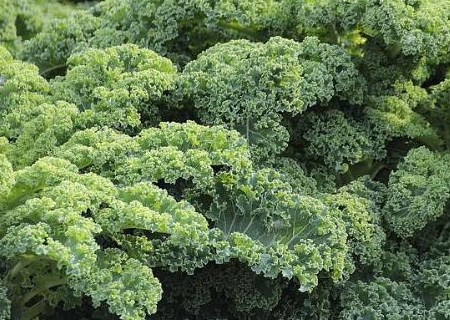
Kale (Brassica oleracea var. acephala) Cultivation Methods, Prospects, and Whether It Can Be Eaten Raw
Kale is a biennial herbaceous plant and a garden variety of head cabbage (common cabbage). Its structure and shape are very similar to cabbage, and it is now widely cultivated in China. Do you know what the cultivation methods for kale are? How are its prospects? Can it be eaten raw? What are the cultivation methods for kale?
-
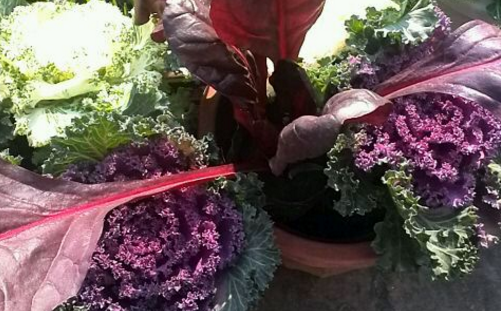
What varieties of Brassica oleracea (ornamental kale) are there? A detailed guide to cuttings and eating
Ornamental kale is also called peony cabbage, flower cabbage and green leafy kale, so what varieties of ornamental kale are there? Can it be propagated by cuttings? Can it be eaten? According to available information, ornamental kale prefers a cool climate and is fairly cold-hardy, so even in the cold winter people can see it growing. Ornamental kale can tolerate shade
-
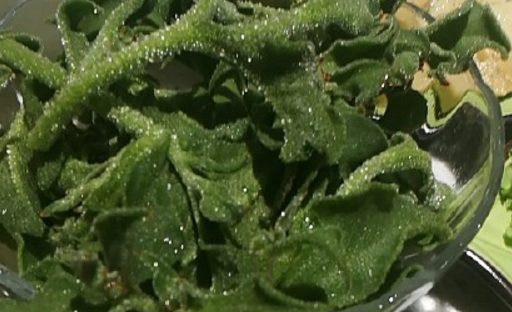
How to Grow Salt-Tolerant African Ice Plant: Care Tips, Seed-Sowing Methods and Value
African ice plant, also known as ice vegetable or crystalline ice plant (Mesembryanthemum crystallinum), so what are the growing methods and care tips for African ice plant? How do you sow the seeds? What value does it have? According to available information, African ice plant is a salt-tolerant plant, and the cells of the plant contain salt, so it has a slightly salty taste when eaten.
-
24 easy-care drought-tolerant plants, the top choice for water-scarce areas and lazy gardeners
We know that all plants need water to grow and survive, but some plants need more water, and some need less. Today Courtyard Show...
-
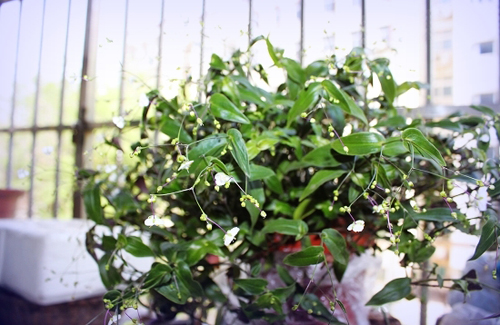
How to grow Bridal Veil Spider Plant: Avoid direct sunlight, not shade-tolerant
Bridal Veil Spider Plant originates from Korea. Its small leaves are tender green and glossy, with purplish-red undersides; its stems are jointed, slender and soft; its small white flowers are upright and borne gracefully. Because of this it is often used as a wedding flower, so below we will explain how to grow Bridal Veil Spider Plant. Bridal Veil Spider Plant growing habits: prefers high temperature and high humidity, diffused light environment
-
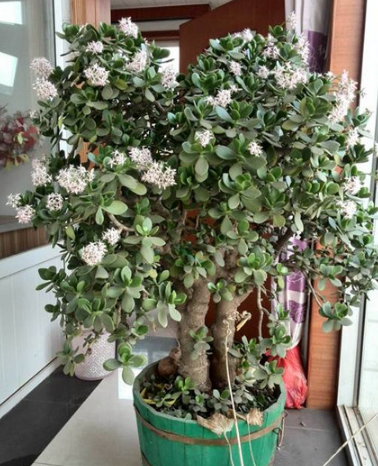
Which drought-tolerant plants won't die even if you don't water them for a month?
Often it's not that you're bad at caring for plants, but that the plant you chose isn't right for you. For example, if you're so busy with work every day that your feet barely touch the ground, a pot of pennywort will surely dry up and die; and if your home doesn't get enough light, a pot of succulents will surely grow leggy. How to choose a flower that suits you is quite a subject.
-
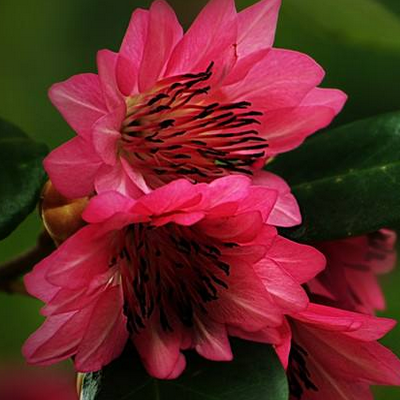
Red Lotus Rhodoleia: Minimum Cold Tolerance, Cutting Propagation Methods and Flower Language Explained
The Red Lotus Rhodoleia plant is generally planted in gardens and also cultivated as a landscape plant. So what is the lowest temperature the Red Lotus Rhodoleia can tolerate? How do you propagate Red Lotus Rhodoleia from cuttings? What is the flower language of Red Lotus Rhodoleia? Minimum cold tolerance of Red Lotus Rhodoleia: a neutral-to-shade-tolerant tree species, young trees tolerate shade, and once mature it prefers more light
-
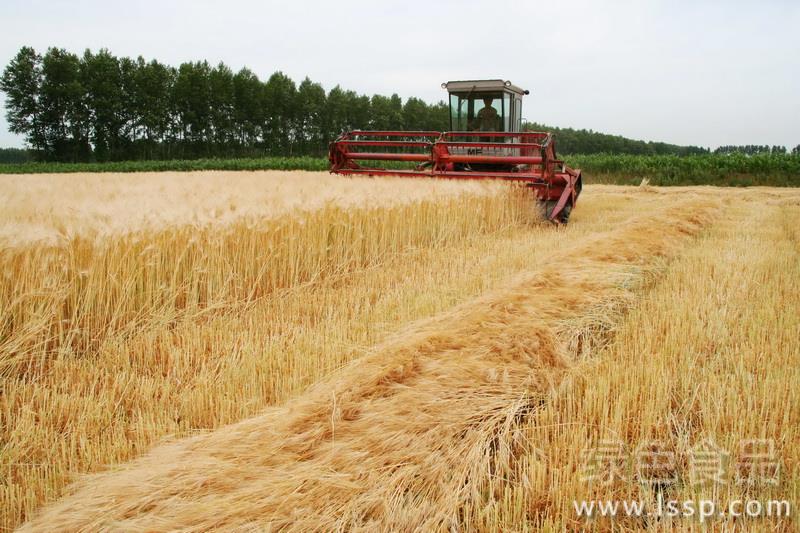
High-yield cultivation techniques for barley with drought resistance, cold tolerance and wide adaptability
High-yield cultivation techniques for barley with drought resistance, cold tolerance and wide adaptability
-

Monsanto's drought-tolerant GM cotton variety to be launched soon
Monsanto, the world's leading seed company, is developing a drought-tolerant genetically modified cotton variety that could be launched for commercial cultivation by 2015. Jerry Steiner, vice president of Monsanto, said: "We hope to launch a drought-tolerant cotton seed by the middle of the next decade. But five years from now, we will be able to announce whether we can launch drought-tolerant seeds by that time." Monsanto officials also said the company is currently researching genetically modified seeds that can minimize fertilizer use. Genetically modified seeds
-
Introduction to the Salt-and-Alkali-Tolerant Cotton Variety F502-2
I. Characteristics and Traits The plant is tower-shaped, with Type II fruiting branches, and a relatively loose plant architecture. The leaves are dark green, of ordinary leaf shape, medium-sized, with a smooth surface; the leaves are relatively thin and hard, and the fruiting branches tend to grow slightly upward. Emergence is fast and uniform, and growth is robust. The seedling growth vigor is moderate and steady, and the plants grow rapidly around the bud stage. The first fruiting branch node is at the 6th to 7th node, and the plant height is about 70 cm. It has strong boll-setting ability, with 10 to 12 bolls per plant. The boll shape is oval and relatively large, with a single boll weight of 6.6 g. The boll shell is thin, boll opening is concentrated and smooth, and the boll-holding capacity is good.
条件筛选