How to Grow Salt-Tolerant African Ice Plant: Care Tips, Seed-Sowing Methods and Value
African ice plant, also known as ice vegetable or crystalline ice plant (Mesembryanthemum crystallinum), so what are the growing methods and care tips for African ice plant? How do you sow the seeds? What value does it have? According to available information, African ice plant is a salt-tolerant plant, and the cells of the plant contain salt, so it has a slightly salty taste when eaten. Many people eat it as a vegetable, and it can be eaten raw.
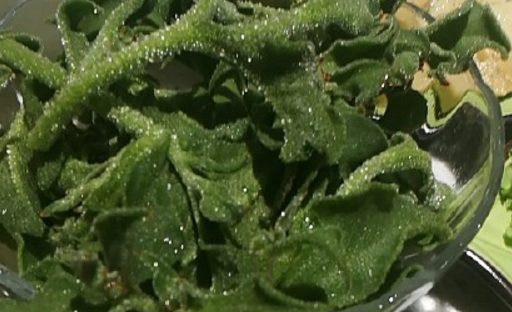
I. Growing methods and care tips for African ice plant
Temperature
The suitable growing temperature for African ice plant is about 20-30°C. It is relatively cold-tolerant, but is sensitive to high temperatures when grown in summer.
Watering
African ice plant has drought-tolerant growing characteristics. Irrigation should wait until the soil surface is dry, and pay attention to drainage on rainy days.
Soil
African ice plant is relatively tolerant of poor soil. It has fibrous roots that grow densely, and features sand-collecting sheaths and deeper penetration into the soil. It is an excellent plant for soil and water conservation and sand fixation, and is often seen in dry grasslands, hillsides, hills and sandy areas.
Planting out
The suitable time for planting out is generally about 20-40 days after sowing, once 4-5 leaves have grown. Depending on the production area, direct sowing can also be done. If you want to increase the premium rate or harvest over a long period, seedling cultivation is suitable.
Precautions:
Harvesting method
When harvesting African ice plant, scissors should be used to spread outward. The main harvest is the side branches about two months after sowing. In addition, during transport it should be stored at low temperature, or transported using the low temperatures of early morning. After harvesting, pre-cooling is needed.
II. How do you sow the seeds?
1. Seed selection and treatment
Seed selection is relatively easy. When selecting seeds, choose those that have not been attacked by disease and show no signs of insect damage, rather than overly shriveled seeds. After selecting the seeds, they cannot be sown immediately; some treatment is needed to increase their germination rate. We can soak the seeds in warm water at about 20 to 30 degrees; it does not need to be too long, just 2 to 4 hours.
2. Choosing the time
As for timing, there are no strict requirements, but if sowing in summer, because the seeds are sensitive to high temperatures, too high a temperature may affect the germination rate, so the temperature needs to be specially controlled.
3. Sowing and management
First, sow the seeds at intervals of about 9 cm. After scattering them, cover them with a layer of soil, being careful not to cover them too much, because if the soil layer on top is too thick it will hinder the seeds from breaking through the soil. In addition, the temperature also needs to be adjusted; around 20°C is best. If sowing in a season with relatively low temperatures, some insulation measures need to be taken. If sowing in summer when temperatures are high, some cooling measures need to be taken. Also, ventilation is very important.
III. What value does it have?
1. The edible value of African ice plant
African ice plant is a salt-tolerant plant, generally growing at the edge of the coast. We all know that seawater is an important source for extracting salt, so the taste of this plant naturally has a slight saltiness. At first, only people in Europe ate this plant, and it was only later that it gradually spread to China. This African ice plant contains all the nutrients commonly found in green plants, and its content of things like amino acids and antioxidant substances is quite high, so the edible value of African ice plant is very high and it is now widely eaten by people. African ice plant can generally be seen in restaurants and in home dishes.
2. The nutritional value of African ice plant
The substances contained in the greatest amounts in African ice plant are amino acids and some antioxidant organic compounds. These are essential nutrients in our daily lives. African ice plant grows in very harsh environments and has very tenacious vitality, so it is quite normal for it to contain high levels of organic compounds. When eating it, we usually feel a slight sourness. This sourness is none other than the malic acid contained in African ice plant. Besides organic compounds and malic acid, African ice plant also contains a lot of carotene and many other minerals, combining the characteristics of multiple plants in one, making it a plant with quite high nutritional value.