-

Practical Comprehensive Prevention and Treatment Techniques for Goose Cholera Explained
Goose cholera is on the rise in China, and many farmers neglect prevention and treatment, resulting in serious losses. The disease is an acute septicemic infectious disease caused by Pasteurella multocida; it occurs mostly in winter and spring, affects adult geese more than young geese, and when prevention and treatment are not timely the mortality rate is 80%-95% or more, with devastating losses being not uncommon. Damp, dark and crowded goose houses, sudden climate changes, vitamin deficiency, malnutrition, and internal and external parasitic infections can all trigger the disease. I. Epidemiology and Symptoms This disease is a common infectious disease of chickens, ducks, geese, poultry and birds.
-
What types of lesions does duck cholera cause?
Duck cholera mainly presents as septicemic pathological changes, with grossly visible manifestations of petechial hemorrhages on the serous membranes and mucous membranes. The liver surface has pinhead-sized, grayish-white necrotic spots with neat edges; the spleen is enlarged with necrotic spots of varying sizes on its surface; hemorrhage in the coronary sulcus, endocardium, and epicardium and pericardial effusion; pulmonary congestion and hemorrhage; hemorrhage in the duodenal and rectal mucosa, and hemorrhage on the surface of the intraperitoneal, gastric, and mesenteric fat. 1. Peracute type The peracute type dies quickly, and necropsy shows no obvious pathological changes. 2. Acute type Acute dis
-
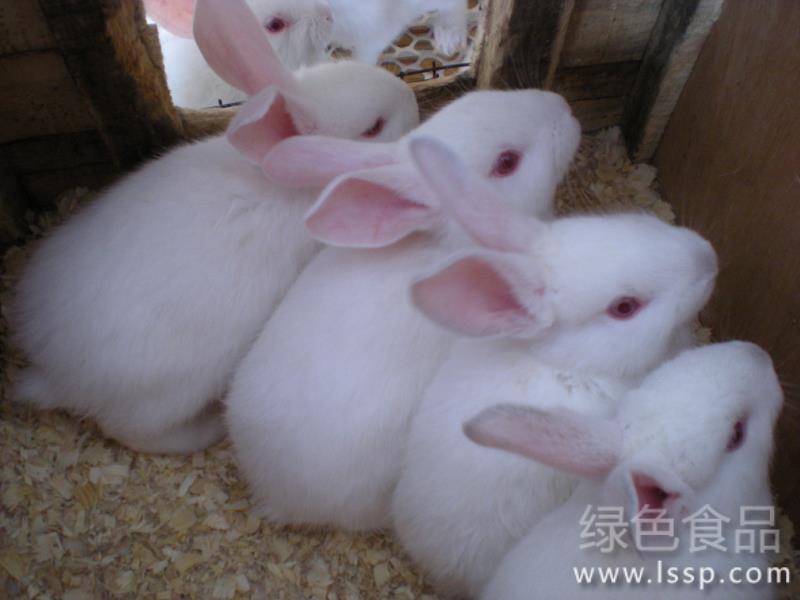
Angora rabbits cannot tolerate high summer temperatures; how can summer management be done well?
Summer heat is unsuitable for Angora rabbits; how can summer management of Angora rabbits be done well
-
Differences Between Fowl Plague and Fowl Cholera and How to Tell Them Apart
When fowl cholera is epidemic, chickens, ducks and geese often become ill and die at the same time, whereas Newcastle disease affects only chickens. Symptoms: In acute cases of fowl cholera the crop is full of food, whereas in Newcastle disease it is full of gas and fluid; chronic cases show nervous symptoms such as a twisted head and neck, while fowl cholera has no nervous symptoms and a short course. Necropsy: In fowl cholera a large amount of pale yellow fluid accumulates in the pericardial sac, with hemorrhage on the epicardium and grayish-white necrotic spots on the surface of the liver, and yellow caseous exudate is often found on the surface of the air sacs and intestines; whereas in Newcastle disease the liver has no necrotic spots,
-
Treatment Methods and Prevention Measures for Pigeon Cholera
Li Yue from Lailong Town, Suyu District, Suqian City called to report that his family raises 500 laying pigeons, and recently 50% of the pigeons showed symptoms of vomiting and diarrhea, with droppings being yellow, white, or green; the sick pigeons cannot stand and have mucus in their mouths. The local veterinarian diagnosed it as pigeon cholera. He asks how to prevent and treat pigeon cholera. Pigeon cholera is an acute septicemic infectious disease caused by Pasteurella multocida, also known as pigeon pasteurellosis or pigeon hemorrhagic septicemia. The most acute cases of pigeon cholera die suddenly with almost no visible clinical symptoms. Acute cases show
-
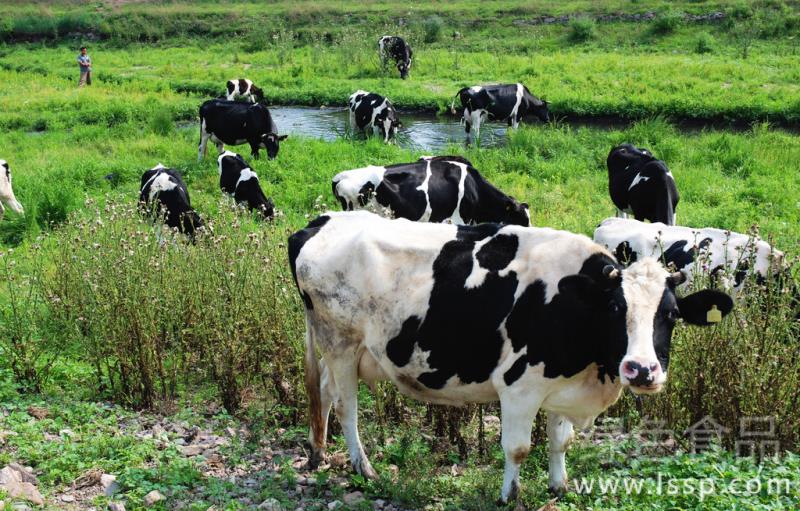
Dairy cows are cold-tolerant but heat-sensitive and prone to heatstroke: how to prevent and treat heatstroke in dairy cows
Dairy cows are cold-tolerant but heat-sensitive and prone to heatstroke: how to prevent and treat heatstroke in dairy cows
-
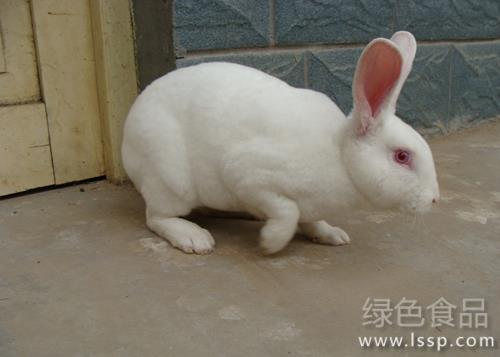
Rabbits are cold-tolerant but fear sudden drops in temperature: key points for rabbit care in winter
Rabbits are cold-tolerant but fear sudden drops in temperature: key points for managing rabbits in winter
-
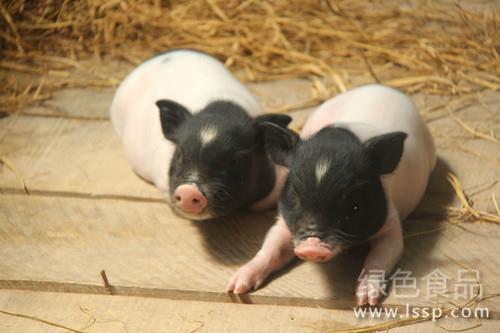
Xiang pigs have lower cold tolerance than local pigs: key points for winter feeding
Xiang pigs have lower cold tolerance than local pigs: key points for raising Xiang pigs in winter
-
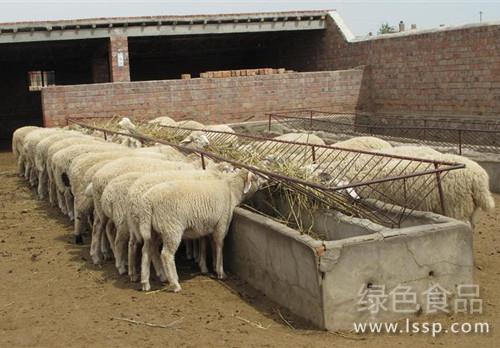
Feeding methods for Bamei mutton sheep: tolerant to roughage, strong disease resistance, wide adaptability
Tolerant to roughage, strong disease resistance, wide adaptability: feeding methods for Bamei mutton sheep
条件筛选