-

Thrips Pest Control Methods: Orius strigicollis (Anthocorid Bug) Preys on Thrips
Thrips: Thrips typically suck sap from the tender tips and flowers of watermelon, causing the growing points of the watermelon to shrivel and turn black, or even become necrotic. With such significant damage, what should we do to effectively control them? The damage caused by thrips on crops has in recent years
-
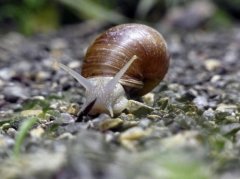
Control methods for the grape flat snail, practical tips for pest and disease prevention and control
Control of the flat snail in vineyards: Grapes also have many pests and diseases. Today let us first learn about snail control. The vineyard flat snail is an important pest of grapes, and traditional control methods are not very effective. Using the PET bottle method to control the flat snail can achieve 95-100%
-
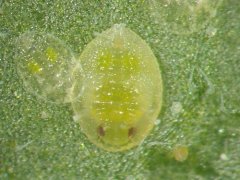
What Pesticide to Use for Whiteflies? A Complete Guide to Control Methods
One should understand the characteristics of the pest and each control method and apply the right remedy, supplement it with correct control techniques, observe the safe harvest interval, change cultivation and management practices, and choose pesticides of low toxicity to natural enemies in order to protect or release natural enemies, with the aim of reducing pesticide residues and pollution and ensuring the health of producers and consumers.
-
A Detailed Guide to Integrated Pest and Disease Control Methods for Crops
Have you ever heard of using natural pesticides to control plant diseases? Would you like to learn about them? Let's take a look below. Natural pesticides that can control plant diseases can be divided, according to the source of their ingredients, into four categories: plant-based ingredients, mineral-based ingredients, plant-plus-mineral ingredients, and others. First
-
Detailed Explanation of Vinegar Making Methods and Fruit Fly Control Techniques
Do you know how to make acetic acid? And do you know anything about fruit fly control methods? If not, let's take a look together below. I. Acetic Acid Making Method Purpose of use: Pouring into soil has the effect of suppressing nematodes; spraying on leaves has a fertilizing effect and also has repellent and sterilizing functions.
-
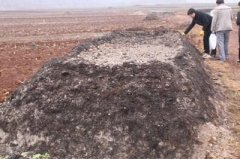
Methods and Benefits of Making Organic Fertilizer from Weeds
Weed Organic Fertilizer: Weeds can also be made into organic fertilizer. Do you know how to make it? Only by farming with a longer-term vision and forming a virtuous cycle can the vitality of the earth be sustained endlessly. In the general view of farmers, weeds are bad, they
-
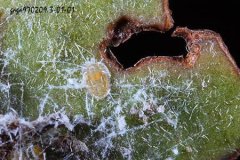
How to control the spiraling whitefly? A complete analysis of whitefly control methods
There are two methods for controlling the spiraling whitefly: one is physical control, and the other is biological control. What are the natural enemies of the spiraling whitefly? Let's take a look. 1. Physical control In the field, at a water flow rate of 12.5 liters per minute, treat the underside of guava leaves once every 2 days,
-
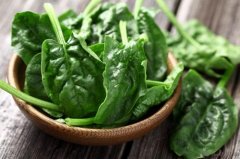
What methods are there for detecting pesticide residues in vegetables?
Pesticides are very difficult to wash off completely with water. Water-soluble pesticides in particular are absorbed by plants through the roots and enter the plant body, making them impossible to wash away; fat-soluble pesticides, on the other hand, do not dissolve in water and are hard to wash clean with water, while using fruit and vegetable cleaners carries the risk of secondary contamination from ingesting the cleaner itself.
-
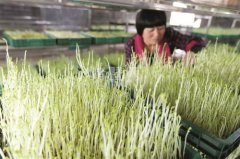
How to grow sprouts at home? A detailed guide to home growing methods
Sprouts can be grown in several ways; some are suited to water culture, while others require soil culture. First, let's talk about water-cultured sprouts. Among the sprouts suited to water culture, the most standard and most popular are alfalfa sprouts and mung bean sprouts; in addition, soybeans and black beans can also be grown without soil, as long as
-
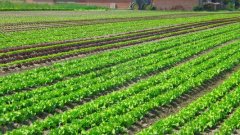
A Detailed Guide to Vegetable Growing Techniques and Practical Methods
If you are a first-time vegetable grower, it is best to grow wild vegetables. So-called wild vegetables include such plants as Madeira vine, Gynura bicolor, sweet potato leaves, ginseng herb, aloe, Taiwan angelica, and shungiku. Wild vegetables are easy to grow and high in energy, but they have a distinctive taste of their own, so insects dislike coming near them, and they can grow well without pesticides
条件筛选