Methods and Benefits of Making Organic Fertilizer from Weeds
Weed Organic Fertilizer: Weeds can also be made into organic fertilizer. Do you know how to make it?Only by farming with a longer-term vision and forming a virtuous cycle can the vitality of the earth be sustained endlessly.
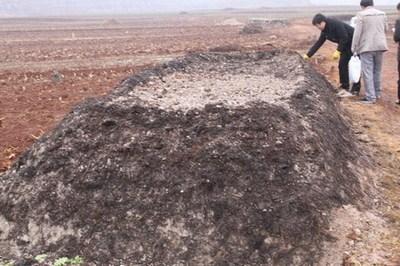
In the general view of farmers, weeds are bad, as they affect the growth of fruit trees and the harvest yield of fruit, so farmers use herbicides to remove weeds. In fact, weeds also have their benefits; for example, they can retain moisture, prevent soil erosion, and after decomposing become nutrient-rich organic fertilizer. In fact, the nutrients that weeds provide to the soil and fruit trees are far greater than the amount they take from the earth during their growth.
Carpet grass is a common weed with many varieties. Basically, its roots are shallow, and it can retain moisture, yet it will not absorb too much water and affect the growth of fruit trees. Usually it spreads horizontally and continuously, with high density and good coverage, making the soil less susceptible to erosion and loss. This kind of carpet grass can grow to about two chi high, and about four weedings are needed per year.
The grass-based cultivation method practiced in organic farming, with an inclusive attitude, gives weeds the nutrients and space they need to grow. On the surface, it seems to waste part of the land and fruit trees' resources, but when it turns into organic fertilizer and returns to the soil, the nourishment it gives to the fruit trees and soil greatly exceeds what it absorbs; and its impact on soil fertility is even more profound. Only by farming with a longer-term vision and forming a virtuous cycle can the vitality of the earth be sustained endlessly.
Grass contains free nitrogen. When the cut grass decomposes, the nitrogen in it returns to the soil, forming nutrients, enriching the soil, and also nourishing the fruit trees. In fact, the benefits outweigh the drawbacks. It is just that farmers have long held the idea that "weeds are harmful", and cutting grass takes more time and labor, while its initial effect is temporarily less obvious than spraying pesticides, so changing the farming method is not easy.