Thrips Pest Control Methods: Orius strigicollis (Anthocorid Bug) Preys on Thrips
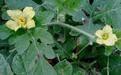
Thrips: Thrips typically suck sap from the tender tips and flowers of watermelon, causing the growing points of the watermelon to shrivel and turn black, or even become necrotic. With such significant damage, what should we do to effectively control them?
The damage caused by thrips on crops has become increasingly severe in recent years. Thrips are very small and cryptic, preferring to hide in the crevices of plants. Different species of thrips exist on flowers, vegetables, fruit trees and so on, among which the melon thrips (Thrips palmi) has the widest host range, causing serious damage to crops such as cucurbits, eggplant and green pepper. In addition to direct piercing and sucking damage, they also transmit viral diseases, causing major losses in agricultural production.
Thrips are very difficult to control. Currently, spraying chemical pesticides is the main control method, but because thrips have high innate resistance, the control effect is poor and residue problems are easily caused. There is an urgent need to research and provide effective natural enemies, mass-rear them, and release them in fields for control purposes. Orius strigicollis plays a major predatory role in agricultural ecosystems, often inhabiting high-value crops to prey on pests, and has a particularly strong suppressive effect on thrips. In the United States, it has been recorded that Orius bugs frequently appear in large numbers on corn, soybean, alfalfa, wheat, cotton, potato, tomato, apple, strawberry, apricot and walnut, among other bulk and high-value crops, preying on their major pests and harmful insects. The life cycle of Orius strigicollis is only about 20 days, its vitality is very strong, and its predation capacity cannot be ignored. It is the natural enemy with the greatest biological control potential among all predatory anthocorid bugs.
Orius strigicollis is the most common anthocorid bug in this province and can prey on small pests such as thrips, aphids and leaf-feeding insects. When reared indoors at a constant temperature of 26 degrees, nymphal development requires 14 days, with a nymphal survival rate above 70%. During development, nymphs can on average prey on 1 to 150 thrips or leaf-feeding insects. Adults live for 30 days and continue preying daily. Statistics show that over their lifetime they can prey on 238 to 306 thrips, or 508 to 632 leaf-feeding insects. All stages are highly active with a considerable appetite. During the flowering season, adults prefer to burrow between petals to prey, giving them exceptional control capacity against thrips. Mass rearing trials are currently underway, hoping to increase adult survival rate, shorten the development period, and extend adult lifespan to increase egg production and achieve the most economical breeding efficiency. Field releases will also be carried out to evaluate the actual effect on thrips. If the control results are good, mass rearing will be conducted for farmers to use.