-
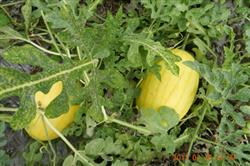
How to Achieve Full Stands and Strong Seedlings When Growing Hami Melons
Before each crop of Hami melons is planted, the soil must be disinfected to kill pathogens, insect eggs, insect bodies and harmful substances secreted by the plants themselves that remain in the soil after the previous crop. Common soil disinfection methods include gas disinfection, chemical disinfection, high-temperature disinfection and irrigation disinfection. Through practice, Hami melon planting land...
-
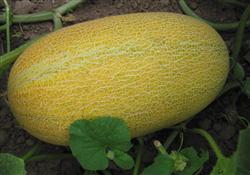
Main Disease Control Methods and Technical Key Points for Hami Melon
**The main diseases of Hami melon are Phytophthora rot and downy mildew, and powdery mildew. Bacterial leaf spot, gummy stem blight, viral disease and broomrape. The main control measures and pesticides are as follows: 1. Phytophthora rot (dead vines, wilt, rotten melons) (1) Select disease-resistant varieties (2) Use a middle furrow (15-20cm) with high beds (0....
-
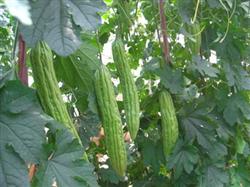
Detailed Explanation of Key Points for Bitter Melon Greenhouse Cultivation Techniques
High-yield and high-benefit cultivation techniques for bitter melon in winter-warm plastic greenhouses as protected cultivation. Select a winter-warm greenhouse with good lighting and strong insulation as the horticultural facility for off-season bitter melon cultivation. Compared with cucumber, loofah, and zucchini, bitter melon requires relatively higher light intensity and higher temperatures for growth and development, and has poorer tolerance to low temperatures and weak light. Bitter melon...
-
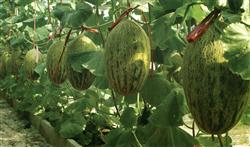
Technical Guidance for Autumn Cultivation of Hami Melon
1. Field preparation: For autumn Hami melon, the site should be chosen far from greenhouse melon fields and vegetable fields, and field cleaning, deep plowing with fertilizer application, and ditching and ridging should be completed. 2. Timely sowing and seedling raising: It is necessary to consider both avoiding disastrous weather such as high temperatures, typhoons, and rainstorms, and paying attention to the temperature requirements of Hami melon in the late stage of growth and development. Suitable...
-
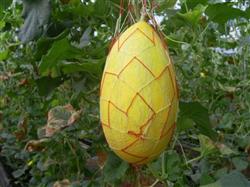
The stored-crown Hami melon is suitable for protected cultivation in the southeastern region.
I. Greenhouse production line construction 1. Greenhouse structure: This greenhouse is a 6.5m x 30m galvanized pipe arched plastic greenhouse with one longitudinal pipe and four card slots, with a height of 3.2m, a shoulder height of 2.0m, an arch spacing of 60cm, and the greenhouse legs inserted 35cm into the ground. A pressing groove is installed at each of the shoulder-height turning point of the greenhouse and at 20cm above the ground on the greenhouse legs, for use in pressing the greenhouse...
-
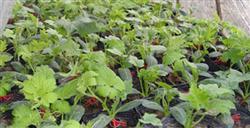
Detailed Explanation of Bitter Melon Cultivation Techniques and Seed Collection Methods
Preparation Before Sowing: 15-20 days before sowing, deep plow and turn the soil. Along with plowing, apply 3000 kg-4000 kg of decomposed barnyard manure per mu, combined with 15 kg-20 kg of ternary compound fertilizer. Sun-dry the field for 7-10 days, then seal and cover the shed for 5-7 days, using sunlight and high-temperature closed-shed treatment to fully sterilize and disinfect the soil and the greenhouse. After leveling the ground...
-
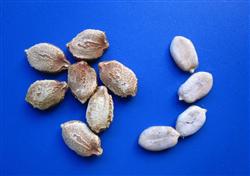
How to germinate bitter melon seeds? A few practical tips for speeding up germination
1. Prepare warm water at about 55°C and pour it into a thermos bottle or another container that can retain heat; put the bitter melon seeds in a gauze bag and rinse them clean with water, gently rubbing the seeds while washing to remove the water-resistant substance on their surface; soak the washed seeds in the prepared warm water, keep them warm for 10 minutes, stirring constantly, then add...
-
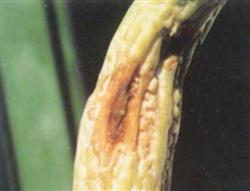
How to grow bitter melon for high quality and high yield? Detailed explanation of the key techniques
Currently, bitter melon in arched sheds has entered the peak fruiting stage. Recently, many vegetable growers who grow bitter melon have reported that brown spots the size of mung beans have appeared on the fruit of bitter melon in arched sheds. When the humidity inside the shed is high, the lesions become wet rot; in clear weather, the lesions become dry rot. Fruit on plants near both sides of the shed are more severely affected. The current cause of the bitter...
-
Why is it not advisable to apply topdressing to bitter melon along with irrigation water? An analysis of the reasons
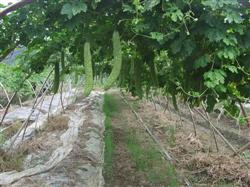
At present, the topdressing method commonly used by vegetable growers who grow bitter melon is flushing application with irrigation water. Although this is very convenient and can distribute the fertilizer evenly into the soil, it is not advisable to use this method for topdressing bitter melon. The reason is that bitter melon is planted at a relatively low density per mu, only 200-300 plants per mu, and only 3-6 plants per row. If...
-
How to Grow Bitter Melon? A Detailed Guide to Key Bitter Melon Cultivation Techniques
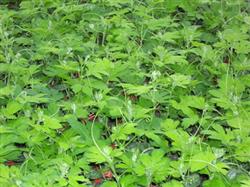
Bitter melon is a short-day plant that likes warmth, loves light, tolerates heat and moisture, and does not tolerate shade. It is not strict about day length, and longer periods of light are beneficial to its good growth. It has relatively high requirements for soil moisture and air humidity, but does not tolerate waterlogging; it has wide adaptability and can be cultivated in many types of soil across northern and southern China. In recent years, some...
条件筛选