-

How should golden pear be managed in summer to improve quality?
In recent years, golden pear has developed rapidly, and the planting area has continued to expand, but the rate of high-quality fruit is not high, mainly because there are too many deformed fruits and russeted fruits. Summer management is the key period for improving fruit quality. The main technical measures for summer management of golden pear are summarized as follows: 1. From mid-June to late August is the fruit expansion period, and golden pear has a relatively high water requirement. Under drought conditions, the pear shrinks and wrinkles during the day and absorbs water at night to replenish itself, so it can recover or grow; otherwise the fruit is small or wrinkled skin forms throughout. In late July
-
How should current rice production be managed? Technical guidance is here
At present, China's early rice production has entered the late growth stage. In southern Guangdong and Guangxi, the vast majority of early rice has entered the grain-filling stage, and a small portion has entered the maturity stage; in central Guangdong and Guangxi, heading has begun; in northern Guangdong and Guangxi, it has entered the initial heading stage to heading stage. Early rice in the middle and lower reaches of the Yangtze River has entered the milk-ripe stage and is expected to begin harvesting around July 10. Single-season rice in Northeast China is in the tillering peak stage, young panicle differentiation stage and booting stage from south to north; mid-season rice in the winter paddy field areas of Southwest China is in the booting stage, the river valley and hilly areas have begun young panicle differentiation, and the Chengdu Plain area is in the field-drying stage at the maximum tiller stage
-
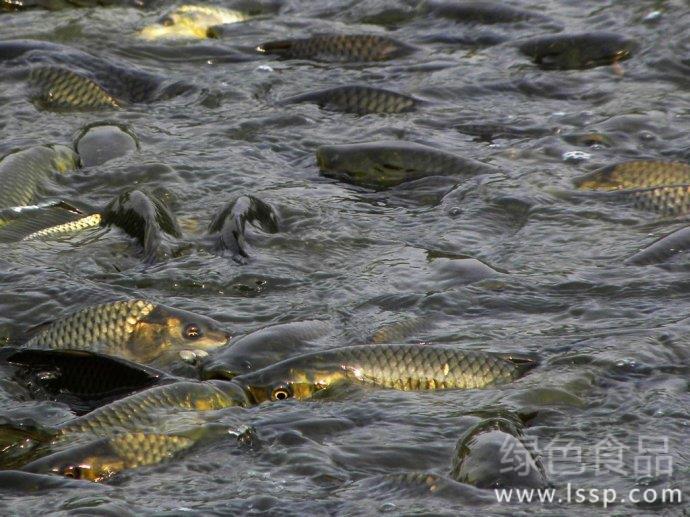
The plum rain season is a high-risk period for aquaculture. How should fish ponds be managed?
The plum rain season, a disaster season for aquaculture: how to manage fish ponds well during the plum rain season
-
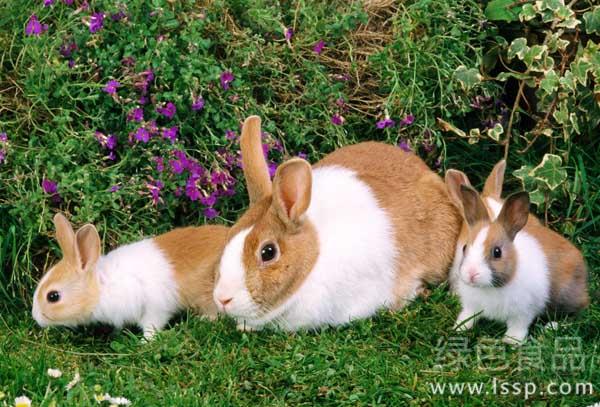
How should lactating does be managed to increase milk production?
Lactating does need increased milk production: how to manage lactating does well
-
How should cotton be managed after suffering a hail disaster?
Timely drainage to prevent waterlogging. Hail is often accompanied by violent wind and rain, which frequently causes water to accumulate in the fields; when soil moisture is too high, it easily damages cotton roots and affects the normal growth of cotton. After a hail disaster, trenches should be cleared and drainage carried out immediately to reduce humidity. Intertillage and loosening the soil. After a hail disaster, the cotton field soil becomes compacted, with low ground temperature and high humidity. All types of hail-affected cotton fields should be intertilled and loosened in a timely manner to break up compaction, raise ground temperature, promote root physiological activity, and help the cotton plants return to normal growth as quickly as possible. For severely damaged cotton fields where more than 80% of the cotton plants have bare stalks after the hail disaster, it is recommended to pull up the cotton plants and replant other crops, so as to minimize
-

How should red okra be managed during cultivation? A detailed explanation of the technical key points
How should red okra be managed during cultivation
-

How should piglets be managed? These precautions need to be mastered
Precautions when managing piglets
-
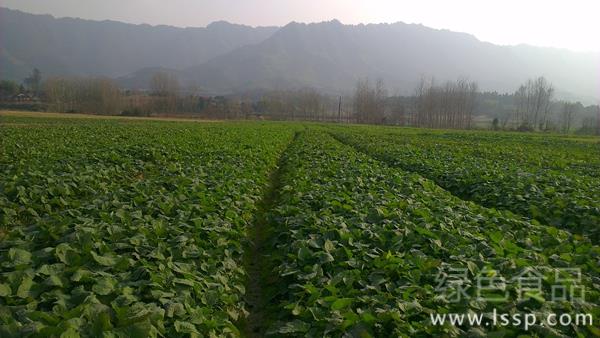
How should rapeseed be managed before winter to achieve strong seedlings and safe overwintering?
How to manage rapeseed before winter to achieve strong seedlings and safe overwintering
-
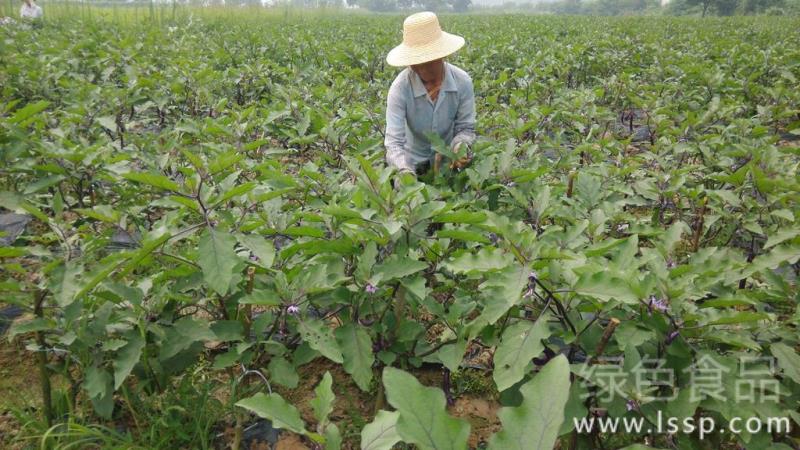
Open-field eggplants like water but cannot tolerate waterlogging. How should they be managed in summer?
Open-field eggplants like water but cannot tolerate waterlogging: how to manage eggplants well in summer
-
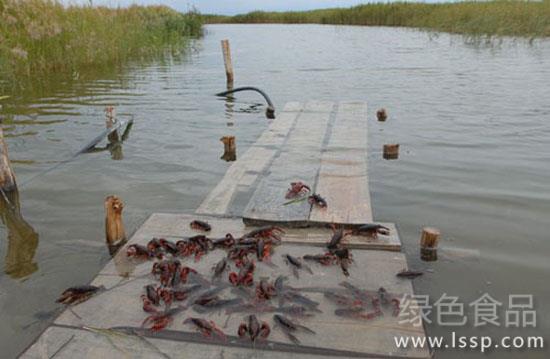
Crayfish molting affects growth: how should the molting period be managed?
Molting affects crayfish growth: how to manage crayfish during the molting period
条件筛选