The plum rain season is a high-risk period for aquaculture. How should fish ponds be managed?
For aquaculture farmers, the plum rain season is a disaster season. First, water temperatures rise, fish activity increases, metabolic intensity increases, and oxygen consumption rises accordingly; on the other hand, because of the continuous overcast and rainy weather, the photosynthesis of aquatic plants in the water body weakens, and combined with falling air pressure, the natural oxygen content of the water body drops rapidly, which easily causes discomfort in fish and affects their growth, or even causes a pond-wide fish kill and death. At the same time, because the weather is muggy and humid, bacteria and viruses breed, making explosive fish diseases likely. Therefore, fish pond management during the plum rain season is extremely important; otherwise it will create a situation of “one careless move and the whole game is lost.” To do a good job of management, attention should be paid to the following matters:
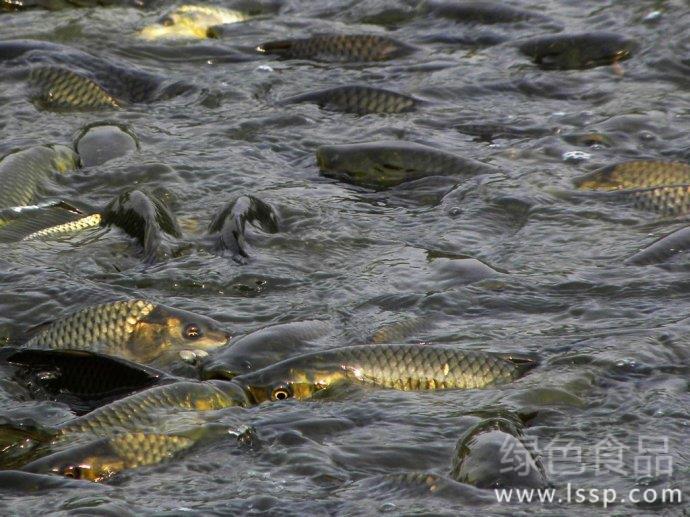
Fish pond
1. Strengthen feeding management:According to the characteristics of the fish themselves, carefully organize and feed good feed, not only so the fish eat their fill and eat well, but also promptly adjust the amount of feed according to weather changes, so as to avoid feed waste while also reducing water quality pollution;
2. Listen to weather forecasts and prevent surfacing:Listen to meteorological information, promptly grasp weather changes, and when a storm is coming and dissolved oxygen in the water body is insufficient, add fresh water; where conditions permit, turn on aerators, patrol the pond frequently, especially at night, and take timely measures when signs of surfacing are found;
3. Prevent fish diseases:Adopt the scientific method of giving priority to prevention and combining prevention with treatment. Before the plum rain season arrives, carry out thorough disinfection and sterilization of the fish pond, and at the same time feed medicated bait to improve the immunity of the fish. For diseases that occur frequently during the plum rain season, such as: print disease, bacterial gill rot disease, red skin disease, grass carp hemorrhagic disease, and some parasitic fish diseases, promptly grasp the causes, diagnose correctly, and apply the right medicine. Once dead fish are found, they must be treated by deep burial; never litter or throw them about.
4. Flood control:The plum rain season often brings heavy rain. For fish ponds in low-lying fields and thin pond embankments, precautionary measures must be taken promptly to prevent them from being washed away and collapsing; for fish ponds that receive relatively large amounts of rainfall, anti-escape facilities must also be prepared so that nothing goes wrong.