-

How are strawberries sown and raised as seedlings, and how are they planted and managed? How many jin per mu is the yield?
Strawberries originated in South America and are widely cultivated throughout China and Europe. Strawberries have high nutritional value, contain a variety of nutrients, and have health benefits. They are deeply loved by consumers. So, how are strawberries sown and raised as seedlings? How are they planted and managed? How many jin per mu is the yield? How are strawberries sown and raised as seedlings
-
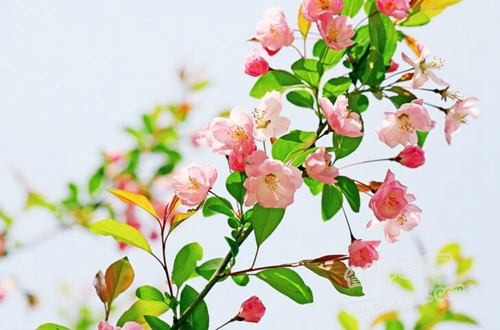
What varieties of crabapple are there and how are they cared for and managed?
Crabapple originated in our country and is widely cultivated north of the Yangtze River basin. It has a long history and is a traditional famous flower of our country. It is often planted in classical gardens, frequently forming independent scenic spots named after the flower, such as "Crabapple Spring Dock". Architectural decoration also often uses crabapple flower patterns in the design of doors, windows, courtyard walls and pathways, seen everywhere, all giving people enjoyment of beauty
-
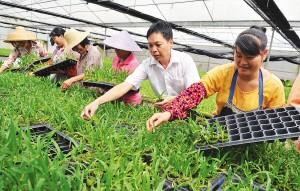
How can soil be managed in a mango orchard to turn dirt into gold?
"Turning Dirt into Gold" in the Mango Orchard
-

How to manage a fruit and vegetable greenhouse? 110 mu managed with ease
110 mu of fruit and vegetable greenhouses managed with ease
-
How Are Safe Vegetables "Managed" into Being? A Full-Course Regulatory Exposé
How Are Safe Vegetables "Managed" into Being?
-

How should peach trees be managed to achieve high yield and high quality?
High-yield and high-quality fruit tree management for peach trees
-

-
How are tulips cultivated and managed? These technical points need to be mastered
1. Preparation before planting First check whether the tulip bulbs have pests or diseases. If they are already infected or beginning to rot, they must be removed and burned. After removing diseased bulbs, soak the bulbs in a fungicidal solution for disinfection, for example, soak in a 600-fold chlorothalonil solution for 20-30 minutes. Around mid-August, cut open 3-4 tulip bulbs and observe the development of the internal nose (that is, the already differentiated flower stem). Those with a nose 3-4 mm long, ivory-colored and firm are good; whitish ones are not considered good, and flat ones are also not ideal. Choose a humus-rich
-
How should rice seedling beds be managed to cultivate strong seedlings?
I. Water management in seedling beds: For dry-raised seedlings, generally no supplemental water is needed during the seedling stage. Adhere to dry raising and dry management to improve the drought tolerance of the seedlings. At the same time, pay attention to watering well three times: water thoroughly with "bottom moisture water" before sowing, water well with "film-removal water" when removing the film, and water well with "leaf-rolling water" during drought. At the 1-2 leaf stage, control water appropriately to promote downward growth of seminal roots; at the 2-3 leaf stage, pay attention to supplemental water to prevent seedling death; after the 3-4 leaf stage, strictly control water and use dry raising to cultivate physiologically strong seedlings. To prevent excessive rainwater from making dry raising and dry management impossible, small arched sheds or greenhouses can be used to strictly control water for dry raising.
-
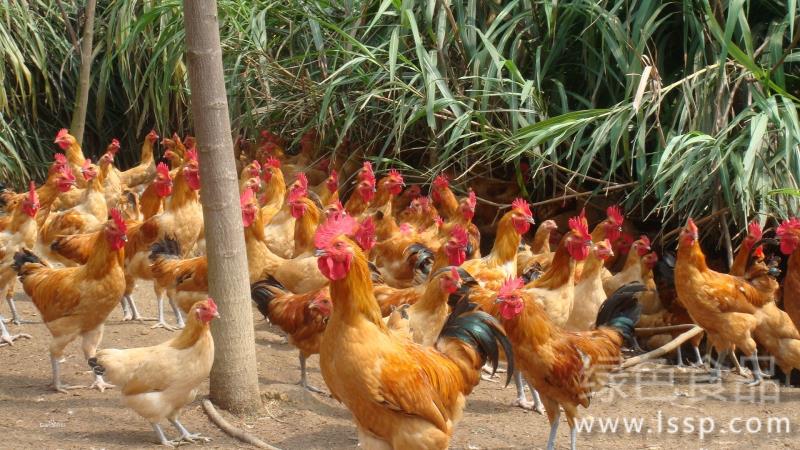
How should free-range chickens be raised and managed during the laying period to ensure the laying rate?
Key points for feeding and management of free-range chickens during the laying period to ensure the laying rate
条件筛选