-
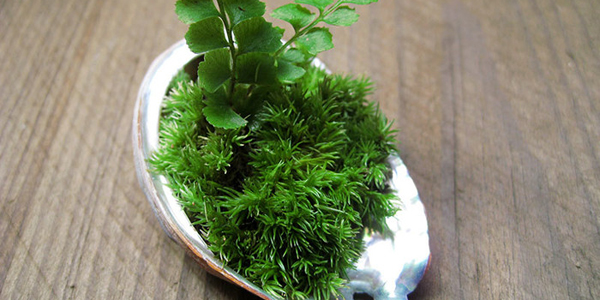
Moss Bonsai Making Methods and Moisture-Retention Techniques
Moss bonsai is also a very good type of plant bonsai. A moss bonsai that combines verdant moss with a variety of plants and containers is very attractive. But what are the methods for making such a moss bonsai? How should moisture be retained? Let's learn about it below
-
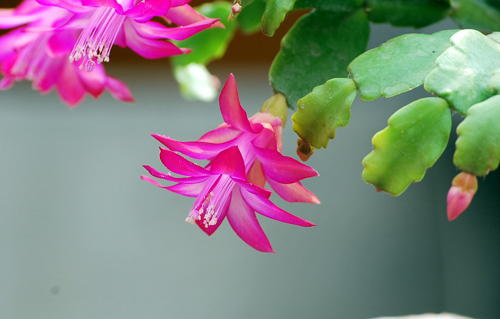
How to grow Schlumbergera, making its flowers delicate, graceful and brightly beautiful
Schlumbergera, also known as crab claw cactus, is an evergreen perennial flowering plant. It usually blooms during the winter holidays, with delicate, graceful and brightly beautiful flowers, and is especially loved and sought after by Chinese people. Let's take a look at how to grow Schlumbergera below.
-
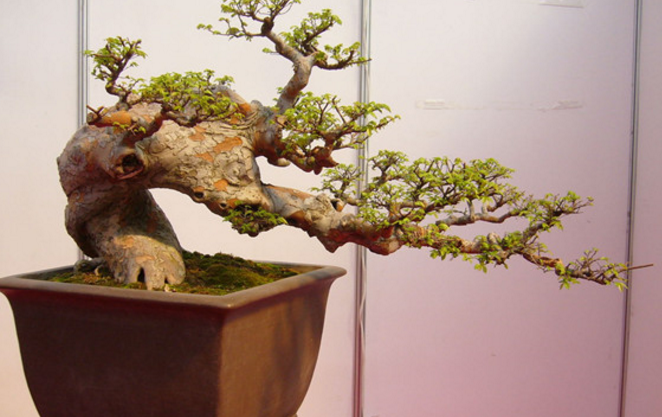
Elm Bonsai: Detailed Guide to Making Methods and Care Techniques
Although the elm is a tall tree, it can also be made into bonsai for viewing. Elms grow and are distributed in the northern regions, mostly growing in valleys, hills and other places. Elms like sunlight and do not fear cold or drought. Their root systems are very developed, so their growth vigor is extremely strong
-
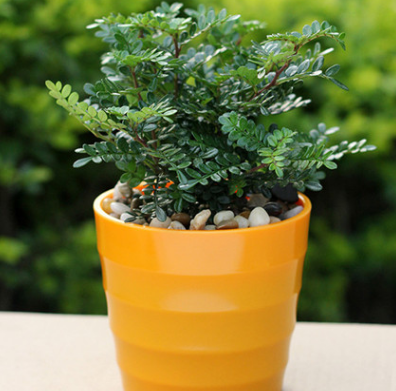
Qingxiangmu (Pistacia weinmannifolia) Bonsai: Making, Care Methods and Market Price Introduction
Qingxiangmu (Pistacia weinmannifolia) is small in appearance, and its fragrance, like its name, is fresh and pleasant. It is a woody plant with a beautiful shape and multiple benefits, often used for home decoration with a unique charm. How to make and care for a Qingxiangmu bonsai: after the Qingxiangmu plant to be trained is selected
-
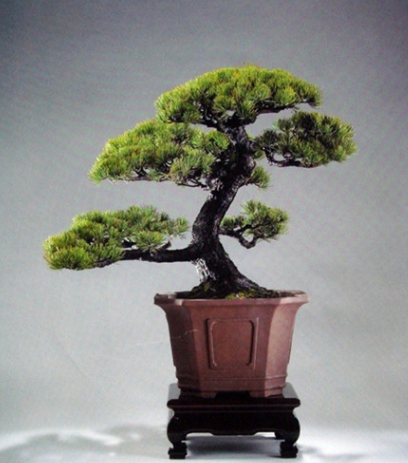
What is the method for making a small cedar bonsai and how much does it cost?
Cedar, also called tower pine, incense cedar, pagoda pine, Tibetan cypress, and Himalayan cedar. Cedar is relatively suited to growing in mild climates and is not very cold-hardy. It likes plenty of light and is fairly shade-tolerant. The soil should be well-draining and acidic. Cedar is intolerant of waterlogging and pollution.
-
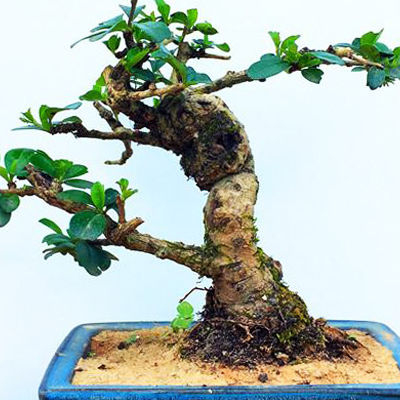
A detailed guide to making Fukien tea bonsai: does it need sun?
Fukien tea bonsai is something many people love to grow; having one at home is truly a joy. What is the method for making Fukien tea bonsai? Does Fukien tea bonsai need sun? Fukien tea bonsai making method: (1) Styling: usually done by cuttings
-
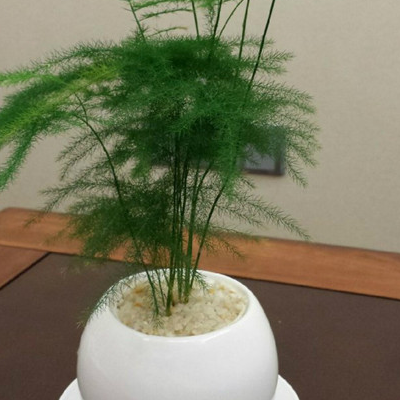
What are the methods for making an asparagus fern bonsai and how much does it cost?
Asparagus fern, a plant that many people like, can be made into a bonsai, and it is really super good-looking. What are the methods for making an asparagus fern bonsai? How much does an asparagus fern bonsai cost: Methods for making an asparagus fern bonsai: (1) Prepare the bonsai materials. Generally choose well-grown
-
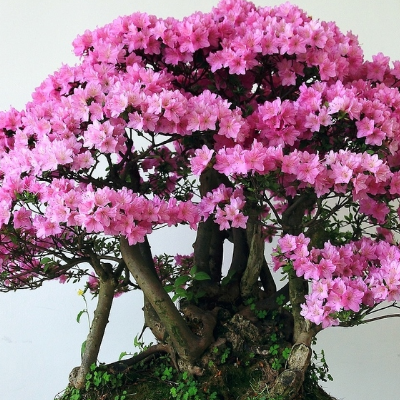
Detailed Explanation of Indoor Bonsai Making Methods and Placement Feng Shui
Indoor bonsai is something many people grow, and shaped plants are just that beautiful. What are the making methods for indoor bonsai? What is the placement feng shui for indoor bonsai: Indoor bonsai making methods: (1) Prepare the evergreen plants, fish tank, stones and soil needed for planting
-

A Complete Guide to the Techniques for Making Goubuli Baozi
"Goubuli" baozi is highly renowned in Tianjin and has a history of over a hundred years. Legend has it that the baozi was named after the childhood nickname "Goubuli" of Gao Guiyou, the owner of the Dejuhao baozi shop in Tianjin and its creator. "Goubuli" baozi is made by mixing minced pork with ginger, soy sauce, broth, sesame oil, monosodium glutamate, pork rib soup and other ingredients to form the filling, wrapping it in dough wrappers and then steaming. The finished baozi must keep their shape, not fall apart at the bottom, not leak oil, and each one takes on a chrysanthemum shape. Its characteristics are carefully selected ingredients, thin wrapper and generous filling, a rich and savory taste, tender and palatable, and fatty without being greasy. In 1956
-
A detailed guide to making Boiled Fish with Vermicelli - numbing, spicy, fragrant, and perfect with rice
Stewing is also a form of boiling, just for a longer time, so I classify this as a stewed dish too. Eating this seems quite popular now, so I make it as well; if I didn't, it would look like I don't know how. Slice the fish, add a little salt, pepper, and cooking wine, and mix gently, because the fish is tender and you don't want it to break. Then add a little egg liquid, a little starch and oil, and stir evenly - this is what's called velveting. Put a little oil in the wok, add the three brothers and doubanjiang and stir-fry until fragrant, add water or meat broth, and once the water boils, add the greens and vermicelli and cook until done, then scoop them out
条件筛选