Moss Bonsai Making Methods and Moisture-Retention Techniques
Moss bonsai is also a very good type of plant bonsai. A moss bonsai that combines verdant moss with a variety of plants and containers is very attractive. But what are the methods for making such a moss bonsai? How should moisture be retained? Let's learn about it below.
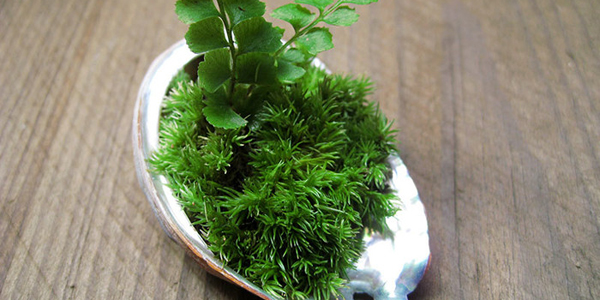
Moss bonsai making methods:
1. Quick moss-growing method
The method is fairly simple. First soak all the prepared bonsai rocks in clean water for a period of time, then evenly sprinkle taro or potato powder over the soaked rocks and potting soil, and finally cover the watered rocks and potting soil with well-grown damp weeds. Spray water every day, and after about a week the weeds will grow bright green moss.
2. Moss inoculation method
This method is a little more complicated. First choose a few pieces of loess, grind them fine and add water to make a paste. Put naturally collected moss from the wild into the mud and stir evenly, then dip a brush in a small amount and spread it evenly over the soaked rocks and potting soil. Water every day, and after several days the moss will grow out. Natural moss can also be sun-dried, ground into powder, mixed with water, and then applied.
3. Natural moss-growing method
Natural moss-growing actually means letting the rocks and potting soil grow moss naturally, rather than adding moss artificially. The method is still quite simple: put the rocks from the bonsai into a water basin, water them with rice-washing water and vegetable-washing water at fixed times every day to keep the rocks moist, and place the rocks in a shaded indoor spot. After two days, moss will grow on the rocks, very quickly.
4. Pot-surface moss-growing method
A moss bonsai still needs a bit of ornamental quality. When making it, the moss can be made more refined. You can lay a sheet of plastic film flat in a damp indoor place without sunlight, put the original moss collected from nature on the film, water it every day, keep it moist, and fertilize after the moss sprouts. After about half a month it can be covered on the potting soil. Carefully tended moss is even more verdant. #p#Subtitle#e#
How to retain moisture in a moss bonsai:
1. Light: Compared with other bonsai, a moss bonsai is a very unique bonsai because moss plants prefer cool and shady environments. Moreover, in places with plenty of sunlight, moss loses moisture quickly. Therefore, in order to better keep a moss bonsai moist, it needs to be placed in a cool, ventilated indoor spot, with less sun exposure, especially avoiding the midday sun.
2. Watering: If moss is to grow for a long time, its water requirements are very high. After all, it is a water-loving plant. In daily cultivation, the moss must always be kept moist. In addition to the necessary watering every day, you can also spray water on the moss and the surrounding rocks to maintain the humidity of the bonsai. In this way the bonsai retains moisture better, and the moss can also grow more luxuriantly.
3. Temperature: Moss is relatively sensitive to temperature. If the temperature is too high, the plant does not grow easily. Usually a temperature of around the teens to the twenties in Celsius is already enough. In summer, when the temperature is high, it needs cooling; in winter, when the temperature is low, attention should be paid to keeping it warm.
A moss bonsai is really a very good bonsai, and compared with other bonsai, the biggest key to cultivating this kind of bonsai is paying attention to moisture and a cool, shady environment, so it is very easy to grow. Everyone can give it a try.
Moss bonsai making methods, how to retain moisture in a moss bonsai
When moss is mentioned, many friends say they are unhappy, because its impression in people's minds is not very good, and therefore very little is known about things like moss bonsai. In fact, moss bonsai is also a very good type of plant bonsai. Modern people have many ideas and are full of creativity, and a moss bonsai that combines verdant moss with a variety of plants and containers is very attractive. But what are the methods for making such a moss bonsai, and how should a moss bonsai retain moisture?
Moss bonsai making methods
1. Quick moss-growing method
The method is fairly simple. First soak all the prepared bonsai rocks in clean water for a period of time, then evenly sprinkle taro or potato powder over the soaked rocks and potting soil, and finally cover the watered rocks and potting soil with well-grown damp weeds. Spray water every day, and after about a week the weeds will grow bright green moss.
2. Moss inoculation method
This method is a little more complicated. First choose a few pieces of loess, grind them fine and add water to make a paste. Put naturally collected moss from the wild into the mud and stir evenly, then dip a brush in a small amount and spread it evenly over the soaked rocks and potting soil. Water every day, and after several days the moss will grow out. Natural moss can also be sun-dried, ground into powder, mixed with water, and then applied.
3. Natural moss-growing method
Natural moss-growing actually means letting the rocks and potting soil grow moss naturally, rather than adding moss artificially. The method is still quite simple: put the rocks from the bonsai into a water basin, water them with rice-washing water and vegetable-washing water at fixed times every day to keep the rocks moist, and place the rocks in a shaded indoor spot. After two days, moss will grow on the rocks, very quickly.
4. Pot-surface moss-growing method
A moss bonsai still needs a bit of ornamental quality. When making it, the moss can be made more refined. You can lay a sheet of plastic film flat in a damp indoor place without sunlight, put the original moss collected from nature on the film, water it every day, keep it moist, and fertilize after the moss sprouts. After about half a month it can be covered on the potting soil. Carefully tended moss is even more verdant.
How to retain moisture in a moss bonsai
1. Light:Compared with other bonsai, a moss bonsai is a very unique bonsai because moss plants prefer cool and shady environments. Moreover, in places with plenty of sunlight, moss loses moisture quickly. Therefore, in order to better keep a moss bonsai moist, it needs to be placed in a cool, ventilated indoor spot, with less sun exposure, especially avoiding the midday sun.
2. Watering:If moss is to grow for a long time, its water requirements are very high. After all, it is a water-loving plant. In daily cultivation, the moss must always be kept moist. In addition to the necessary watering every day, you can also spray water on the moss and the surrounding rocks to maintain the humidity of the bonsai. In this way the bonsai retains moisture better, and the moss can also grow more luxuriantly.
3. Temperature:Moss is relatively sensitive to temperature. If the temperature is too high, the plant does not grow easily. Usually a temperature of around the teens to the twenties in Celsius is already enough. In summer, when the temperature is high, it needs cooling; in winter, when the temperature is low, attention should be paid to keeping it warm.
Summary: A moss bonsai is really a very good bonsai, and compared with other bonsai, the biggest key to cultivating this kind of bonsai is paying attention to moisture and a cool, shady environment, so it is very easy to grow. Everyone can give it a try.
Steps for making a moss bonsai (illustrated)
[Common Questions] Steps for making a moss bonsai (illustrated)
[Expert Answer]
● Steps for making a moss bonsai
Image: Collecting moss
1. Collecting moss
There are many kinds of moss suitable for decorating bonsai. The most important thing is that the moss filaments should not be too long. There are also many ways to obtain moss. Some friends buy it online, and you can also look for suitable planting material on damp, shady ground, stones, or tree trunks in the mountains and wilds. When collecting moss, use a small shovel or trowel to lift it from below. There should be a thin layer of soil under the moss. Take only as much as you need each time; there is no need to dig too much at once.
Image: Drilling a drainage hole
2. Drilling a drainage hole
Use a porcelain drill bit to drill a drainage hole in the center of the dish, and add enough water to cover the bottom of the dish to prevent dust during drilling and to cool the drill bit. Drill in at a 45-degree angle to create a groove as an entry point, and steady the drill bit. Slowly lift the drill bit, rinse the dish with water, and continue drilling. Repeat this process until the hole is drilled.
Image: Adding substrate
3. Adding substrate
Line the bottom of the dish with a layer of garden landscape fabric to prevent small stones and potting soil from clogging the drainage hole, and add a thin layer of small pebbles to help with drainage.
Image: Filling the dish
4. Filling the dish
Fill with well-draining potting soil, not higher than the rim of the dish. To construct the main framework of the bonsai, here we used a stone and a black-stemmed spleenwort, using a spoon to dig holes and plant the vascular plants. Lay moss and lichen on the potting soil and press them firm. The order for adding design elements is from largest to smallest.
Image: Trimming the moss
5. Trimming the moss
Cut a piece of moss slightly larger than the area to be covered, and carefully trim it with pliers to a size slightly larger than needed, so that the edges of the moss can be tucked in.
Image: Tucking in the moss
6. Tucking in the moss
You can use any handy tool to tuck in the moss. Here we used a bamboo skewer, then used small tweezers or medical forceps to remove leaf debris. The mosses used in the end included Brachythecium moss, Dicranum moss, reindeer moss, and black-stemmed spleenwort.
Image: Firm adhesion
7. Firm adhesion
The moss should adhere tightly around the bonsai centered on the potting soil. Water the finished moss bonsai thoroughly, and press down so that the mosses come into close contact with one another.
Image: Future management
8. Future management
To improve the moss's adhesion, carry out high-intensity irrigation for two months, watering once a week, and misting with water between each watering. Afterward, adjust the watering frequency according to rainfall conditions and the season. After this period, decide whether watering is needed by touching the moss; if it feels very cool, that means it is moist.
Place the finished bonsai moss in the shade of a courtyard tree or in a cool, ventilated spot at home. Afterward, spray water once every 1-2 days with a spray bottle to keep the moss moist, and slowly the moss will establish itself.
● Moss bonsai making methods
1. Quick moss-growing method. Soak the prepared bonsai rocks in water for several days, then evenly sprinkle taro or potato powder on the rocks or potting soil, cover with damp weeds and place in a damp spot, spray water every day, and in about a week moss can grow.
2. Moss inoculation method. Choose a few pieces of loess, grind them fine and add water to make a paste. Put natural moss into the mud and stir evenly, then use a small brush to spread it evenly on rocks or soil surfaces that have been soaked by water and rain. Spray water often, and after several days the moss will appear. You can also take fresh moss collected, remove impurities, sun-dry it, grind it into powder, mix it evenly with water or thin rice-washing water, apply it to the places on the bonsai where it is needed, move the pot to a cool, damp place, keep it moist, and moss can then grow.
3. Natural moss-growing method. Put the prepared rocks into a water basin, often water them with rice-washing water and vegetable-washing water, keep them moist, and place them in a spot where they can see the sky but not the sun. Water-absorbing stones are even better.
4. Pot-surface moss-growing method. For the moss used on the pot surface of a tree bonsai, you can lay a sheet of plastic film flat in a damp spot that sees the sky but not the sun, beat the original moss into a slurry and spread it evenly on the film, keep it moist, and after the sprouts emerge spray once with dilute fertilizer water; after 15 days it can be used as needed. Stick mud slurry onto the root surface of the moss tray, the potting soil should be moist, also brush on mud slurry, and then attach it.
[Editor's Summary]
Moss is a spore plant that lives in dark, damp places and is also a common material for retaining moisture in bonsai. Moss bonsai is often made to make the bonsai more beautiful and increase its ornamental value. The editor of First Agricultural Economics has introduced to you in this article the making methods and steps of moss bonsai, and hopes it will be helpful to you.