-
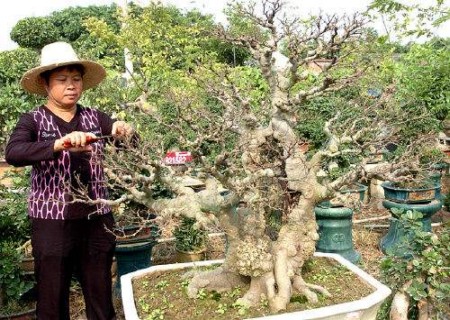
How to make a Chinese hackberry bonsai? A detailed explanation of the methods and steps
The Chinese hackberry (Celtis sinensis) has strong sprouting ability and roots easily; old stumps are mostly dug from the wild. In southern regions, harvesting is mostly chosen for February and March, when temperatures rise and humidity increases, so the dug stumps are less likely to dry out and are easier to keep alive. When digging, choose stumps that are old, have good tree form, short trunks and naturally transitioning curved trunks.
-
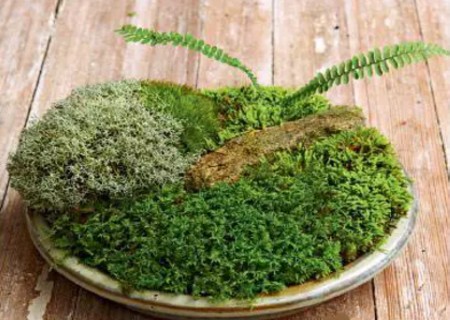
How to Make a Moss Bonsai? A Step-by-Step Guide to the Method
Mosses prefer dark, damp environments and generally grow on bare rock faces, or in humid forests and swamps, with remarkably tenacious vitality. Moss is a top-grade base material for making bonsai. Mosses are among the most primitive plants: they have no flowers, no seeds, and reproduce by spores. Their structure is simple
-
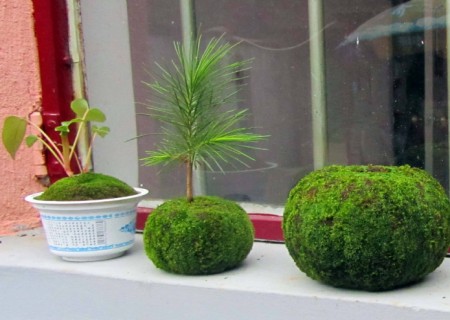
How to make a kokedama moss ball bonsai yourself? DIY method illustrated
Kokedama, fresh and elegant, evergreen all year round, more ornamental than succulents. Currently, it is very popular in Europe, America, Japan and South Korea. Kokedama is both a plant and a planting method, an ancient Japanese art evolved from bonsai, originating in the Japanese Edo period, and is a type of Japanese-style bonsai
-
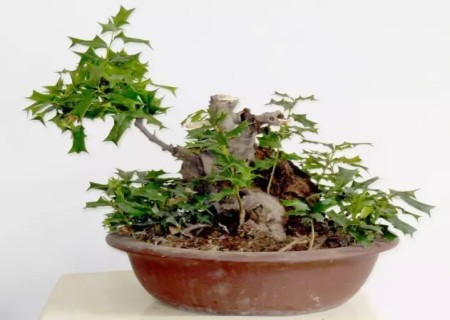
How to make a horned holly (Ilex cornuta) bonsai? Detailed method explained
Horned holly, also known as Chinese holly (Ilex cornuta) or "bird's no-roost," belongs to the Aquifoliaceae family. Its single leaves are alternate, hard and leathery, with spiny teeth along the edges, and it stays green all year round. It likes light and tolerates slight shade, is not hardy against severe cold, grows slowly, has a well-developed root system, strong sprouting ability, tolerates pruning, is dioecious, and bears spherical drupes that are bright red and gorgeous in autumn and winter
-
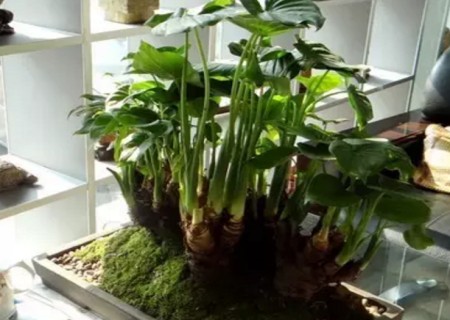
How to make a Dieffenbachia (Alocasia) bonsai? Detailed method tutorial shared
Dieffenbachia, also known as Tianyu, Guanyin Lotus, Gupo Yu, etc., is a large evergreen herbaceous plant of the genus Alocasia in the Araceae family, originally from the primitive forests of Southeast Asia and Australia, and also found in South China and Lanyu, Taiwan, China and other places. In northern China it needs to overwinter indoors, while in the south it can grow in the open ground. Its corms and leaves can be used medicinally but are highly toxic
-
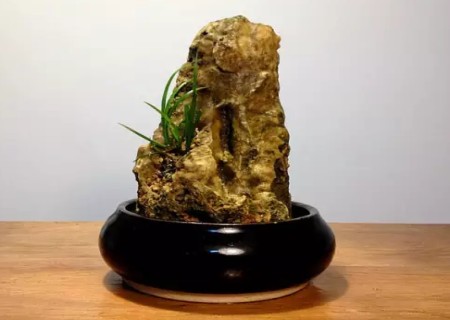
How to Make a Stone Acorus Bonsai, Easy for Beginners to Learn
The elegant sweet flag grass, especially the coin acorus and the tiger-whisker acorus, has a small and lovely plant form, condensing the feel of the countryside into the palm of your hand. Acorus stays green in all four seasons, as green as jade, plain and natural, with a wild and fresh fragrance that refreshes the heart. It is loved not only by literati and refined scholars of past dynasties, but also by ordinary people today who love acorus. The Seven Customs of Jiangnan: playing the guqin
-
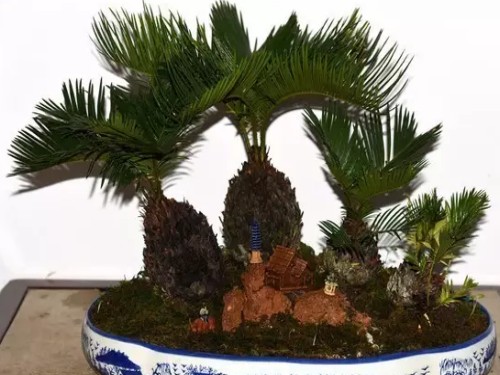
How to make a sago palm bonsai, easy enough for beginners to learn
The sago palm is properly named Cycas revoluta, also known as iron-armored pine, phoenix-tail banana and so on. It is an evergreen small tree of the genus Cycas in the family Cycadaceae, and a precious ancient relict plant. The main type cultivated in China is the Cycas revoluta native to the mountains of Fujian. In recent years, Cycas panzhihuaensis from Panzhihua, Sichuan, Cycas siamensis from Yunnan and others have also been introduced and cultivated in various places. The sago palm has a graceful form
-
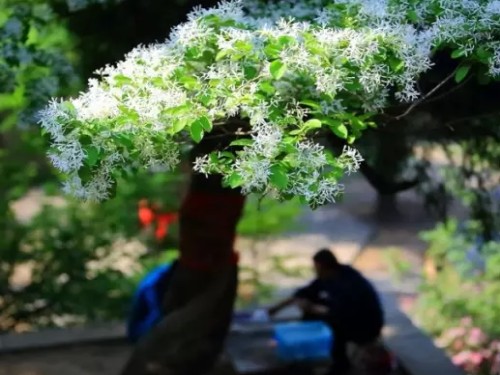
How to make a fringetree-grafted osmanthus bonsai
Fringetree, also known as April snow or shredded radish flower, blooms in early summer every year, with the whole tree covered in white flowers, as if covered with frost and snow. The fringetree flower is pure white and flawless, like a fairy who does not eat the food of the mortal world, transcendent and beyond the dust. The flower shape is elegant, like the tassels on the clothing of ancient ladies, hence the name, extremely beautiful, both graceful and holy
-
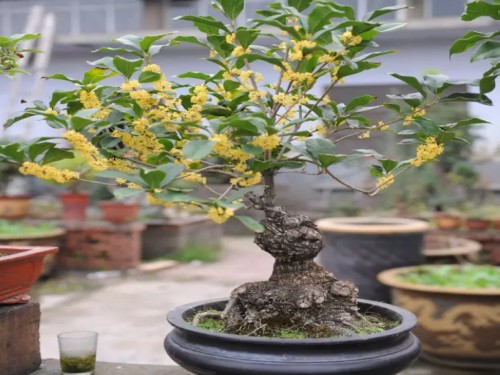
How do you make a bonsai by grafting sweet osmanthus onto Chinese ash?
Sweet osmanthus has dense branches and lush leaves, stays evergreen all year round, has gnarled roots and an elegant posture, bright flowers and fruit, and a rich fragrance; it also combines biological traits such as strong sprouting ability, tolerance of pruning, and a long lifespan, making it an excellent tree species for making tree bonsai. The process of making sweet osmanthus bonsai is intricate, learning from nature, and wonderfully subtle.
-
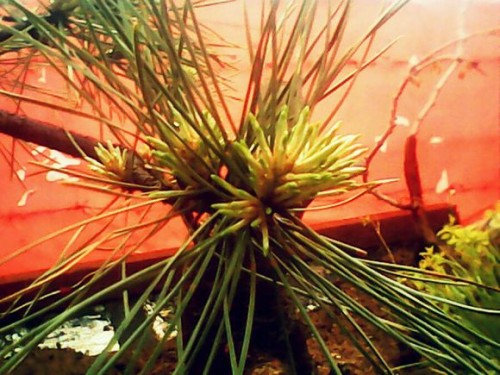
How to make a Chinese pine bonsai? Detailed production method shared
The Chinese pine is tall and vigorous, evergreen all year round, long-lived, and unafraid of wind, snow and severe cold. People regard it as a symbol of unyielding integrity and longevity. Its forms are endlessly varied, becoming more fantastic with age, making it an ideal material for bonsai. After the Chinese pine is planted, water it twice within one week; afterwards you may loosen the soil and preserve moisture, and water once more in early May
条件筛选