What are the key points of scientific fertilization techniques for yam?
Yam, also known as Chinese yam, is a perennial twining herb of the Dioscoreaceae family, using its tuberous root for medicinal purposes. It is mainly produced in the three provinces of Henan, Shanxi, and Shaanxi, and is also cultivated in Jilin, Liaoning, Shandong, and other places. The tuberous root of yam contains saponins, mannan, phytic acid, allantoin, choline, dopamine, arginine, amylase, protein, fat, starch...
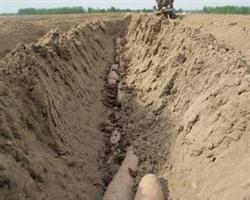 During the seedling stage and vine-running stage, yam mainly grows leaves and stems, so fertilizer should be mainly nitrogen. After budding, it enters the vigorous growth period, the underground tuber begins to expand, and the fertilizer requirement is relatively large. This is the key period for fertilization, and nitrogen, phosphorus, and potassium should be applied in combination. 1. Base fertilizer. Select a good plot, and before plowing, apply 2000---4000 kg of decomposed farmyard manure and 60---80 kg of ternary compound fertilizer per mu as base fertilizer, then plow the soil 30 cm deep and harrow it fine. 2. Topdressing. At the seedling stage, mainly nitrogen fertilizer, apply 10---15 kg of high-nitrogen-potassium compound fertilizer per mu. In early July, apply 20---25 kg of high-nitrogen-potassium compound fertilizer per mu, and spray 0.25% potassium dihydrogen phosphate once. Starting from late July, spray 0.25% potassium dihydrogen phosphate 2---3 times. In early August, apply 20----30 kg of nitrogen-phosphorus-potassium compound fertilizer per mu.