-

What is Crassula 'Pagoda Village'? A brief introduction to this Crassula succulent
Crassula 'Pagoda Village' is a perennial succulent herbaceous plant, also known as a succulent plant. The dwarf plant grows in clusters, only 5-8 cm tall, growing upright, and sometimes also creeping. Its leaf shape and color are quite beautiful, giving it a certain ornamental value. As a potted plant, it can be placed next to a TV or computer, where it can absorb radiation, and it can also be planted indoors to absorb formal
-
Introduction to the Cactus (Ball Cactus) of the Cactaceae Family
The ball cactus belongs to the Cactaceae family and has many varieties. It originates from desert environments, prefers a hot and dry growing climate, and is a perennial succulent herbaceous plant. The entire ball cactus plant is highly ornamental, and it is an artistic masterpiece among hydroponic flowers. The ball cactus has the ability to absorb electromagnetic radiation, is also a natural air purifier, and also has the property of adsorbing dust
-
Is the Chinese rose a woody plant? A detailed look at the Chinese rose's plant classification
The Chinese rose comes in a rich variety of cultivars, with common ones including groundcover roses, climbing roses, edible roses and cut-flower roses; one of its places of origin is China, and it has become the city flower of Tianjin and Beijing.
-
Introduction to Portulacaria afra 'Foliis variegatis': a plant classified under other families and genera
Portulacaria afra 'Foliis variegatis', also known as the variegated elephant bush, is a variegated cultivar. Native to South Africa, it prefers a sunny, warm and dry environment. Its leaf shape and leaf color are relatively beautiful, with a certain ornamental value; potted plants can be placed next to televisions and computers, can absorb radiation, and can also be planted indoors to absorb formaldehyde and other substances, purifying the air.
-
In plant classification, the String of Hearts belongs to a different family and genus
The String of Hearts is a succulent plant of the genus Ceropegia in the family Apocynaceae, also known as a succulence plant. Its leaf shape and color are quite attractive for ornamental viewing. It can also be placed indoors as a potted plant to purify the air and absorb radiation. It is a household succulent plant much loved by everyone.
-
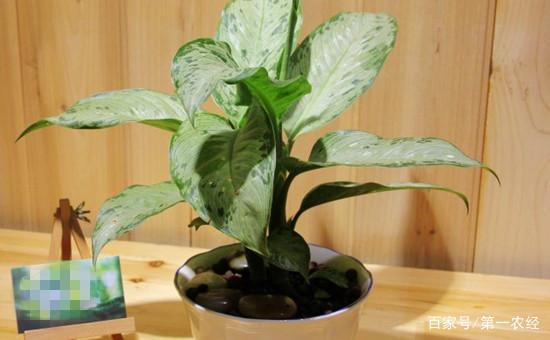
Keep these potted plants at home for natural air purification and good health
Nowadays, more and more friends like to keep some potted plants at home, such as ivy, pothos, spider plants, etc. They can not only green up the home environment, but also purify the air. These potted plants in particular can be called "...
-
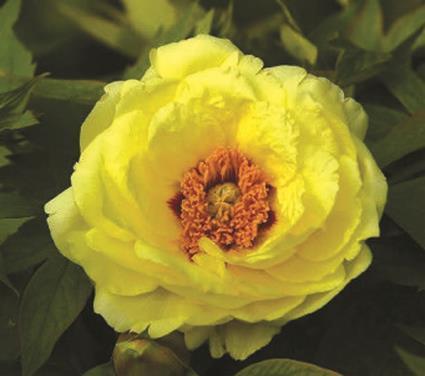
Detailed Explanation of the Classification Methods for Ornamental Peony Cultivars
What are the classifications of ornamental peony cultivars? Peony flowers are brilliantly colored and magnificent, and have long enjoyed the reputation of "king of flowers." At the same time, because peony flowers are large and fragrant, they are also known as "national beauty and heavenly fragrance." China currently has thousands of peony cultivars...
-
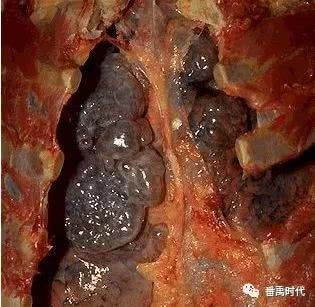
A Comprehensive Analysis of the Classification and Staging of COPD
COPD is the abbreviation of chronic obstructive pulmonary disease, and people generally tend to associate it with chronic bronchitis, or conflate the two. In fact, COPD has two major series: one is the chronic bronchitis series, and the other is the emphysema series, because...
-
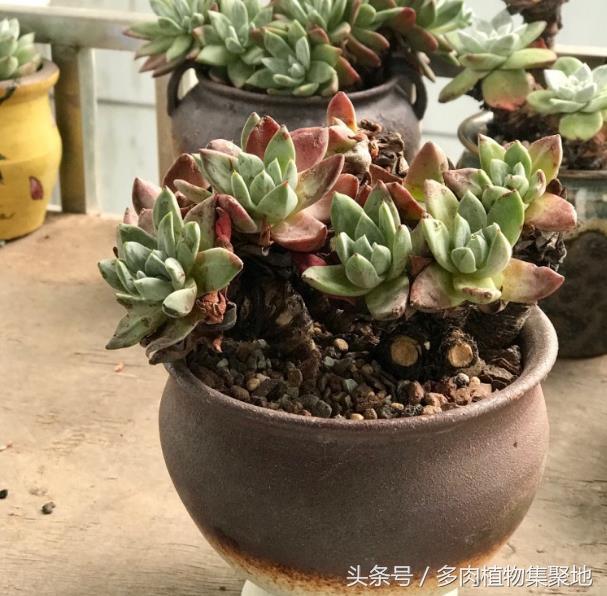
Don't Panic About Succulent Lignification - Prune This Way for Healthy, Beautiful Succulents
Most succulents have thick, fleshy, juicy leaves, but as for their roots: many Sedum-type plants have fine, dense fibrous roots, unlike Haworthia, which has thick, solid roots. In order to support the increasingly heavy upper body as the plant keeps growing, the succulent...
-
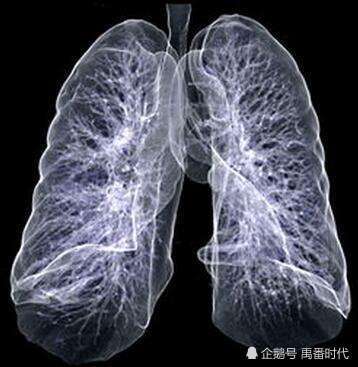
A Complete Analysis of Respiratory Disease Conditions and Classification
Respiratory disease is the short name for diseases of the respiratory system, starting from the nose in the upper respiratory tract and extending to the bronchi and alveoli in the lower respiratory tract. Externally, respiratory diseases connect the head, neck and chest. In terms of how they occur, respiratory diseases are...
条件筛选