A Comprehensive Analysis of the Classification and Staging of COPD
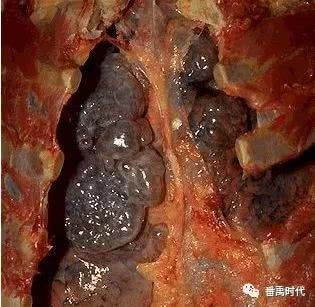
COPD is the abbreviation of chronic obstructive pulmonary disease, and people generally tend to associate it with chronic bronchitis, or conflate the two. In fact, COPD has two major series: one is the chronic bronchitis series, and the other is the emphysema series, because both involve airway obstruction. But more precisely, these two major series often resemble different periods in the development of COPD. However, the different periods of these two major series are not fixed and have an unpredictable variability.
That is to say, chronic bronchitis can evolve into emphysema, and then a coexistence phenomenon appears, meaning the symptoms of both diseases exist at the same time. And after emphysema develops, it can also easily progress to chronic bronchitis; although the probability is very low, that does not mean it does not exist. After these two diseases combine with each other, they all converge by different paths into the later stage of COPD development. So the two categories, that is, the two series of COPD, represent an alternation in symptoms and pulmonary function characteristics.
The primary disease of chronic bronchitis is bronchiolitis, that is, it starts with obstruction, narrowing, and collapse of the small airways, producing obstructive ventilation impairment and forming bronchitis. When the obstruction becomes severe, a major blockage forms and emphysema occurs, entering the later stage of COPD. In some cases, other lung diseases such as pulmonary tuberculosis develop into emphysema, and later form widespread chronic obstructive bronchitis, becoming another form of COPD.
The staging theory refers to the acute exacerbation phase and the stable phase. Throughout the entire course of COPD development, regardless of whether the primary disease is chronic bronchitis or emphysema, or even after they later combine and enter the later stage of COPD development, there will be multiple alternations between acute exacerbation phases and stable phases at different stages. In terms of symptoms, it also begins with milder cough and sputum production, progresses to the exacerbation phase with shortness of breath and wheezing, and can also involve critical phases such as respiratory failure, coughing up blood, and coma.