Keep these potted plants at home for natural air purification and good health
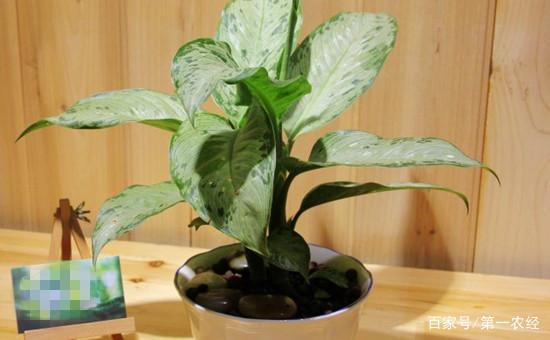
Nowadays, more and more friends like to keep some potted plants at home, such as ivy, pothos, spider plants, etc. They can not only green up the home environment, but also purify the air. These potted plants in particular can be called "air purifiers," and placing one at home is sure to be a good choice, purifying the air and protecting health. So below, we will introduce the care methods for these potted plants. Friends who love flowers and plants should not miss it!
1. Aglaonema 'Silver Queen'
Aglaonema 'Silver Queen' has beautiful leaf color, is especially shade-tolerant, and has a unique air-purifying ability. It can effectively absorb formaldehyde and nicotine in the air, making it most suitable for rooms that have just been renovated or furnished with new furniture. If someone in the home smokes, a pot of Aglaonema 'Silver Queen' can also be placed to protect family members from the harm of secondhand smoke. The higher the concentration of pollutants in the air, the more it can exert its purifying ability! In the care of Aglaonema 'Silver Queen', it is toxic. After the stem breaks, it secretes a transparent liquid that is extremely spicy, hotter than yellow lantern chili, and the effect is long-lasting. When planting it at home, be sure to prevent children from breaking the stems and leaves to play with and lick. During the peak growth seasons of spring and autumn, Aglaonema 'Silver Queen' needs sufficient watering, and the potting soil should often remain moist. Also frequently spray the branches and leaves with clean water close to room temperature to prevent dry tips, but do not let water accumulate.
2. Cactus ball
Cactus ball releases carbon dioxide during the day, while at night it absorbs carbon dioxide and releases oxygen. In this way, placing a cactus ball indoors allows it to absorb carbon dioxide at night while releasing a large amount of oxygen, which is beneficial for sleep. In addition, cactus ball can also absorb dust. Placing one indoors can purify the air. When spring temperatures stabilize above 10°C, repot it. Cut off dead roots and broken roots. After cutting off old roots, let it dry for 4-5 days before planting. The planting depth should preferably have the root neck level with the soil surface. In hot summer temperatures, it should be placed in a semi-shaded spot or on a balcony with morning and evening light for cultivation. When the temperature is above 38°C, cactus ball enters dormancy, the potting soil should remain on the dry side, and no fertilizer should be applied. In autumn, it should be placed in a spot with sufficient light for cultivation, keeping the potting soil moist. When the weather gradually turns cooler, gradually reduce the amount of watering so the potting soil stays on the dry side, and stop fertilizing.
3. Ivy
It is understood that in a room of about 10 sq m, ivy can eliminate 70% of benzene, 50% of formaldehyde, and 24% of trichloroethylene. Since harmful gases such as formaldehyde in newly renovated houses are continuously released, after renovation, keep ventilation up and raise several pots of green plants such as ivy. Generally, after a new house is left vacant for three to six months, it can basically meet the standard for moving in. In the care of ivy, during the growing season, watering should follow the principle of watering when dry and letting it dry out between waterings; do not let the potting soil become overly moist, otherwise it easily causes root rot and leaf drop. In winter, when room temperature is low, watering should especially be controlled, and keeping the potting soil slightly moist is enough.
4. Aloe
Potted aloe has the reputation of being an air purification expert. One pot of aloe is equal to nine biological air cleaners, and can absorb harmful substances such as formaldehyde, carbon dioxide, sulfur dioxide, and carbon monoxide. It is especially strong at absorbing formaldehyde. Under 4 hours of light, one pot of aloe can eliminate 90% of the formaldehyde in one sq m of air. In the care of aloe, aloe is called "the plant that won't die of drought," so not watering or watering less generally has little effect, but if water accumulates in the soil, it will cause root rot and drowning. In winter, water once every 15 to 20 days, appropriately increase leaf surface spraying, water as little as possible, and keep the potting soil dry. In spring, generally water once every 5 to 7 days. The watering principle is not to water when dry, and when watering, water thoroughly. In summer, water once every 2 to 3 days, and also be careful to reduce exposure to scorching sun to reduce water loss. In autumn, the watering method for aloe is basically similar to spring, and at the same time the potting soil should be allowed to alternate between dry and wet.