What to Do About Drought in Sesame? Detailed Explanation of the Harm and Preventive Measures
Sesame is one of the important oil and grain crops in China and is grown in all parts of the country, but various problems often occur during cultivation, seriously affecting farmers' planting returns. Today, the editor explains drought in sesame for you and summarizes in detail the harm, diagnosis and preventive measures of drought in sesame. Let's take a look.
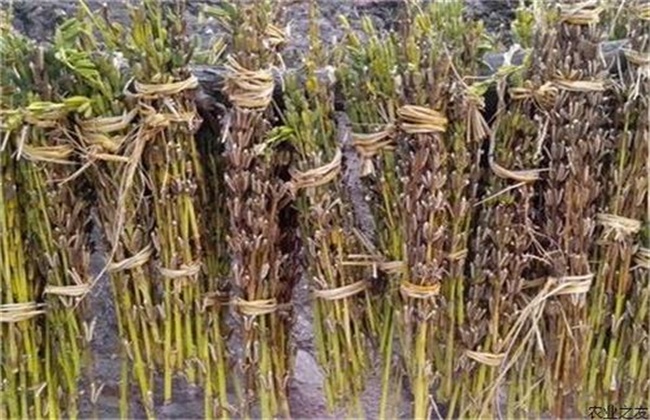
1. Harm of drought
When drought occurs in sesame at the sowing stage, it can cause the seeds to fail to emerge; even if they emerge, it can cause problems such as uneven emergence or poor growth at the seedling stage. If continuous drought occurs during the growth period, it often causes slow growth and development of sesame, wilting, yellowing and shedding of leaves, and premature aging of leaves in the later stage, causing great harm. Drought at the flowering stage causes reduced flowering and capsule formation, shedding of flower buds, short plants, reduced yield and decreased quality, etc. Generally, drought can reduce yield by 10%-30%. Note that in severe drought, yield reduction can reach more than 50%.
2. Diagnosis
When the soil moisture is below 50% of field capacity or the soil water content is below 16%, the plants will show temporary wilting, and at this time timely irrigation is needed. The degree of leaf wilting varies with the duration of the drought. When there is a long drought without rain and there are no good irrigation conditions, the climate and the duration of drought damage should be recorded well. At the same time, from 1 to 3 p.m., investigate the percentage of wilted plants and the percentage of plants that recover after the drought condition is relieved, and record them according to the degree of plant wilting in three grades: strong, medium and weak.
3. Preventive measures
First, establish and improve a sound farmland water conservancy guarantee system that can achieve irrigation during drought, drainage during waterlogging and lowering of water tables during waterlogging, and develop water-saving irrigation techniques such as drip irrigation or sprinkler irrigation according to local actual conditions. When planting, choose varieties with strong drought tolerance. Generally, single-stem varieties have stronger drought tolerance than branching varieties, and those with fewer trichomes have stronger drought tolerance than those with more trichomes. Sesame avoids continuous cropping, so land selection also requires attention. It is best to choose plots with good fertilizer and water conditions where sesame has not been planted for more than three years. In areas where drought occurs frequently and lasts for a long time, land preparation measures such as autumn plowing to form ridges and spring harrowing and pressing can be adopted, and sowing should be done at the right time and with suitable soil moisture to reduce the impact of drought. When cultivating seedlings, strengthen management at the seedling stage, thin seedlings in time and cultivate strong seedlings. In field cultivation, once signs of drought are found, carry out shallow intertillage early, add anti-drought coverings such as straw and plastic film between rows, and reduce water evaporation.
The above is an introduction to the harm caused by drought in sesame and preventive measures. We hope it can help you. To learn more related knowledge, please keep following us.