Detailed Explanation of the Harm and Control Methods of Asparagus Pests and Diseases
In recent years, the asparagus planting area has been continuously expanding, and the degree of damage from its diseases has also increased accordingly, causing considerable losses to the vast number of asparagus growers. The main asparagus diseases include: stem blight, root rot, brown spot, damping-off, and tip blight. The common diseases in the growth process of asparagus and their control measures are introduced as follows: 1. ...
In recent years, the asparagus planting area has been continuously expanding, and the degree of damage from its diseases has also increased accordingly, causing considerable losses to the vast number of asparagus growers. The main asparagus diseases include: stem blight, root rot, brown spot, damping-off, and tip blight. The common diseases in the growth process of asparagus and their control measures are introduced as follows:
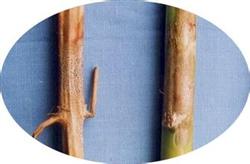
1. Stem blight: The affected parts are mainly the stems and branches. In the early stage, it appears on the main stem, mostly at 50 cm from the ground, as small water-soaked, discolored spots, which then become pale green to grayish brown and expand to form spindle-shaped or strip-shaped lesions. The edges of the lesions are reddish brown, and the center is slightly sunken and grayish brown. Later, the lesions can continue to expand, forming large lesions with reddish brown edges and grayish white centers, densely covered with needle-tip-like black dots, namely pycnidia. The lesions can penetrate deep into the pith, and once they encircle the stem, the upper part of the stem loses water and dies.
Control methods: Adopt comprehensive measures, reduce the source of inoculum, and carry out prevention in advance, that is, give priority to chemicals, use integrated control, prevent disease before it appears, and increase both yield and income.
1. Covering the field with plastic film or rice straw can prevent disease transmission by rain splash.
2. Properly control plant vigor; do not allow excessive lush growth.
3. Cleaning. Thoroughly removing and burning diseased plant residues is an important step in reducing the source of infection and controlling the disease.
4. Increase potassium fertilizer application. Apply 20-40 kg of potassium fertilizer per mu; the disease control effect is 19.88%-44.55%. 5. Apply more organic fertilizer. According to the fertilizer requirements of asparagus, the ratio of nitrogen fertilizer, phosphate fertilizer, and potassium fertilizer should be 10:7:9; apply 5200 kg of organic fertilizer each year, and pay attention to intertillage and weeding, drought resistance, and drainage.
2. Root rot: Root rot invades the fleshy roots, causing the soft tissue and central cylinder of the roots to rot, leaving only the epidermis. The surface is purplish red, and in severe cases it is covered by mycelium, resembling purple velvet. After infection, the stems grow short and small, and the stems and branches turn yellow until the whole plant dies.
Control methods: Land that was previously orchard or forest land should not be used for planting asparagus within 3 years, because rotting tree roots often become a breeding ground for pathogens. Strengthen fertilizer and water management, apply more organic fertilizer, and promote robust growth, which can significantly enhance disease resistance. Diseased plants should be dug out promptly, and the soil should be disinfected with 20% lime water.
3. Brown spot: It mainly occurs on the stems, branches, and cladodes of seedlings and young plants shortly after planting, causing mother stems to die and cladodes to turn yellow and fall off. At the early stage of the disease, many purplish brown small spots appear. The lesions gradually expand, the center turns gray, and the edges have purplish brown concentric rings. The grayish white part of the lesions is densely covered with black pycnidia, and when humid, white powdery spores are released. Many lesions on the stems expand and merge, becoming large oval spots.
Control methods: Refer to the methods for controlling stem blight. While controlling stem blight, brown spot is also well controlled.
4. Damping-off: It mainly harms seedlings and young plants. The pathogen mostly infects the stem base and roots of seedlings from the surface soil, and the affected parts ooze and turn dark brown.
Control methods: Land whose previous crop was cotton, potato, or other crops susceptible to this disease should not be used as a seedling bed. Before sowing, irrigate enough base water, and do not irrigate or irrigate less within 20 days after the seedlings emerge. In the early stage of the disease, drench the roots with a 2000-fold dilution of 45% Shenaning, which can sterilize and protect the seedlings.
5. Tip blight: It forms small spots on cladodes, branches, and stems. Under humid conditions, black mold-like growth appears on the surface of the lesions. The lesions formed on tender stems are lighter in color, diseased cladodes fall off early, and tender tips die. When humid, the dead tender tips show dark brown rotting symptoms.
Control methods: Mainly adopt chemical control. Using Shuangjisheng or mancozeb and Bidelili has a good control effect. Agricultural control mainly involves doing a good job of cleaning in winter and spring. Do not plant onions and garlic in or near asparagus fields.
In short, the occurrence of asparagus pests and diseases is affected by many factors. Only by formulating reasonable cultivation measures and achieving timely prevention can the occurrence and harm of pests and diseases be effectively reduced, and high yield, high quality, and high efficiency of asparagus be achieved.